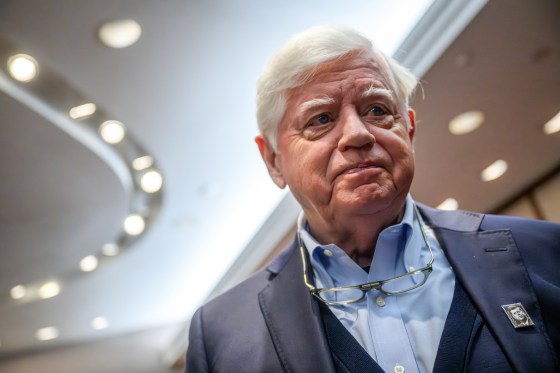
The recent primary election results highlight a significant shift in voter sentiment. One key example is the defeat of long-serving Democratic Representative John Larson in Connecticut. His loss marks the tenth incumbent in the House to lose a primary this electoral cycle. This number is notably high and reflects growing dissatisfaction with current party leadership.
Among Democratic voters, there is a strong push to transition to a new, more progressive wave of leadership. Voters are increasingly vocal about wanting their leaders to adopt new ideas and represent emerging priorities.
Meanwhile, the Republican Party continues to navigate its identity following the influence of President Donald Trump’s leadership. The party is adapting around a structure shaped by Trump’s policies and image, which remains a potent force within the GOP.
These shifts highlight the evolving nature of American politics, where both major parties are grappling with internal and external pressures to change. As primaries unfold, they serve as critical indicators of these broader political trends and voter expectations.
 New Jersey Voter Fraud Prompts Renewed Push for SAVE Act
  Concerns Over Changes to Voter-Registration Form for Americans Abroad
  Trump’s 2024 Campaign Targets Young Men Through Cryptocurrency
  Trump’s White House Visitor Center Proposal Gains Bipartisan Support
  State Department Simplifies Passport Process with Online Applications
 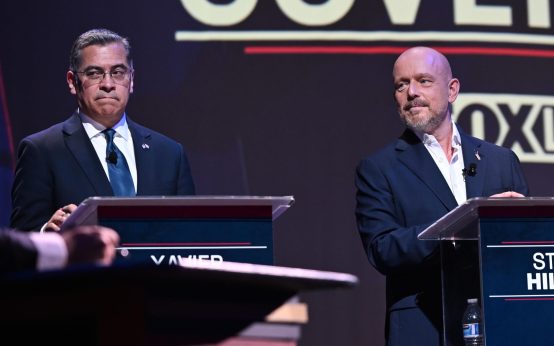 Becerra and Hilton Clash in California Gubernatorial Debate