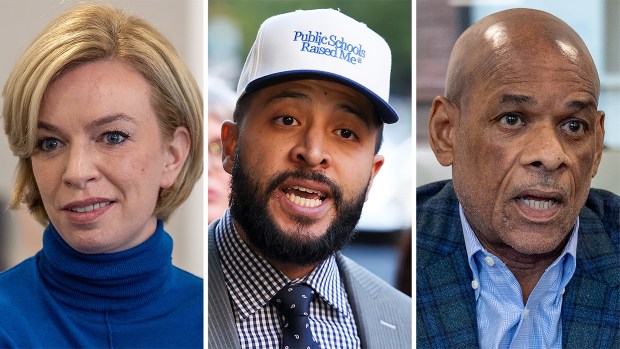
Days before Chicago’s significant school board election, over 40 candidates intensify their efforts by canvassing neighborhoods, distributing flyers, and establishing a presence at voting sites. For the first time in years, all 21 seats on the Chicago Board of Education will be filled by election, moving away from decades of mayoral oversight.
This landmark election sees significant advertising, substantial fundraising, and numerous local forums. With such efforts, candidate recognition among voters varies greatly, though enthusiasm remains high. “It’s about going door to door and meeting the neighbors,” remarked Anthony Hargrove, a candidate for District 5B, who faces incumbent Michilla Blaise, supported by the Chicago Teachers Union (CTU).
The Chicago Board of Education governs Chicago Public Schools, the nation’s third-largest district. It manages a $10 billion budget and oversees 304,000 students. The board’s responsibilities include approving policies related to contracts, taxes, and potential school closures. The president of the board is crucial in setting agendas and collaborating with district leadership on key policies. Current discussions focus on the district’s debt, student performance, and state funding.
The election has given rise to two main factions: those affiliated with the progressive CTU and its partner, Mayor Brandon Johnson, and candidates backed by pro-school-choice groups who oppose CTU’s influence. While most of the existing board members share CTU’s positions, CTU has only endorsed candidates in 15 districts this election, partly due to five uncontested races. Consequently, securing an 11-member majority could prove challenging. Increased financial support from super PACs, such as the Common Ground Collective and the Illinois Network of Charter Schools, has contributed over $4.6 million against CTU-endorsed candidates.
The race for board president is fiercely contested, with Jessica Biggs, Hilario Dominguez, and Victor Henderson vying for the single citywide seat. This race has attracted nearly $8.7 million in funding. Noteworthy contributors include Michael Sacks, who supports Biggs, while Dominguez has benefited from substantial backing from CTU. Henderson has self-funded much of his campaign, accruing $737,000.
In district-level competitions, long-term member Che “Rhymefest” Smith stands as the sole printed candidate in District 10A but faces a CTU-backed write-in opponent, Tameka Walton. Walton’s grassroots efforts include widespread canvassing and engaging communities to boost recognition and voter turnout.
Voter awareness and engagement in the election process have increased. According to a poll by the Chicago Public Education Fund, 77% of voters recognize the significance of the school board election, a rise from 59% in May. However, only about one-third of surveyed voters can identify their current board representative.
On the North Side, Kyna Lenhof, competing in District 2B, highlights the growing public interest in school-related issues. For many candidates like her, this election represents their first political endeavor. “Most of us are learning as we go, and it’s energizing to see the community respond,” she shared. Her opponent, Debby Pope, a retiree and CTU endorsee, focuses on engaging voters at polling locations, drawing on her long-standing residency in the area.
 Department of Education Investigates Teacher Programs for Discrimination
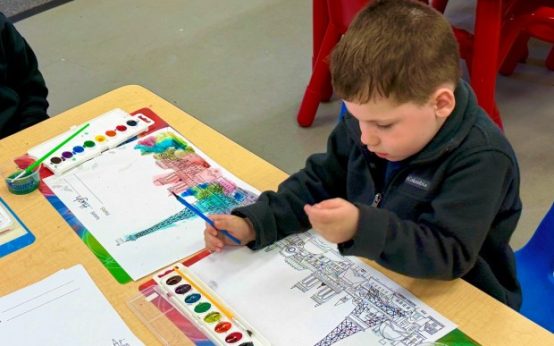 Immersion in French Culture at Ascension Catholic School
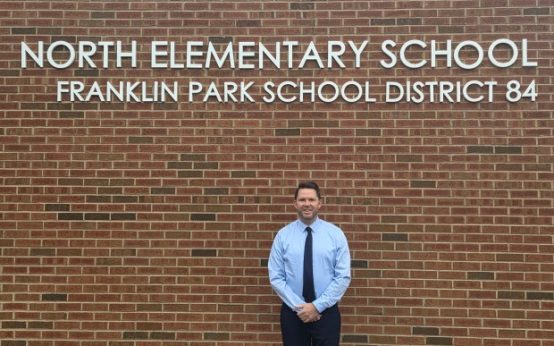 Franklin Park School District Prepares Leadership Transition
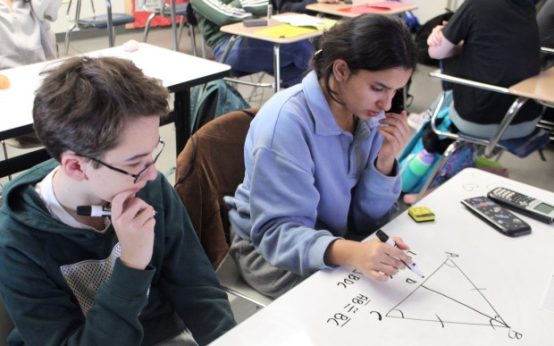 Orland High School District 230 Achieves Exemplary Status
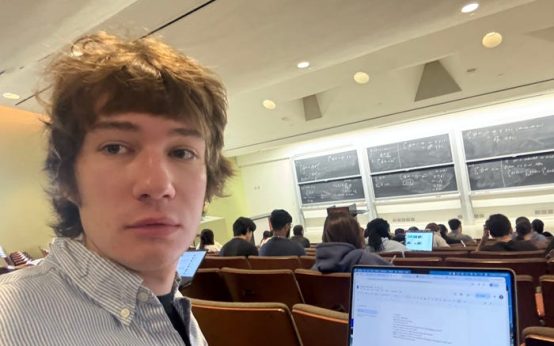 AI’s Impact on Math Education at Caltech
 NPR Student Podcast Challenge Returns for Ninth Year