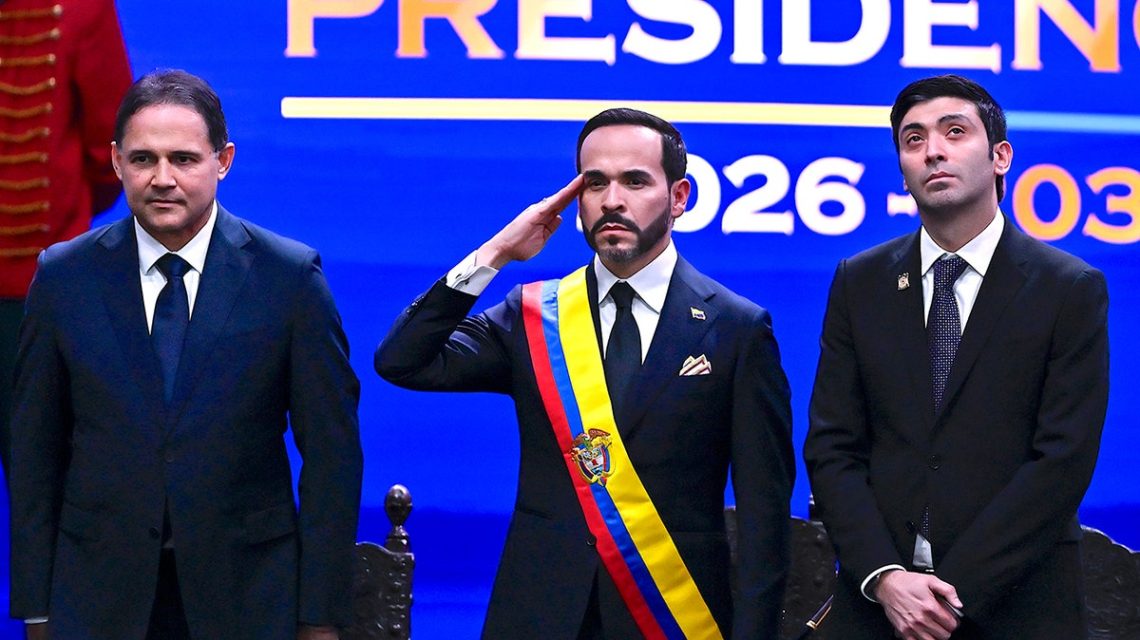
Colombia has experienced a significant political shift as conservative President Abelardo de la Espriella took office, aiming to overhaul former President Gustavo Petro’s leftist policies. Known by the nickname ‘El Tigre,’ De la Espriella’s inauguration represents a major change in Latin American politics.
After four years under President Petro’s leadership, characterized by his ‘Total Peace’ strategy, Colombia now faces challenges like expanded coca cultivation and strained U.S. relations. De la Espriella’s task is to turn campaign promises into effective governance.
“I have come to close a long chapter of national resignation and, together with the people, embark on the most profound transformation of our destiny,” said De la Espriella at the Pichincha Battalion military base in Cali.
He outlined his plans to restore order and freedom while emphasizing Colombia’s important role as a close U.S. security partner in South America. The country remains a significant trading ally, affected by regional migration, crime, and drug trafficking.
The new president aims to strengthen ties with the U.S., rebuild cooperation with Israel, and take a firmer stance against the regimes in Venezuela, Cuba, and Nicaragua. The fulfillment of these commitments will depend heavily on resource availability, which is currently limited.
Camilo Guzmán from Libertank highlighted the financial struggles facing De la Espriella. “President de la Espriella inherits a house with the roof leaking and the safe empty. Almost everything he promised requires money he does not have,” Guzmán noted, pointing to fiscal challenges.
Colombia’s fiscal deficit is projected around 6.5–6.7% of GDP for 2026, with a financing gap close to $34 billion. The administration needs to address these issues and manage operational expenses wisely.
Security remains another critical challenge. Violence has increased, and organized crime has grown in influence. “Security is rebuilt in years, not in quarters. Expect operations, captures, and significant actions in the first 100 days, but not yet structural changes,” Guzmán commented.
Passing legislative reforms requires negotiation within Colombia’s fragmented Congress. Despite winning the presidency, De la Espriella’s party holds just five Senate seats, necessitating collaborations with other political groups.
Guzmán believes the success of De la Espriella’s administration will depend on establishing credibility and assembling an effective governing team. “The first 100 days will produce signals, not results,” he remarked.
Observers will watch if De la Espriella revisits Petro’s negotiations with guerilla groups, resumes aerial fumigation of coca, boosts cooperation with the U.S., revitalizes diplomatic relations with Israel, and introduces a fiscally responsible plan. These steps will indicate whether his administration can fulfill its promises or must adjust its ambitious agenda to align with Colombia’s current realities.
 British Police Arrest Man Suspected of Terror Plot
  Activists Push for Nationwide Ban on Child Marriage in the U.S.
  Investigation into Alleged Incident at Cornell University
  Rising Drone Threats Highlight Vulnerabilities in Moldova’s Airspace Defense
  Bolivia Faces Security Test Amid Unrest
  Incident on FlyDubai Flight Raises Security Concerns