
The Department of Commerce has announced its plan to allocate over $870 million in federal incentives for semiconductor manufacturing. In exchange, they will acquire a minority equity stake in seven companies. This move aims to enhance the return for U.S. taxpayers.
Federal Funding Under the CHIPS and Science Act
The National Institute of Standards and Technology (NIST) revealed that the Commerce’s CHIPS Research and Development Office has signed letters of intent providing $874 million in funding to these companies. This funding is part of the CHIPS and Science Act initiative.
These funds will support research and development in crucial technologies such as advanced integrated photonics, computing architectures, and memory systems for artificial intelligence.
Distribution of Funds
GlobalFoundries, a notable semiconductor manufacturer, will receive up to $300 million. Kepler, which works on AI memory and logic technologies, is set to get up to $245 million. Multibeam Corp. will receive up to $140 million for its semiconductor equipment manufacturing. The remaining funds will go to Extropic, Thintronics, Obsidia Semiconductors, and Aeluma Inc.
Commerce Secretary Howard Lutnick stated these investments will strengthen America’s domestic capabilities, create high-paying jobs, and ensure the U.S. remains a leader in the semiconductor industry.
Tech Sector Impacts
The Hill’s Technology newsletter highlights key policy impacts on the tech sector:
- Elon Musk’s super PAC, America PAC, plans to spend $100 million to $120 million backing Republicans in eight states for the 2026 midterms.
- Recent surveys show Gen Z’s dissatisfaction with the current political climate and desire for significant governmental changes.
- Delta and United Airlines have banned humanoid and animal robots on flights due to safety concerns.
- Digital currency remains a focus, with bipartisan senators proposing new ethics language for the Clarity Act to the White House.
AI Concerns
Recent surveys indicate a growing belief that artificial intelligence causes more harm than good. A Bentley University-Gallup survey shows an increase in this sentiment amid worries about AI’s long-term impact.
 State Department Simplifies Passport Process with Online Applications
  Senate Democrats Block Data Center Bill Over Efficiency Concerns
  Future Cities: Ambitious Projects Aiming for Innovation and Sustainability
 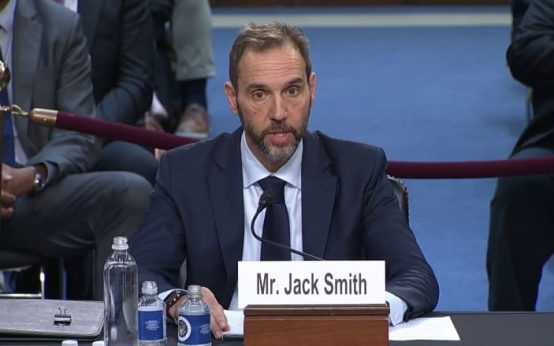 High-Profile Hearing and AI Developments: Key Political Moves
 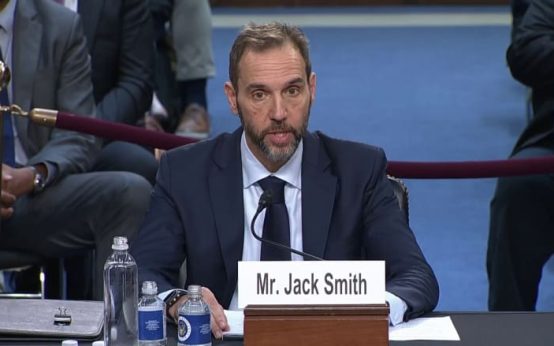 Key Events in Today’s Discussions Involving Jack Smith and President Trump
 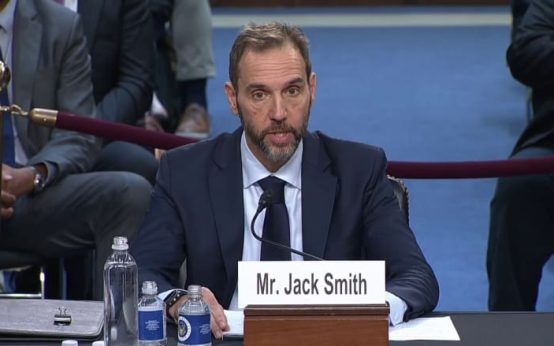 Jack Smith Faces Scrutiny Amid Investigations into Trump