
Since 2000, the Trafficking in Persons Report has played a crucial role in the global fight against human trafficking. It highlights successes and identifies areas needing improvement while offering recommendations for progress. Beginning in 2010, even the United States was evaluated by the same criteria. However, the 2026 edition marked a significant regression.
This year’s report, released three months late, arrived amidst a reduced State Department trafficking office, now a quarter of its original size. The report removed nearly 2,000 prioritized recommendations for 188 countries. These recommendations previously acted as a guide for actions and progress measurement.
The 2026 report reduced the previous year’s content by almost 40%. It omitted details about extraterritorial child sexual exploitation, male sex trafficking, LGBTQ+ victims, NGOs, and trafficking survivors. The report also evaluates U.S. efforts. This year, the U.S. section is one-third the length and lacks recommendations. Crucial findings from NGOs and survivors are missing and the Epstein case is entirely absent.
The report praises increased immigration enforcement as a U.S. achievement, but experts argue these measures threaten trafficking survivors. The previous report discussed deportation concerns, canceled legal services for unaccompanied children, and rising T-visa processing times. These worries were neglected in the current report.
Funding for victim services fell dramatically—from $82.3 million to $18.9 million, a 77% reduction. Youth trafficking prevention education funding also declined, but the report does not elaborate on the impacts.
There is progress, like rising federal trafficking convictions and the enactment of the Trafficking Survivors Relief Act. But the report’s silence on victim service cuts misses a full evaluation.
Protect All Children from Trafficking recommended prevention education, transportation sector involvement, recognizing boys’ vulnerabilities, real survivor leadership, and honest immigration policy reflection. These suggestions were largely ignored in the report, despite minor mentions like Florida’s HB 1237.
Next year, rebuilding the Trafficking in Persons Office is critical. Prioritized recommendations should return. Robust diplomatic backing and foreign-assistance policies are needed. Congressional oversight can ensure reports maintain vital, evidence-based evaluations. Funding restoration for victim services and education must occur, along with provisions for legal representation for minors. A lack of stringent assessments only aids exploitation.
 In-Flight Altercation on Qatar Airways Leads to Police and FBI Response
 Virginia Residents Sue Over Alleged Immigration Violations
 Updates on Key International and Domestic Events
 Pope Leo XIV Completes South American Tour with Farewell Mass in Peru
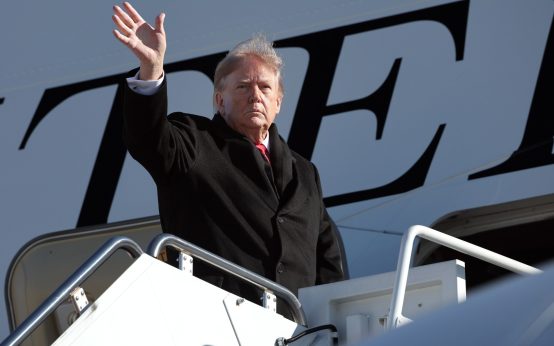 President Trump’s Critical Asia Trip: Key Meetings and Implications
 U.S. Plans to Restrict AI Chip Exports Before Trump-Xi Meeting