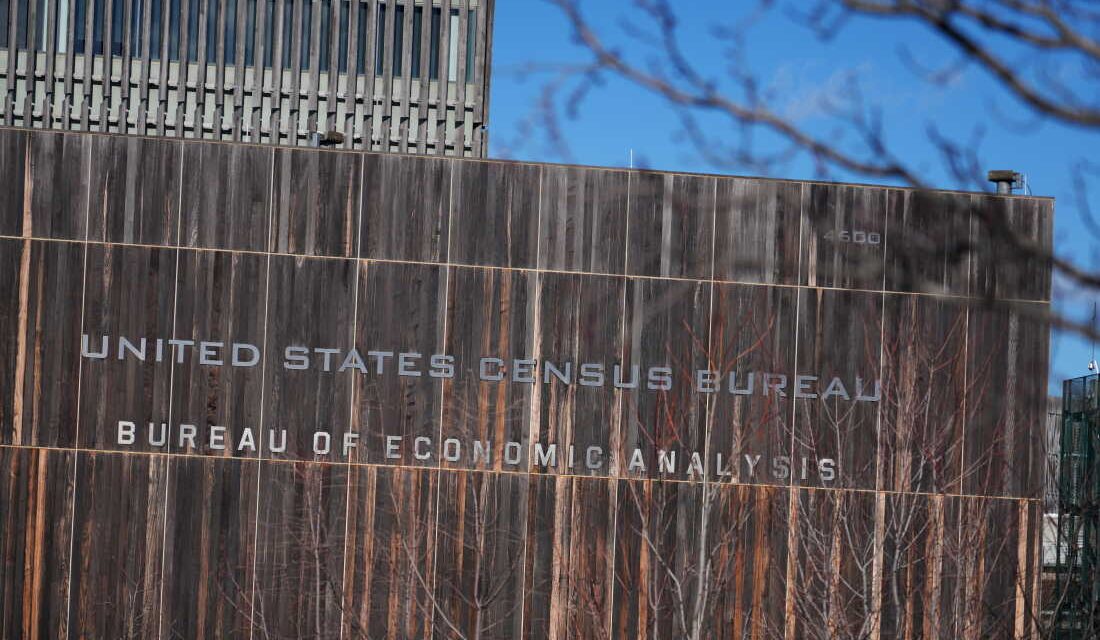
The Trump administration has revised the scientific integrity policy at the Commerce Department. This department oversees several crucial agencies, including the Census Bureau and the Bureau of Economic Analysis.
This change, effective August 19th, removed language banning political interference. The update comes amid scrutiny of the Census Bureau’s objectivity, especially concerning data on non-U.S. citizen voting. This report has connections to a think tank from Trump’s first administration.
The policy revision impacts agencies like the National Oceanic and Atmospheric Administration and the Bureau of Economic Analysis. Former Census Bureau officials and data experts have expressed concerns about political interference as preparations are underway for the 2030 national census. This census will affect political representation and federal funding for the next decade.
The Removal of Key Protections
The Commerce Department’s policy update, dated January 2025, was completed just before Trump’s second inauguration. The 2025 version included protections against interference in data collection and analysis without scientific justification. It emphasized ensuring that scientific findings aren’t suppressed or altered for political purposes. However, this language is missing in the recent revision.
This change has led experts to worry about the department’s integrity. Former deputy director Nancy Potok called the revision a significant alteration, removing safeguards against political interference in scientific data.
Response from Experts
The absence of a response from the Commerce Department and Census Bureau to NPR’s inquiries adds to concerns. Nancy Potok has followed a bipartisan effort advocating for trustworthy government information. This effort led to the 2018 “Trust Regulation,” ensuring statistical activities remain free from undue influence.
Robert Santos, former Census Bureau Director, noted the coinciding timing of the policy revision and the bureau’s controversial report. He sees this as potential evidence of political influence within the agency.
Additional actions by the Trump administration have also raised alarms. In June, a decision was made to stop using a privacy protection technique that the Bureau had relied on for decades. This has delayed important data releases, impacting statistics availability for local and rural areas.
Challenges for the Census Bureau
The administration’s actions come during a vulnerable time for the Census Bureau. A reduction in the federal workforce has led to a loss of experienced statisticians and economists. For remaining staff, the revised integrity policy suggests a new system for investigating violations but limits the role of department lawyers. Beth Jarosz from the Association of Public Data Users expressed concerns about potential staff pressure under this new structure.
The changes signify a weakening of scientific integrity measures within the Commerce Department, prompting serious questions about the future impartiality and objectivity of its data.
 State Department Simplifies Passport Process with Online Applications
 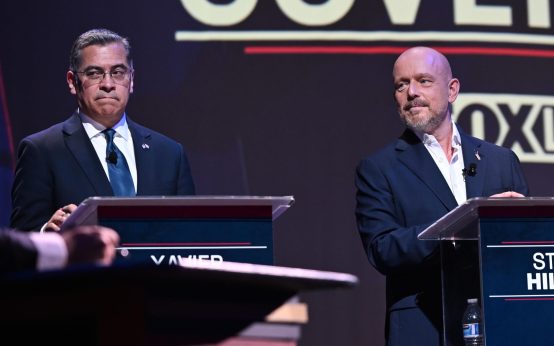 Becerra and Hilton Clash in California Gubernatorial Debate
  California Voters to Decide on $7.5 Billion State Research Fund
 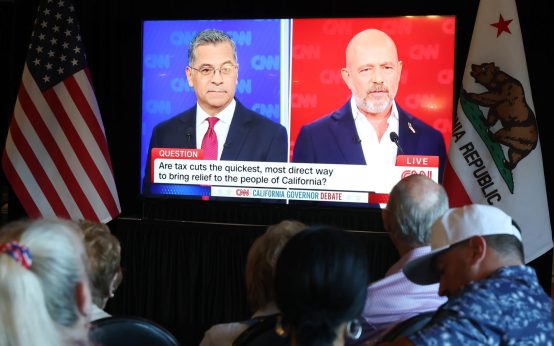 Highlights from the California Gubernatorial Debate: Becerra vs. Hilton
 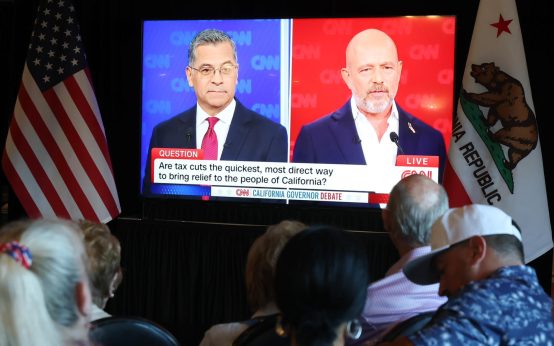 Becerra vs. Hilton: The Debate and Key Issues in the California Governor Race
  Senate Confirms New Labor Secretary