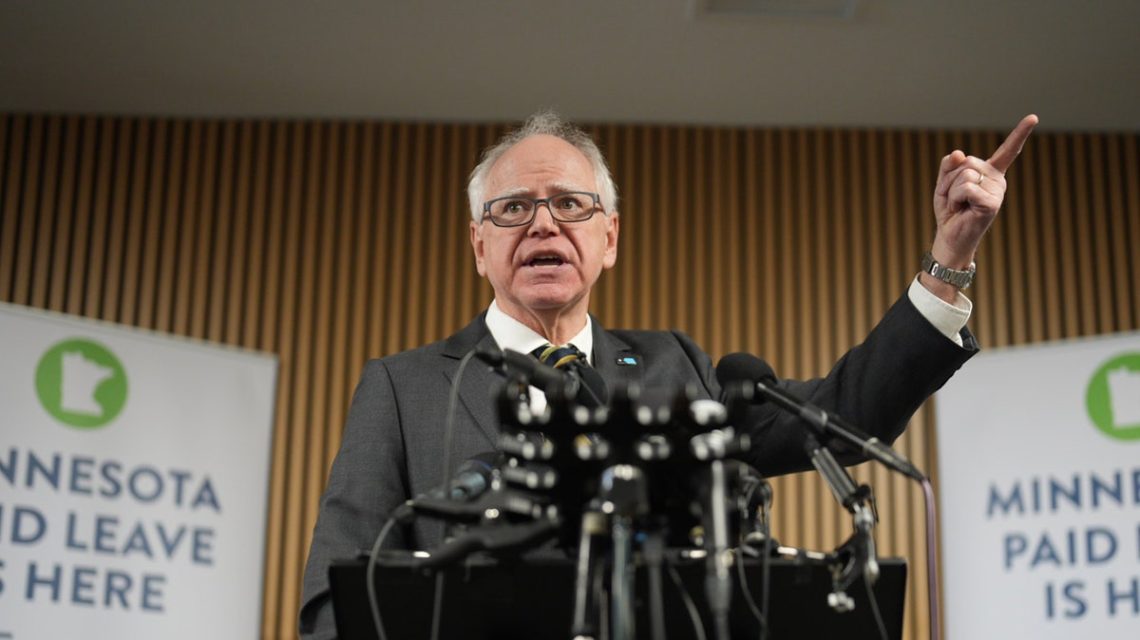
A candidate for the Minnesota state Senate, Heidi Heino, has expressed concerns about vulnerabilities in a fraud prevention law signed by Governor Tim Walz. Heino tested the law against prior fraud cases in the state to assess its effectiveness.
Inspector General Law Overview
The law in question, known as the Office of the Inspector General law, was created to establish a statewide watchdog. It aims to oversee inspectors general and investigate alleged fraud across state programs. It also sets fraud prevention standards and seeks to enhance coordination and data sharing.
Lack of Extra Safeguards
Heino, the Republican candidate for Minnesota’s 36th Senate District, believes the law lacks important safeguards. Her tests, conducted against the Feeding Our Future scheme and other past fraud scandals, revealed issues. “When I stress tested against Feeding Our Future and some of the other fraud schemes… it would have found the fraud eventually, but it’s way after the money was already gone,” Heino stated.
Examples of Fraud in Minnesota
Massive fraud schemes involving childcare, autism, housing, and disability services have affected Minnesota. Republicans attribute these failures to leadership and oversight issues, prompting the Trump administration to initiate a federal anti-fraud task force led by Vice President JD Vance.
Heino utilized her experience as a corporate leader, employing review and auditing strategies that highlighted where Minnesota’s fraud safeguards are lacking. A significant example was a 2,800% increase in payments to Feeding Our Future from 2020 to 2021, a spike that should have automatically triggered an investigation.
Need for Independent Audits
Heino argued for immediate action in case of fraud suspicions, including freezing payments and conducting full reviews. She highlighted the importance of independent audits, stating that these could save more money than they cost to implement. Without such measures, fraud-related gaps remain uncovered. “The OIG has good bones, but it needs teeth,” she remarked.
Current State Program Concerns
The issues extend to current programs, such as Minnesota’s Paid Leave program. Heino noted the lack of verification before payments, emphasizing the necessity for proper checks before releasing funds. She described the law as a “great first step” but acknowledged its shortcomings in fully safeguarding taxpayer money.
Heino’s Standpoint
As a Minnesota resident, Heino expressed frustration with how fraud has been managed, stating that it has turned the state into a “laughing stock of the nation.” She stressed the importance of directing resources to those in need and preventing fraudulent activities from siphoning funds out of the state.
The response from Governor Walz’s office and the Minnesota Department of Education remains pending. The ongoing fraud concerns in the state highlight the need for more robust preventive measures.
 Mayor Mamdani’s Policing Reform Plans
 Gen Z Voter Shifts and Their Impact on the 2026 Midterm Elections
 Disappearance of US Senate Candidate Raises Questions
 DOJ Rule Change Reduces Appeal Time for Immigrants Facing Deportation
 Hakeem Jeffries’ Bid for House Speaker Faces Progressive Hurdles
 Ohio Judge Dismisses Defamation Lawsuit by Rep. Max Miller