
As large language models continue to improve, college students increasingly rely on them for assistance. However, faculty members express growing concerns about the potential negative impact on learning processes.
Four years ago, the emergence of ChatGPT led some professors to warn that students might use this technology for cheating. Today, educators’ concerns have deepened. The fear is that artificial intelligence might hinder students’ independent thinking and learning abilities.
The issue at hand is not limited to academic dishonesty but encompasses how these tools may affect students’ intellectual development. Faculty members worry that relying too heavily on AI could prevent students from engaging with the necessary struggles and challenges required for genuine learning. The evolution of these technologies calls for a reassessment of teaching methods and the role of AI in education.
 Troy Swanson: Award-Winning Librarian Transforming Academic Libraries
 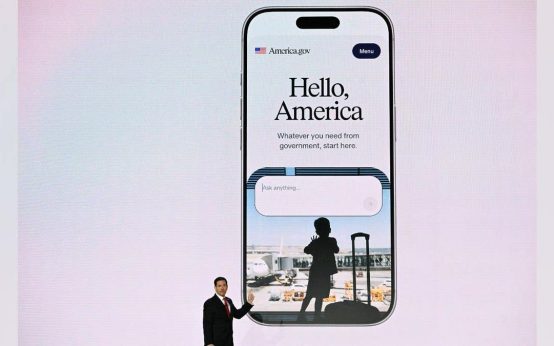 Trump Unveils AI-Powered America.gov Platform
 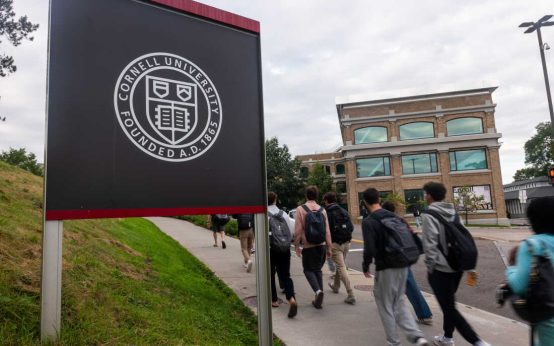 Cornell University to Investigate Handling of Alleged Assault Case
  Legal Challenge Against School Funding Inequalities in West Virginia
  Potential Changes Loom for School Voucher Programs
  Regents Exam Elimination Raises Concerns Over Student and School Accountability