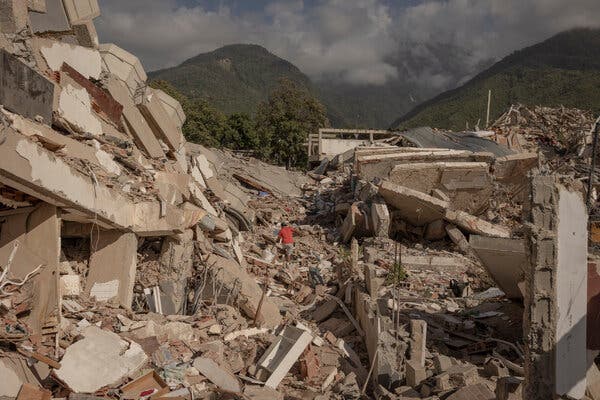
The aftermath of recent earthquakes in Venezuela has shifted the focus from immediate search and rescue to addressing potential long-term health risks. Health care workers are expressing concerns about the spread of diseases such as cholera and typhoid fever. These illnesses are more likely to emerge due to the destruction of clean water infrastructure in the affected areas.
Infrastructure Crisis
The destruction of water distribution systems has heightened the risk of water contamination. Susana Arroyo, spokeswoman for the International Federation of Red Cross and Red Crescent Societies in Caracas, noted the severe impact on La Guaira. This area was already struggling with limited access to clean water before the earthquakes. Now, bottled water is the only option for essential daily activities.
Arroyo highlighted that the sewage system in La Guaira is also destroyed, severely limiting access to sanitation facilities. Some areas entirely lack toilet access, compounding the hygiene challenges.
Pre-existing Challenges
The recent natural disaster added to pre-existing issues. Many residents in La Guaira relied on mobile water tankers for their basic water needs even before the earthquakes hit, underscoring the chronic water scarcity problem that the region faces.
As relief efforts continue, the focus moves toward addressing these critical infrastructure failures to prevent a public health crisis in the affected Venezuelan communities.
 Understanding Inflammation: Myths and Facts
 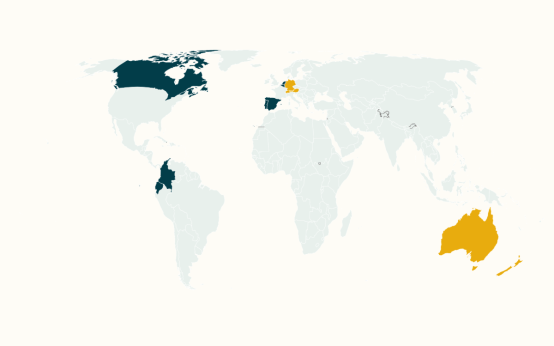 Dutch Review Board’s Euthanasia Ruling and International Debate
  Israeli PM Commends Heroic Actions in Flight Emergency
 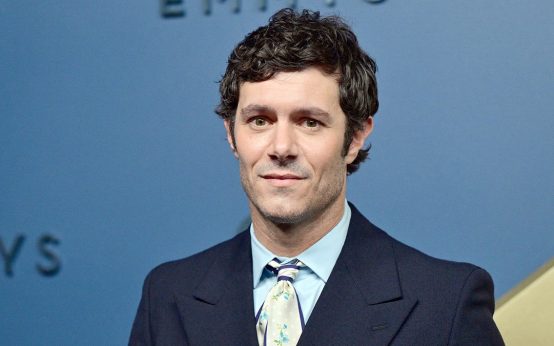 Rabbi and Jewish Leaders Criticize Adam Brody for ‘Genocide’ Comment
  Flydubai’s Emergency Landing Highlights Cockpit Security
  Calm Parenting: Strategies to Manage Stress