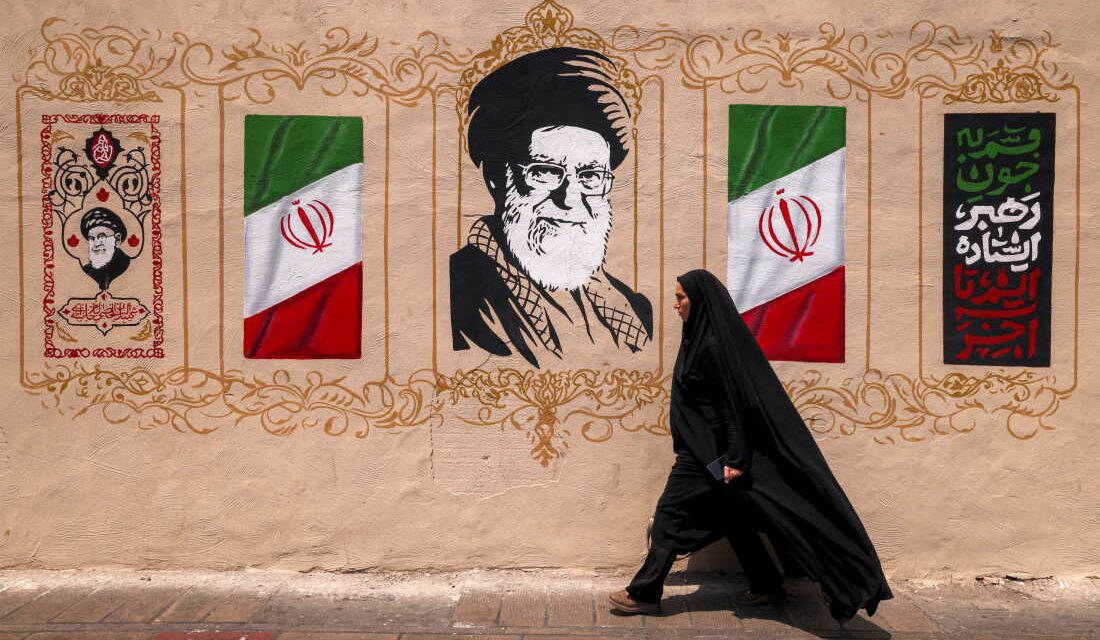
Six months have passed since the conflict began between the U.S. and Israel against Iran, aiming to dismantle the regime in Tehran. Despite intense pressure, Iran’s leaders have not only held onto power, but have adopted a more stringent stance.
Military Assaults and Consequences
The conflict saw U.S. and Israeli forces bomb Iran intensively from February 28 until the ceasefire on April 8. Initial attacks led to the death of several Iranian leaders, including Supreme Leader Ayatollah Ali Khamenei. Iran’s air force and navy suffered significant losses, although the country retains missile and drone capabilities, posing a threat to nearby Gulf nations and Israel.
Casualties number over 3,000 Iranians dead, with tens of thousands injured, according to the World Health Organization. The Pentagon reports 18 U.S. military deaths and hundreds of injuries. Israel and Gulf nations also experienced fatalities. Despite depleted U.S. munitions stockpiles, military presence remains strong in the region.
Strategic Use of the Strait of Hormuz
Iran effectively uses the Strait of Hormuz as a strategic weapon. By blocking this vital shipping route, crucial to global oil and gas supply, Tehran has significantly impacted worldwide economies. Negotiations with Oman to open the channel temporarily have hit a wall, with the U.S. rejecting Iranian control and threatening severe actions.
Gulf countries are exhausting alternate shipping routes, yet analysts stress the continued importance of the Strait.
Diplomatic Efforts and Economic Challenges
While President Trump has launched military actions targeting Iranian facilities, attempts at diplomatic negotiations have stalled. These efforts were deemed unrealistic in terms of effecting rapid change. Recent announcements include increased sanctions on Iran’s financial networks, aiming to pressure the struggling economy.
Despite economic turmoil, including crippling inflation and currency devaluation, the regime under Mojtaba Khamenei remains firmly in control. Internal consensus pushes for talks, aiming for compromise over continued conflict.
The Human Impact
Iranians endure extreme hardships due to ongoing war and economic decline. The IMF forecasts an economic contraction, and prices for essentials have soared, leaving many reliant on credit. Rises in medical expenses exacerbate the strain.
Reports indicate increased executions, with the Iranian government employing severe measures against dissent. Human rights organizations highlight the number of fatalities and arrests during mass protests.
Experts argue that change requires forming a political strategy, luring regime members to defect, and potentially destabilizing the existing power structure.
Reportage by Hadeel Al-Shalchi in Istanbul and Greg Myre in Washington, D.C.
 Rabbi and Jewish Leaders Criticize Adam Brody for ‘Genocide’ Comment
  Flydubai’s Emergency Landing Highlights Cockpit Security
 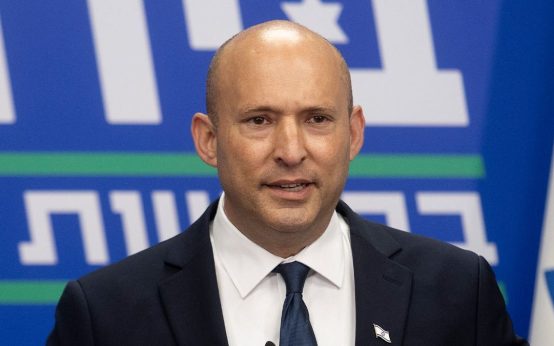 Former Israeli PM Naftali Bennett Commends Passengers and Crew for In-Flight Heroism
 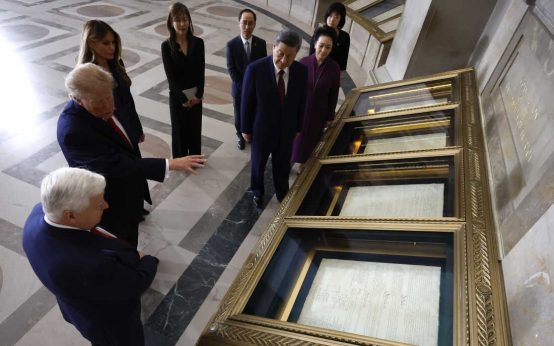 Diplomatic Complexities Unfold at U.S. National Archives Visit
 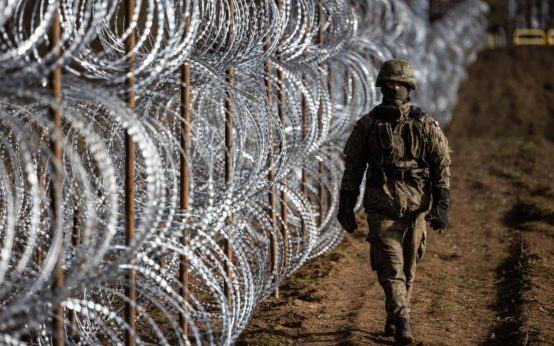 Russia’s Nuclear Threats Amid Tensions with the UK
  Future Cities: Ambitious Projects Aiming for Innovation and Sustainability