
Senate Hearing Reveals Divisions
Congress is addressing Social Security’s looming funding issue. However, a Senate hearing on Wednesday highlighted differing opinions on potential solutions. Social Security’s trust fund is expected to run out by late 2032. Without intervention, future payroll taxes will cover only 78% of planned benefits, leading to an automatic 22% reduction. The combined retirement and disability trust funds could last until 2034, after which 83% of benefits might be payable.
There’s a consensus that Congress must act, yet the Senate Finance Committee’s hearing showed sharp disagreement on reaching a resolution. Democrats accused Republicans of negotiating benefit cuts without public transparency. Proponents of a new bipartisan process argue political disputes have delayed actions for years.
Impact on Beneficiaries
Social Security benefits more than 70 million Americans, including retirees, people with disabilities, and their families. Analysts estimate a 22% cut could mean a significant reduction from the average monthly benefit of $2,071, pushing over 3 million seniors and disabled Americans into poverty.
The PROMISE Act Proposal
The bipartisan Protecting Retirement Opportunities and Maintaining Income Security for Everyone (PROMISE) Act has been proposed. Sponsored by Democratic Senator Dick Durbin and seven others, this act aims to address the funding crisis.
The PROMISE Act tasks the bipartisan Social Security Advisory Board with crafting a bill to keep the trust funds solvent for 50 years. This proposal would then go to relevant committees for amendments or directly to the chamber’s calendar if not advanced. Lawmakers can present alternatives that meet the same requirement. The Senate’s passage requires 60 votes; the House needs a majority.
Supporters state the bill does not prescribe solutions such as raising revenue or changing benefits, but it ensures a vote on the issue.
“Our bipartisan proposal opens Congress to debate this issue in a transparent, fair, and bipartisan way,” said Durbin.
Challenges and Opposition
Republican Senator Chuck Grassley stressed the need for bipartisan support, citing polling that shows public favor for independent commissions. However, opposition comes from groups like AARP, who prefer the legislative process without external commissions. They argue for open hearings and amendments to safeguard benefits.
Senator Ron Wyden opposes delegation to outside bodies, insisting on addressing the issue through the regular legislative process.
Historical Context
Social Security faced a similar crisis in the early 1980s. President Ronald Reagan created a national commission, led by economist Alan Greenspan, which led to the Social Security Amendments of 1983. These amendments involved taxing benefits of higher-income recipients and adjusting payroll taxes and retirement ages. The legislation passed with bipartisan support.
 Trump’s 2024 Reelection and Evolving Voter Dynamics
  Defense Secretary Emerges as Key Player in the Trump Administration
  Hegseth’s Vision for the Military: Balancing Tradition and Innovation
 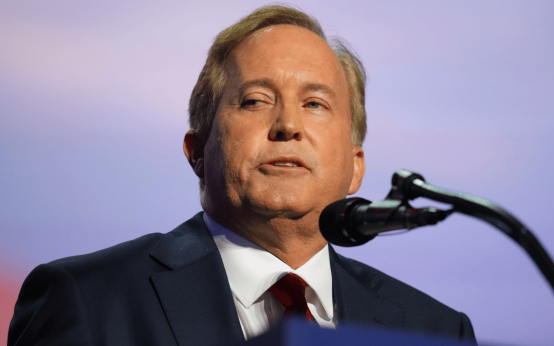 Significant Funding Boosts Ken Paxton’s Texas Senate Campaign Amid Tight Race
  U.S. States Extend Gas Tax Waivers Amid Rising Fuel Costs Due to Iran Conflict
  USCIS Raises Immigration Fees