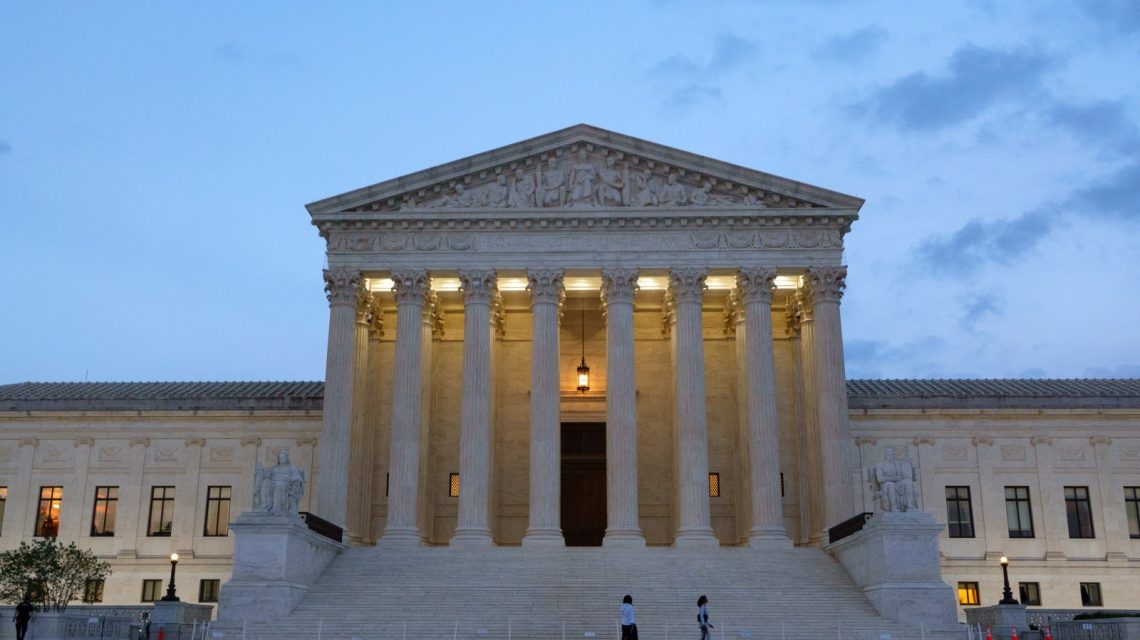
Following the Supreme Court’s rejection of President Donald Trump’s bid to end birthright citizenship through executive action, conservative activists are shifting focus. They aim to shape the judicial landscape, anticipating future revisitations of the issue. At a recent gathering of conservative lawyers, immigration advocates, and former Trump officials, strategies to sustain the birthright citizenship debate were examined.
Continuing the Fight Beyond the Supreme Court
The Supreme Court’s 6-3 decision in Trump v. Barbara upheld that children born in the U.S. to parents who are unlawfully or temporarily present are citizens at birth under the 14th Amendment. Trump’s allies argue the ruling doesn’t halt efforts to challenge this. Justices Clarence Thomas and Samuel Alito dissented, suggesting ongoing disagreement. This dissent fuels conservative hopes for future challenges.
The White House announced new executive orders targeting specific birth-related categories, signaling continued commitment to the issue. These measures are expected to face legal challenges, following Trump’s pledge to persist despite the Supreme Court ruling.
Focus on Judicial Appointments
Mike Davis, of the Article III Project, emphasized the importance of judicial appointments in advancing conservative legal goals. Referencing Justice Alito’s dissent, Davis stressed the need for more judges with aligned views. Discussions included legal scholarship, conferences, and legislation, but the focus on judicial nominees highlights a strategic shift.
This approach elevates birthright citizenship from an immigration debate to a constitutional interpretation issue within judicial nominations, akin to previous litmus tests on topics like abortion and gun rights.
Comparison to Roe v. Wade
The comparison to Roe v. Wade’s challenge strategy emerged, with some conservatives framing birthright citizenship as the next major constitutional battle. The long-term campaign against Roe involved multifaceted efforts beyond lawsuits, including public advocacy and legal education, which some advocates hope to replicate for birthright citizenship.
Such efforts reflect how the conservative legal movement has historically leveraged judicial appointments to revisit settled precedents, culminating in landmark decisions such as the overturning of Roe in 2022.
Perceived Progress
Even in defeat, some conservatives view the Supreme Court case as a milestone, sparking broader debate and attention to their perspective. John Eastman highlighted the case’s reach as a step forward, suggesting lawmakers, judges, and the public are now engaging with the issue more seriously.
Supporters believe ongoing public dialogue, legislative proposals, and litigation will build momentum for their cause, potentially shifting prevailing interpretations over time.
Future Outlook
The Supreme Court’s decision currently stands, granting citizenship to U.S.-born children as per the 14th Amendment. Experts anticipate challenges to subsequent executive actions. However, conservative activists appear focused on long-term strategies, aiming to influence the legal narrative through judicial appointments and legal discourse.
If impactful, these efforts might reshape confirmation hearings to include debates on the Constitution’s Citizenship Clause interpretation, previously uncommon in such proceedings.
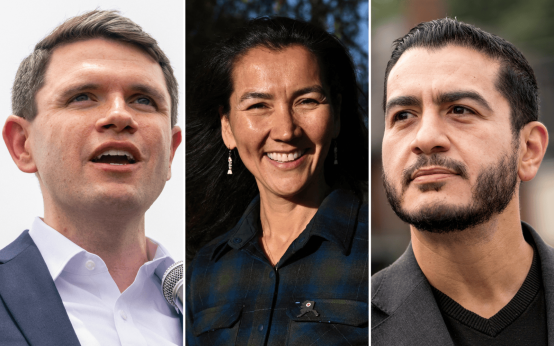 Democratic Hopes and Historical Warnings in 2026 Senate Race
  Republicans Face Challenges Amidst Cost of Living Concerns
 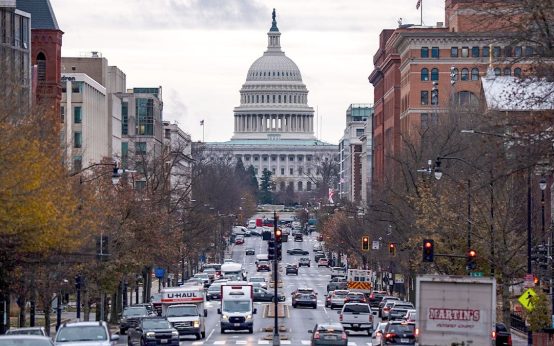 A Different Kind of Fall for Congress This Year
 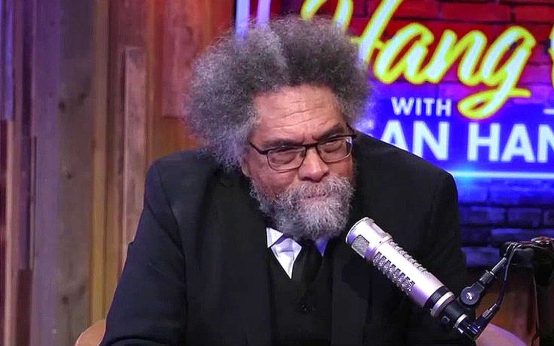 Cornel West and Sean Hannity Discuss Differences on Podcast
  Trump Unveils AI-Powered America.gov Platform
  Upcoming Congressional Elections: Key Districts to Watch