Historic Political Change in British Columbia
British Columbia has elected a Conservative government for the first time in 98 years. The New Democratic Party (NDP) was ousted in this significant federal battleground after nine years in power. Premier David Eby initiated a snap election two years ahead of schedule.
Lorne Doerkson’s Triumph
Lorne Doerkson’s Conservatives gained a commanding lead, directing in 64 of 93 electoral districts according to early results on Sunday. This exceeds the 47 districts needed for a majority. Prime Minister Mark Carney’s center-left Liberal government may be impacted by these developments ahead of the national elections in 2029.
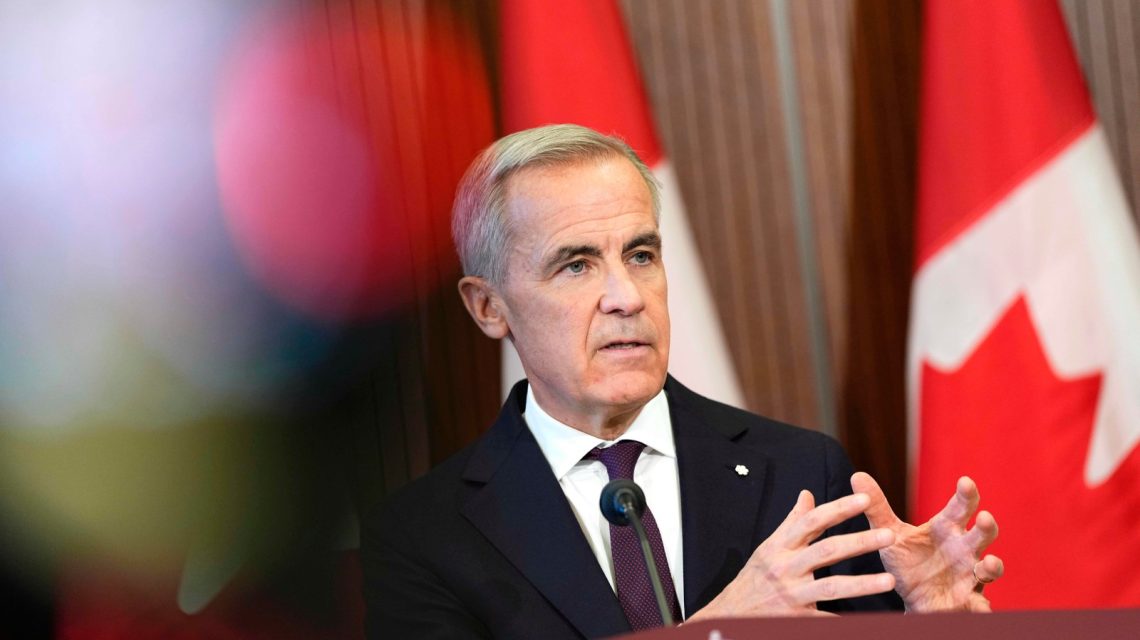
“I look forward to working with you as Premier to get more homes built, unleash our full potential as an energy superpower, and build a stronger British Columbia and a stronger Canada for all,” Carney said.
Eby’s Snap Election
Eby called the snap election on September 22, stating a need for more seats to respond to U.S. tariffs on Canada. The NDP had previously secured 47 seats in the 2024 election. Internal Conservative controversies, including a leadership resignation and party defections, made this a high-stakes gamble.
Doerkson’s appointment as interim leader seemed to reunite the conservatives, leading many former legislators back to the party. After the results, Eby accepted responsibility for the loss and announced his resignation, congratulating Doerkson in a public social media post, expressing personal gratitude for his tenure.
“Tonight, British Columbians chose a new direction. We’re doing this for our sons and daughters,” Doerkson said.
Implications for Prime Minister Carney
Carney’s party currently holds 20 of British Columbia’s 43 federal seats compared to 19 for the Conservatives. This shift might signal broader electoral trends that could affect Carney’s party. While the effectiveness of campaigns targeting Trump’s policies is yet to be fully assessed, these developments could redefine political strategies.
The Leger poll, conducted between October 9 and 12, surveyed 1,525 individuals, revealing 48 percent support for the Liberals over 33 percent for Conservatives, with a margin of error of +/-2.5 percentage points.
 Mayor Mamdani’s Policing Reform Plans
 Gen Z Voter Shifts and Their Impact on the 2026 Midterm Elections
 Disappearance of US Senate Candidate Raises Questions
 DOJ Rule Change Reduces Appeal Time for Immigrants Facing Deportation
 Hakeem Jeffries’ Bid for House Speaker Faces Progressive Hurdles
 Ohio Judge Dismisses Defamation Lawsuit by Rep. Max Miller