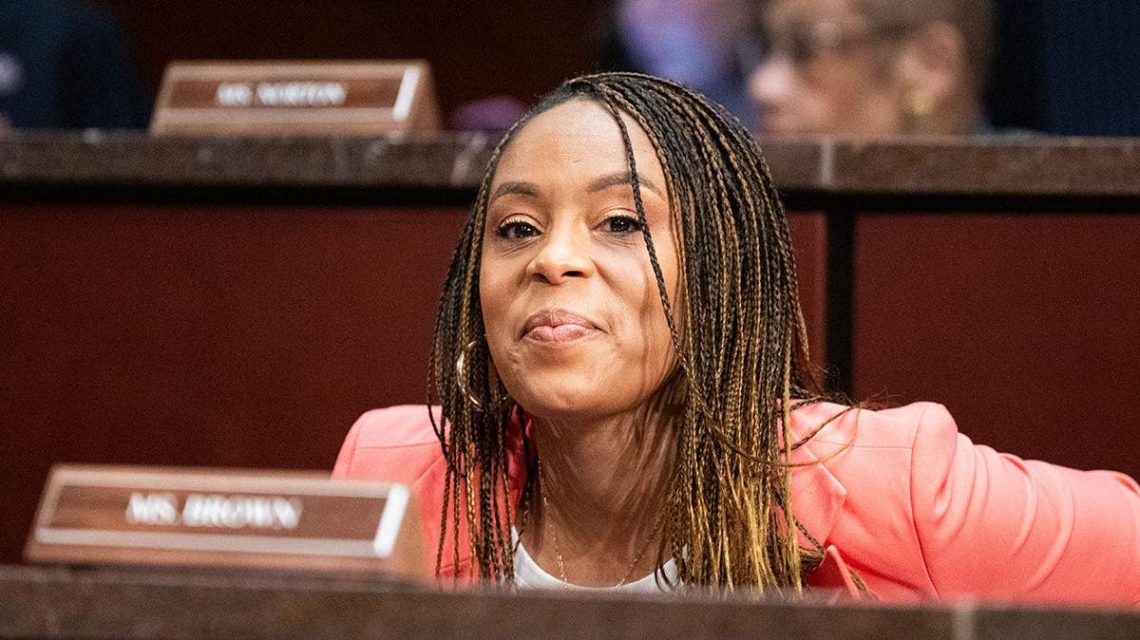
The topic of ‘modern-day lynchings’ has stirred significant debate following statements by certain progressive lawmakers. This issue gained attention during a discussion on ‘The Big Weekend Show’ after Congresswoman Ayanna Pressley, alongside 50 other Democrats, pushed for a federal investigation into deaths by hanging. Yet, authorities have classified most of the ten cases mentioned as suicides. Only one case in Mississippi is being pursued as a homicide.
Concerns intensified when Ohio Congresswoman Shontel Brown voiced her alarm over what she described as an increase in Black Americans found hanging from trees. She highlighted the historical implications of such incidents in a statement on social media platform X. Brown’s call to action aligns with the efforts of Rep. Ayanna Pressley, who has demanded a detailed federal investigation for each hanging death of a Black individual across the country, as outlined in a recent letter to the Department of Justice.
Despite the push for investigations, backlash has been significant. Notably, Pressley and Rep. Alexandria Ocasio-Cortez shared the letter on their social media accounts, resulting in criticism and claims that the perception of increased lynchings is unfounded. An assessment of cases revealed several deaths were ruled suicides, including a March incident in Cobb County, Georgia, where a 21-year-old was found hanging, and officials concluded no foul play occurred.
Similarly, in Charlotte, North Carolina, the death of a 16-year-old by hanging in May was determined to be suicide. The Miami-Dade Sheriff’s Department reached a comparable conclusion regarding a 27-year-old’s death in June. Among these cases, only one, involving Tasia Fortune, remains under investigation as a homicide, for which a suspect, Jarques Ratliff, has been apprehended.
Rep. Shontel Brown persisted in her assertion that these tragic events are part of a larger pattern of fear and intimidation. She referenced the historical context where trees were used as tools of terror against Black communities, with most cases receiving neither justice nor accountability. Her position invited criticism online, with some accusing her of deliberate misinformation and stoking racial tensions.
Prominent voices such as actor Dean Cain and social media commentators challenged Brown’s statements. Critics argue that many cases were indeed suicides and emphasize that in the lone homicide under investigation, the suspect is Black. They express skepticism over the existence of organized racial violence and critique the timing of such claims, especially during election cycles.
In light of the scrutiny, Rep. Shontel Brown’s office has yet to respond to requests for comments. The discussions continue to provoke differing opinions on this sensitive subject.
 Defense Secretary Emerges as Key Player in the Trump Administration
  Hegseth’s Vision for the Military: Balancing Tradition and Innovation
 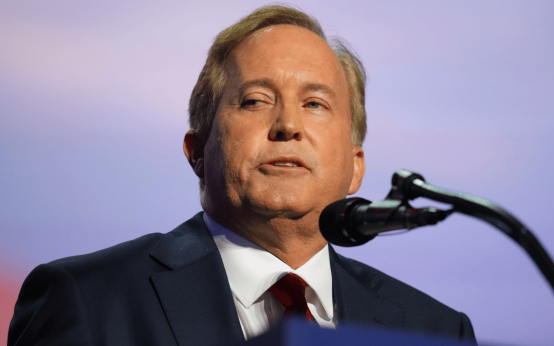 Significant Funding Boosts Ken Paxton’s Texas Senate Campaign Amid Tight Race
  U.S. States Extend Gas Tax Waivers Amid Rising Fuel Costs Due to Iran Conflict
  USCIS Raises Immigration Fees
 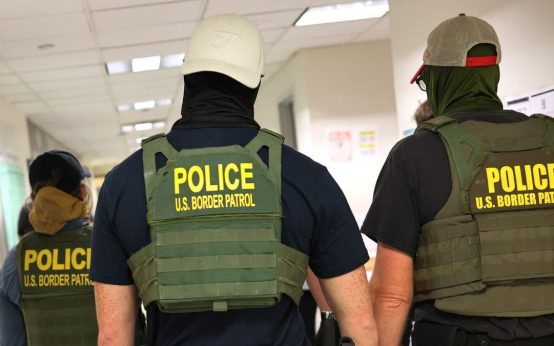 The Surveillance Threat to U.S. Federal Agents