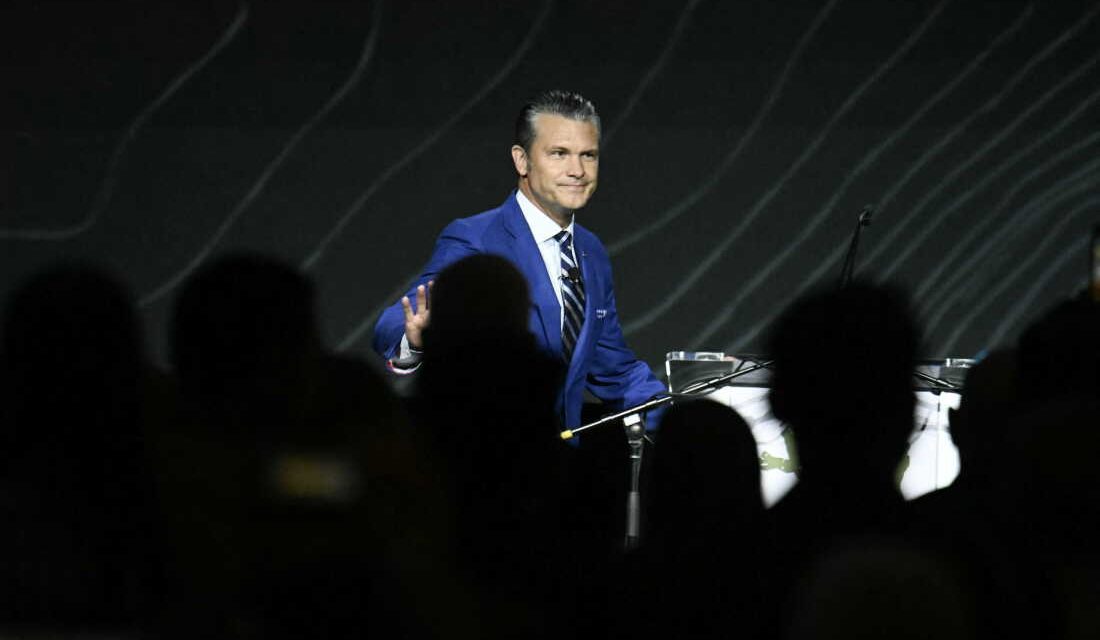
Secretary of Defense Pete Hegseth’s Remarks and Controversy
Defense Secretary Pete Hegseth recently suggested the possibility of livestreaming the execution of Nidal Hasan, sparking wide-ranging debate. Hasan, involved in the Fort Hood attack, is scheduled for execution on December 3. Hegseth argues that making the execution public would serve as a deterrent against similar acts of violence. Yet, fears about the implications of such an action have emerged among religious scholars and policy experts.
Concerns from Religious Scholars
Julie Ingersoll, a professor specialized in the religious right, voiced concerns over how this proposal might alter boundaries of social acceptability. She warned that merely discussing public executions affects what society finds permissible. Matthew Taylor, a visiting scholar at Georgetown University, echoed these sentiments, describing Hegseth’s notions as extremist and potentially detrimental when introduced into military infrastructure.
Religious Influence and Ideologies
Hegseth’s connections to the Communion of Reformed Evangelical Churches (CREC) raise further questions. The religious community he affiliates with reportedly strongly supports capital punishment, aligning biblical teachings with contemporary interpretations of justice. Archbishop Timothy Broglio opposed the proposal, advising Catholics in the military to avoid participating in any such acts.
Underlying Religious and Political Motivations
Discussion about Hasan’s anticipated punishment is entwined with broader religious and political motivations. Ingersoll and others suggest Hegseth’s stance links to his background of Christian Nationalism, reflecting beliefs regarding a religiously governed society. Moreover, the symbolism in Hegseth’s tattoos and his book, ‘American Crusade,’ signals a connection to historical conflicts between Christianity and Islam.
Public and Political Opposition
Political figures and faith leaders have voiced disapproval of the proposed execution. Joshua Salaam from the Association of Muslim Chaplains questions why Hasan is subject to different treatment based on his religious identity. Discussions of dominance and governance in Christian nationalist terms remain prominent in these debates, particularly concerning broader implications for societal norms and the principles of democracy.
Potential Impact and Concerns
Concerns exist that thoughts around public executions extend beyond religious circles, as noted by Charlie Kirk’s comments in 2024 advocating televised executions. For Taylor, these proposals demonstrate efforts to test extremist ideas and establish precedents within American culture, unsettling many who contemplate their societal impact.
Faith leaders like Salaam warn against the damaging effects public executions can inflict on societal morals, emphasizing the harmful influence such events carry for citizens, including children. NPR attempted to contact the Pentagon for comment but received no response before publication.
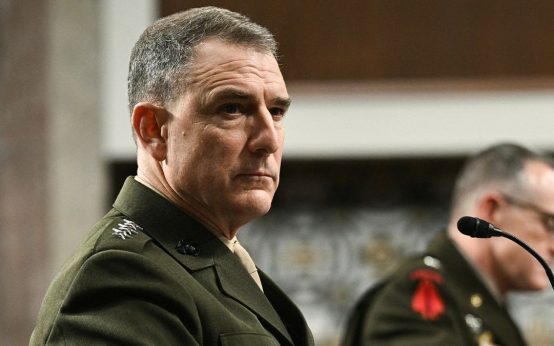 U.S. Military Expansion Targets Drug Trafficking Networks in Latin America
 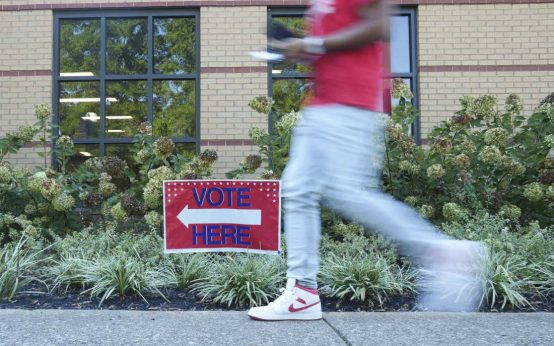 Swing Voters Reflect on Trump’s Impact Ahead of Midterms
 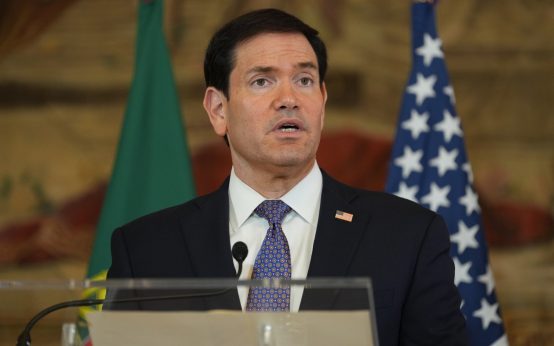 Judge Orders Trump Administration to Open 2027 Diversity Visa Lottery
 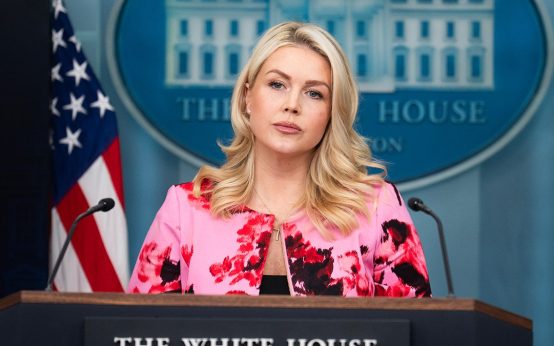 Karoline Leavitt Discusses Working with Trump and Her Career Transition
  Congress Divided on AI Policy as Midterms Approach
 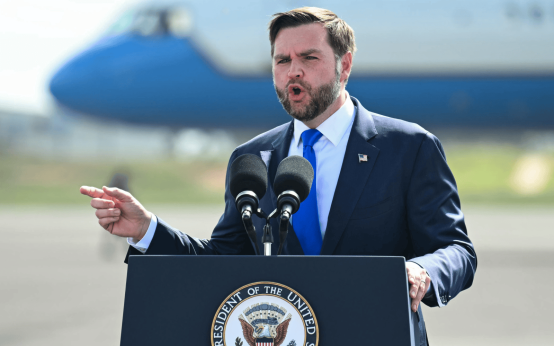 Political Heavyweights Campaign in Michigan Senate Race