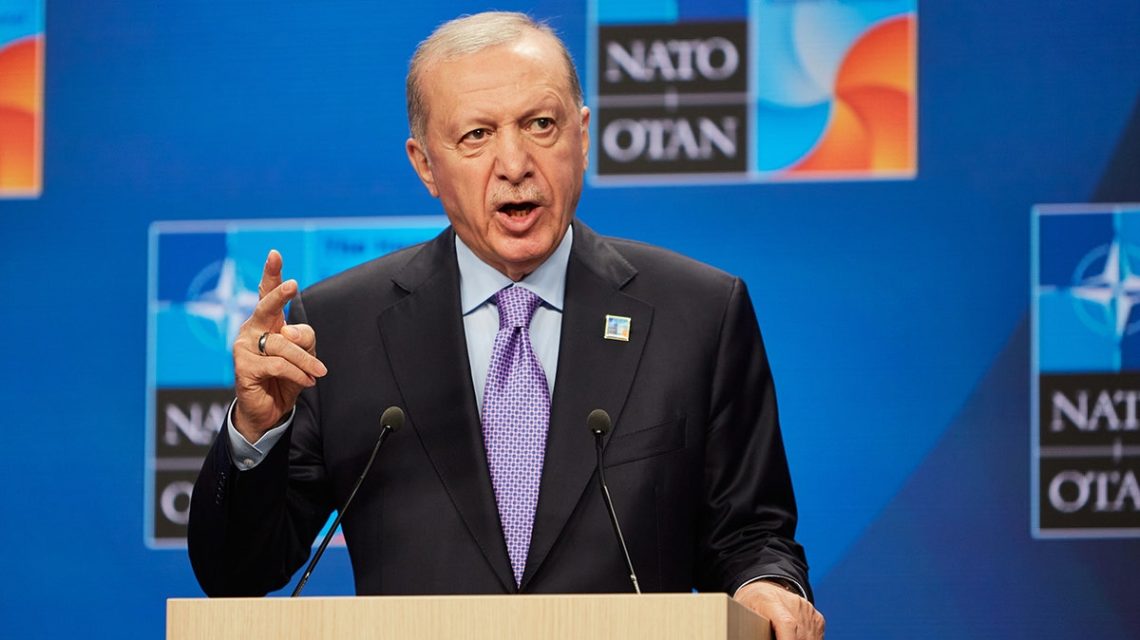
The Trump State Department has criticized a new maritime agreement between Turkey and Libya. This deal has sparked frustration among multiple nations, as it alters established sea borders in the Mediterranean Sea, where large gas deposits may exist.
In October, Eastern Libya’s parliament, led by military chief Khalifa Haftar, approved the accord. Haftar has formed an alliance with Turkey, bypassing Libya’s recognized government in Tripoli. A U.S. State Department spokesperson stated the delimitation memorandum has raised regional tensions and is deemed provocative. They emphasized the U.S. stance remains unchanged.
The spokesperson encouraged Eastern Mediterranean countries to settle disputes through negotiations. They urged Greece and Türkiye, both NATO allies, to engage in dialogue to resolve disagreements. Peaceful resolutions can facilitate commercial investment and regional exploration.
Turkish Foreign Minister Hakan Fidan defended the agreement, calling it legal and politically sound. He dismissed criticism, asserting some nations oppose the deal due to strategic issues.
Greek Foreign Minister George Gerapetritis denounced the memorandum on his ministry’s website, claiming it violates international law and advances Turkish interests in Libya.
Endy Zemenides from the Hellenic American Leadership Council warned the agreement threatens U.S. security and energy policy, affecting U.S. companies operating near NATO’s Crete base.
The EU strongly opposed the Turkey-Libya Memorandum, labeling it as infringing on third states’ rights and non-compliant with maritime law.
Israel condemned Libya’s ratification decision, asserting it destabilizes the east Mediterranean region.
 In-Flight Altercation on Qatar Airways Leads to Police and FBI Response
 Mayor Mamdani’s Policing Reform Plans
 Virginia Residents Sue Over Alleged Immigration Violations
 Gen Z Voter Shifts and Their Impact on the 2026 Midterm Elections
 Disappearance of US Senate Candidate Raises Questions
 DOJ Rule Change Reduces Appeal Time for Immigrants Facing Deportation