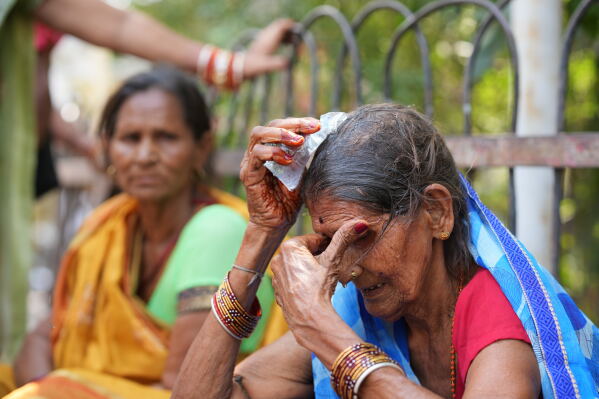
Banda, a town in northern India, experiences one of the country’s most extreme heat conditions. Global warming, mainly due to the burning of fossil fuels, leads to more frequent and intense heat waves across India. Banda, located in Uttar Pradesh, ranks among the regions most vulnerable to heat. In 2023, a severe heat wave in the state resulted in at least 119 fatalities over a few days.
In May, Banda recorded temperatures reaching 48.2 Celsius (118.8 Fahrenheit). The town frequently ranked as the hottest location in the country and even the world several times. Despite a slight decrease, temperatures continue to be oppressive, especially with the rising humidity due to seasonal rains.
Daily Life Struggles in the Heat
Morning Challenges at the Market
At Banda’s vegetable market, Munni Devi and her four sons start work early at 4 a.m. The temperature already stands at 30°C (86°F). They unload and move vegetables like tomatoes and jackfruits. Despite the severe heat, they cannot afford to miss a workday. Devi, 70, notes that the heat intensifies every year, making their physically demanding jobs even more difficult.
With unreliable electricity, relief at home is limited. They often find themselves without power for hours, leaving even basic fans useless. To help their grandchildren cope, they use a water hose to sprinkle them daily.
Protecting Birds in the Afternoon
As temperatures peak in the afternoon, those who can seek refuge indoors. Yet some, like vegetable sellers and auto rickshaw drivers, continue to work outside. Bird conservationist Shobharam Kashyap strives to protect local birds. He crafts wooden birdhouses, installing over 15,000 across Banda to provide them shelter. He also places clay water bowls around his home for birds to drink and cool off.
Kashyap believes in continuing traditional practices of caring for birds, aligning with cultural customs of offering food at temples intended for them.
Evening Rush at Hospitals
As the days grow hotter, Banda’s hospital sees an influx of patients with heat-related illnesses like dehydration and heatstroke. Dr. Abhishek Pranayami, the head doctor, mentions that patient numbers rise every summer. The medical staff remain busy managing cases of fainting, diarrhea, vomiting, and abdominal pain.
Seeking Relief at Night
Even after sunset, the heat persists. Families gather at the railway station, hoping for relief in the open platforms. Dozens sleep there, using blankets on stone floors or benches for makeshift beds. Despite the noise and light, they prefer this to their homes, which trap heat.
Young boys cool their water bottles by wrapping them in torn clothes during nighttime cricket games. For families with children, the station offers a slightly more tolerable environment. Climate expert Abhiyant Tiwari stresses that high nighttime temperatures prevent recovery from the day’s heat, posing a health risk.
Local authorities, like district magistrate Amit Aasery, have launched initiatives to help, such as opening cooling centers and distributing rehydration kits. They continue to monitor hospital conditions and explore improvements in water supply and awareness. However, Aasery acknowledges global climate change as the root cause of these conditions.
 British Police Arrest Man Suspected of Terror Plot
  Activists Push for Nationwide Ban on Child Marriage in the U.S.
  Investigation into Alleged Incident at Cornell University
  Rising Drone Threats Highlight Vulnerabilities in Moldova’s Airspace Defense
  Bolivia Faces Security Test Amid Unrest
  Incident on FlyDubai Flight Raises Security Concerns