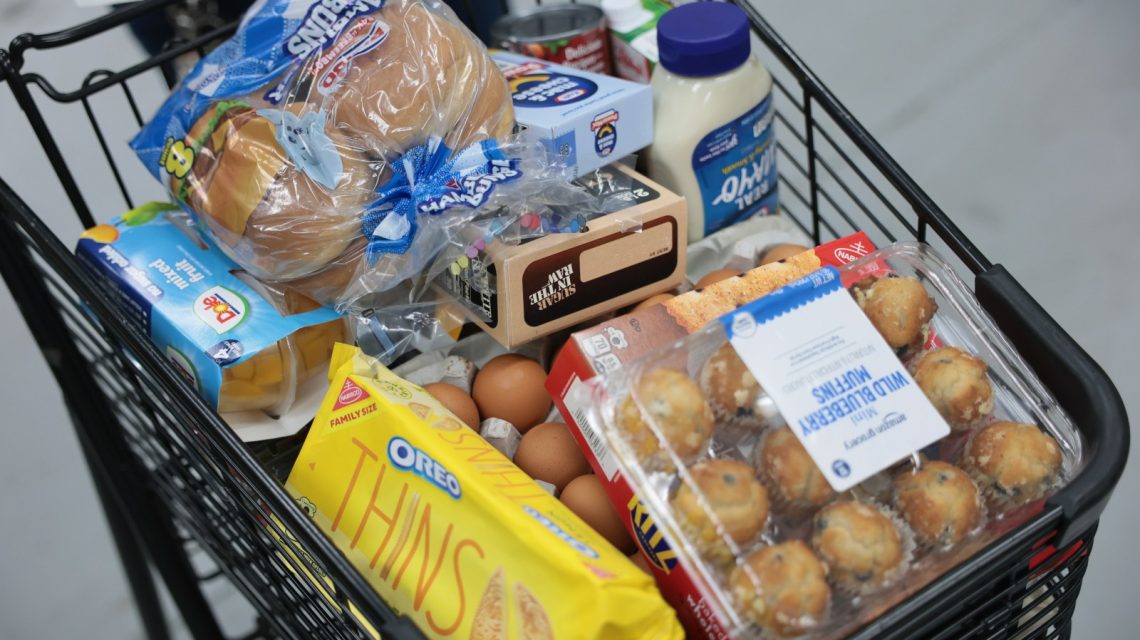
Many Americans face increasing living expenses, and grocery costs are a significant concern. A recent study indicates that shoppers in several states pay over 50% more for groceries when opting for pricier supermarkets instead of economical ones. This analysis by Freedom Debt Relief reveals that the low-cost chain Aldi ranks as the most affordable grocery store across 32 states.
Price Comparison of Grocery Chains
The investigation highlights that Whole Foods emerges as the costliest major grocery retailer in 44 states. Consumers at Whole Foods often pay around 52% more than those choosing the least expensive alternative in numerous regions.
Findings by Freedom Debt Relief
Freedom Debt Relief utilized Consumer Reports’ 2026 grocery price comparison to identify the cheapest and most expensive chains in each state. They analyzed each chain’s presence across states to determine these rankings.
Aldi emerged as the cheapest option in many states, including Alabama, Arizona, California, and Texas. Lidl was most affordable in states like Delaware and New York, while Walmart and WinCo led in affordability in Alaska, Hawaii, Idaho, and others.
Most Expensive Grocery Options
Whole Foods ranked as the priciest chain in states like California, Florida, and New York. Other expensive options include Safeway in Alaska, Trader Joe’s in Delaware, and Albertsons in North Dakota.
Freedom Debt Relief’s analysis noted stark price differences. In New York, Whole Foods shoppers pay 52.7% more than Lidl shoppers. Similar differences occur in Pennsylvania and Georgia. Aldi shoppers in California and Illinois spend 52.3% less than Whole Foods patrons. In Washington, WinCo offers a 44.5% price reduction over Whole Foods.
Reasons for Cost Variations
Discount grocers such as Aldi and Lidl maintain low prices with private-label goods and reduced selections. Conversely, Whole Foods charges more due to its organic and specialty offerings.
Inflation and Consumer Concerns
Inflation remains a pressing issue. A Marquette University Law School poll reports that 35% of Americans view inflation and living costs as their primary worries, followed by 15% focused on the economy.
Higher food prices lead to changes in shopping habits, compelling retailers to compete on price. Major chains have initiated discount strategies and were commended by President Donald Trump.
Retailers’ Pricing Strategies
Walmart expanded its “rollback” program. Sam’s Club, Meijer, Kroger, and others announced price cuts. For instance, Giant Eagle reduced prices by over 10% on 300 items, responding to financial challenges faced by consumers.
Retailers now increasingly use loyalty programs, digital coupons, and targeted promotions to attract budget-conscious shoppers. Many have linked temporary price reductions to exclusive offers and rewards to boost customer loyalty as consumers scrutinize prices more closely.
The White House acknowledged these reductions, attributing them to President Trump’s influence. However, only a few companies have directly cited Trump or his administration. A Reuters/Ipsos poll shows that 48% of Americans consider living cost the primary factor in voting decisions.
 Cargo Plane Crash at Miami International Airport
  Marine Veteran Suing Oregon School District Over Curriculum Reimbursement
  Tennessee Execution Halted as Issues Persist with Lethal Injection Protocol
  Judge Dismisses Case Against Former Olympian Over Lincoln Memorial Incident
  Minnesota Family Files Civil Rights Lawsuit Over ICE Agent Shooting
  California Bans Child Marriage, Protecting Minors