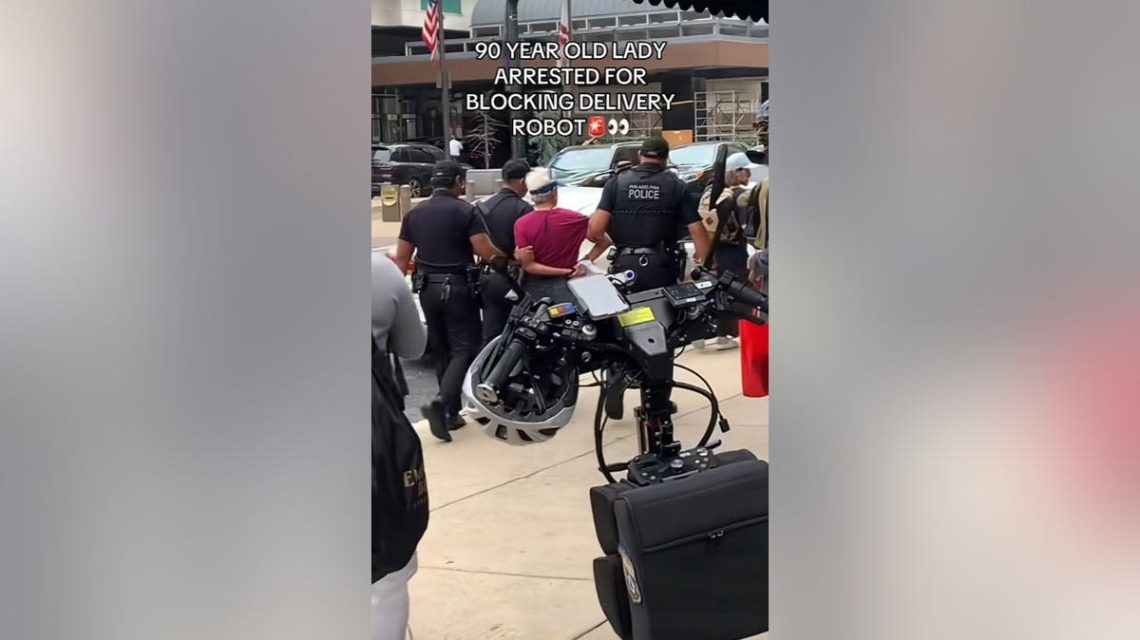
When most people encounter a food delivery robot on the sidewalk, they simply move around it. However, a retired professor in Philadelphia chose to block one’s path, leading to her arrest and prompting a discussion on the role of robots in displacing human jobs.
Protest Against Delivery Robots
On October 14, Carolyn Marvin, a retired professor from the University of Pennsylvania, stood in front of an Uber Eats delivery robot near Reading Terminal Market. After receiving multiple warnings from police, she was arrested for disorderly conduct. Marvin has been obstructing these robots as a form of protest against automation taking over human delivery jobs. She claims her actions are protected under her First Amendment rights.
Motivation Behind the Protest
Marvin believes that robots threaten the livelihoods of human couriers, as each robot-delivered order represents lost income potential for people. Companies like Uber hope to reduce their operating costs through automation, though they maintain that robots are intended to complement human workers.
During her protests, Marvin often engages in discussions with pedestrians, using her actions to raise awareness of the issue.
Pennsylvania’s Legal Stance
Despite Marvin’s arrest, Pennsylvania law treats delivery robots as pedestrians. However, the law mandates that these robots must yield the right-of-way to human pedestrians and cyclists. This adds complexity to the legal scenario regarding who has ultimate right-of-way on sidewalks.
Additionally, operators are required to notify municipalities ahead of deploying robots. Municipalities can opt to restrict or prohibit robots in certain areas if they are deemed hazardous.
Robotic Expansion
Uber Eats robots operate with technological features like cameras and sensors, navigating at up to 5 mph and carrying substantial payloads. Since March 2026, these robots have been making short food deliveries, providing a convenient option without adding more cars to the road.
In October 2026, more delivery points were added to the service in Philadelphia, although it remains unclear if this requires expanding the robot fleet.
Public Response and Concerns
Incidents have occurred where robots blocked sidewalks, raising accessibility concerns, especially for those using mobility aids. This creates potential hazards and has led some residents to express frustration over the presence of these machines.
Residents are encouraged to voice concerns about safety and accessibility issues and monitor local government decisions to ensure safe sidewalk use.
The broader concern relates to potential job losses due to automation. Companies need to provide transparency on how automation might affect employment opportunities for delivery workers.
Looking Ahead
As delivery robots become more common, it remains important for cities to consider their impact on human jobs and safety. Residents can play a role in shaping policies around robot operation on public sidewalks, ensuring both convenience and fairness for all sidewalk users.
 The Daily Routine of Klook’s CEO Focused on Fitness and Efficiency
 The Jensen Huang Controversy: Silicon Valley’s Divided Opinion
 California Lawsuit Against OpenAI: Key Details and Implications
 Updates on Key International and Domestic Events
 E.l.f. Cosmetics Breaks Makeup World Record at TwitchCon
 Understanding Credit Freeze, Fraud Alert, and Identity Monitoring