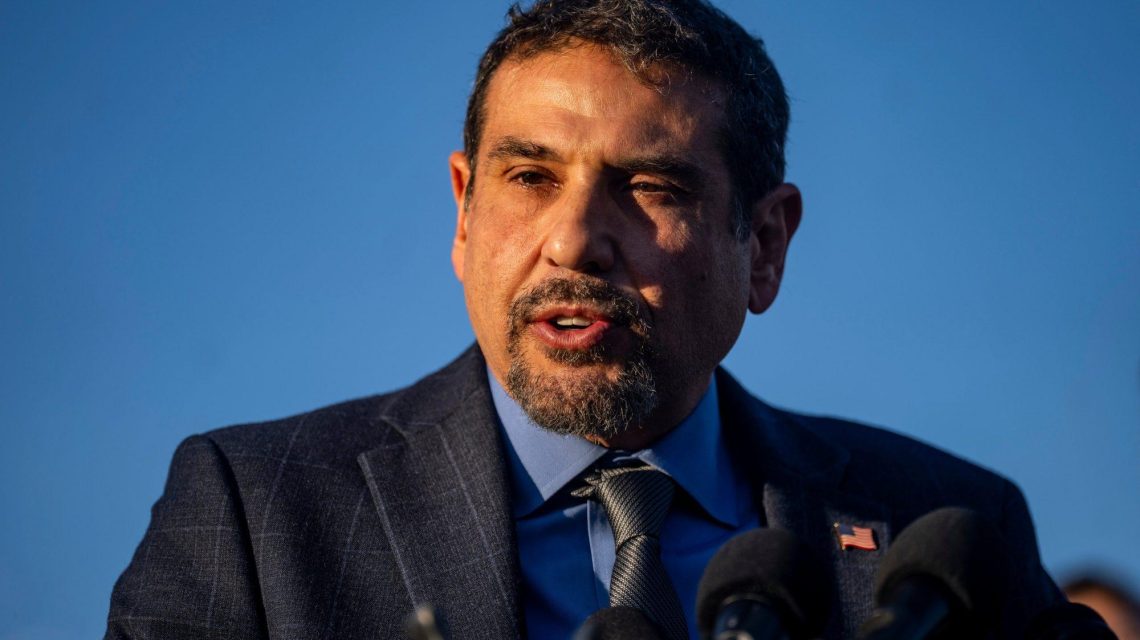
Adam Hamawy, a representative-elect from New Jersey, has recently stirred controversy with his remarks on U.S.-Iran relations. During his CNN appearance, he refrained from labeling Iran as an adversary, suggesting instead that the U.S. prompted the conflict. Host Pamela Brown highlighted Iran’s long-standing antagonistic chant, “death to America.” Hamawy responded by asserting that a similar sentiment towards Iran exists in the U.S. This raised questions regarding his views.
Critics question how the Democratic Party came to back a candidate avoiding acknowledgment of Iran’s hostile actions. Jonathan Levine, a Washington Free Beacon reporter, actively criticized Hamawy during his campaign, highlighting his alleged ties to Islamic terrorism. Despite Levine’s efforts, other candidates and the party refrained from acting, fearing accusations of Islamophobia.
The Democratic Socialists of America and other leftist activists have significantly impacted Democratic politics, challenging the party’s traditional structure. These activists are committed to transforming the party and have the support of well-organized campaigns with resources such as design teams and fundraising networks. Notably, Hamawy’s campaign received approximately $1.8 million in support from external entities, giving him a distinct advantage in the primaries.
In Michigan, the political landscape illustrates similar dynamics. The Senate Majority PAC, linked to Chuck Schumer, funded Abdul El-Sayed’s Senate bid. Post-election, El-Sayed suggested a need for new leadership, reflecting the shifting allegiances within the party.
This emerging political pattern reveals a fear among Democratic leaders of confronting their left-wing counterparts. The party continues to invest heavily in candidates aiming to reform party leadership instead of defending the status quo.
 Mayor Mamdani’s Policing Reform Plans
 Gen Z Voter Shifts and Their Impact on the 2026 Midterm Elections
 Disappearance of US Senate Candidate Raises Questions
 DOJ Rule Change Reduces Appeal Time for Immigrants Facing Deportation
 Hakeem Jeffries’ Bid for House Speaker Faces Progressive Hurdles
 Ohio Judge Dismisses Defamation Lawsuit by Rep. Max Miller