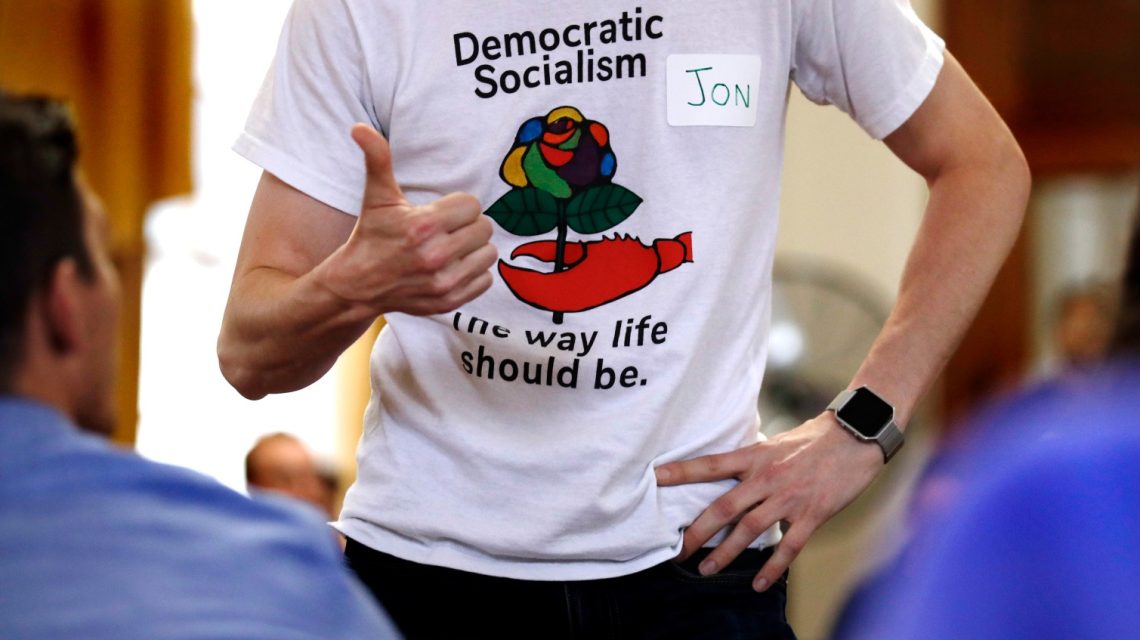
Recent elections have seen progressive candidates rise in prominence within the Democratic Party. Polls indicate some policy positions from the Democratic Socialists of America (DSA) resonate even outside the party’s left wing, appealing to independents and some Republicans.
A series of recent primary victories by democratic socialist and DSA-backed candidates has reignited discussions about the Democratic Party’s future direction.
Notably, after losses in the 2024 elections where Republicans took control of the White House and Congress, debates intensified regarding the party’s strategy and stance. In Colorado, Melat Kiros won over Representative Diana DeGette in a close congressional primary. Meanwhile, New York saw Claire Valdez and Darializa Avila Chevalier secure Democratic nominations in races that tested the influence of the democratic socialist movement.
Critics question whether these candidates align with wider electorate views, suggesting the risk of alienating moderates and pushing them toward Republican options. Costs and realism of the proposals also come under scrutiny. Supporters argue these candidates address frustrations with the political establishment, promoting policies that reflect common concerns.
Public Support for Socialism-Linked Policies
Recent surveys show multiple policies from the democratic socialist movement, such as universal healthcare and higher taxes on the wealthy, gain notable public backing. However, ideas such as defunding or abolishing police departments remain unpopular.
Independent voters are divided on whether to support democratic socialist or MAGA-aligned candidates. Reuters/Ipsos polls reveal 22% of independents favor democratic socialist candidates, while 25% support MAGA candidates. Disinterest in candidates sees a gap; 43% opposed democratic socialist candidates compared to 59% against MAGA candidates.
Public opinion on individual issues doesn’t directly translate to full DSA platform support. DSA proposes public ownership of industries and abolishing the Senate, among other initiatives. This analysis evaluates five key proposals generating public debate.
Healthcare Policy Support
Universal healthcare is a major agenda item for DSA, advocating healthcare without patient costs, more investment in hospitals, and publicly funded medical education. Surveys suggest popular voter support for these objectives.
Michigan Democratic Senate nominee Abdul El-Sayed campaigns on Medicare for All, supported by figures like Bernie Sanders and Alexandria Ocasio-Cortez. Despite not being a DSA member, El-Sayed champions progressive issues.
Polling indicates broad backing for healthcare reforms, with a Reuters/Ipsos survey showing 60% of independents support government-provided healthcare.
Opponents argue Medicare for All entails high costs, increased federal oversight, and a transition away from employer-sponsored insurance plans. Despite criticisms, a Data for Progress poll among likely voters found 65% support for Medicare for All.
Tax Policies for Corporations and Billionaires
DSA advocates for higher taxes on wealthy individuals and corporations to fund public services and infrastructure. Polling suggests broad public approval for these tax increases.
A Reuters/Ipsos survey finds 64% of independents back raising taxes on corporations and billionaires. Despite enthusiasm, opponents warn of potential negative impacts on investment and growth.
According to polls by Economist/YouGov and Gallup, a majority of Americans and Democrats support increased taxation on the wealthy.
Sustaining Palestinian Statehood Support
DSA calls for a recognition of Palestinian rights, an end to U.S. military aid to Israel, and prosecution of leaders over alleged genocide. Public views shift regarding Israel and Palestinians; favorability polls indicate growing sympathy toward Palestinian territories.
Recent polling reports Americans increasingly favor a Palestinian state. Debates over aid to Israel remain controversial, yet opinion polls show growing support for Palestinian self-determination.
Pew Research and other surveys show declining support for additional U.S. aid to Israel, suggesting shifting public perspectives.
Abolition of ICE
Calls to abolish Immigration and Customs Enforcement (ICE) form a part of DSA’s agenda. Immigration enforcement remains a contentious national issue.
Economist/YouGov found majority Democrat and independent support for abolishing ICE, while Republican views remain more divided. Recent NPR/PBS News polls reflect rising criticism of ICE’s enforcement practices.
Defunding the Police
The campaign to defund police departments began after national unrest in 2020, yet the slogan lost traction amid concerns about political damage. While police reform sees support, ideas to defund remain divisive.
DSA continues to advocate for redirecting police funds toward community services, though implementing such change is acknowledged as gradual.
Public polling typically centers on broader police reforms rather than outright defunding; Gallup highlights Americans favoring changes to policing but less support for department abolition.
Contact Newsweek editors for this story: Jason Lemon and Anthony Murray.
 The Trump Team’s Challenge to the Military Leadership
  Maryland First State to Restrict Electronic Pricing in Grocery Stores
  Activists Push for Nationwide Ban on Child Marriage in the U.S.
  Democratic Hopes and Historical Warnings in 2026 Senate Race
  Republicans Face Challenges Amidst Cost of Living Concerns
  A Different Kind of Fall for Congress This Year