
Hasan Piker, a socialist streamer, has stirred controversy with comments about American Jews and Israel. Mainstream Democrats face pressure to distance themselves from him while recognizing they might need his influence.
Piker’s remarks suggested that identifying American Jews too closely with Israel could lead to harmful actions. He clarified that he wasn’t promoting violence but warning against conflation. Despite condemnation from Democrats, politicians have engaged with Piker. This raises questions about why they sought his platform initially.
The simple answer is his vast audience. Piker connects with young individuals who don’t typically engage with traditional media or political programs. However, his appeal isn’t solely due to audience size. When politicians appear on his stream, they seek more than just viewers. They aim to tap into the relationship he has cultivated with them.
Many young viewers feel disheartened by housing challenges, dating difficulties, and looming threats to democracy and climate. Piker offers clarity by blaming capitalism, billionaires, and political figures for societal issues, providing explanations and assigning blame. This approach resonates because certainty is comforting compared to the unknown.
For some, anger is easier to process than anxiety. Feeling wronged by an identifiable source replaces distress with empowerment. Although politics alone can’t account for Piker’s appeal, his consistent presence does. He interacts daily, blending humor, irritation, and political discourse. This ongoing engagement fosters familiarity.
Labeling this as a parasocial relationship simplifies what can be substantial. For those who are lonely, disillusioned, or online frequently, this connection matters. Piker’s controversy might not significantly harm him. Critics underestimating the bond he shares with viewers could overlook why some support him.
There are parallels on the political right, where followers defend controversial figures. For Democrats, Piker’s audience is valuable. He reaches young voters resistant to traditional political approaches. This dual need to critique him while craving his influence complicates their stance.
Politicians can’t expect viewers to transfer their loyalty from Piker to them. While sitting down with him might provide exposure, it doesn’t replicate the trust he has built over time with his audience. Piker’s language resonates with them due to years of shared exchanges, jokes, and grievances.
Piker reverses traditional media dynamics by not requiring a politician for relevance. Instead, politicians seek him to engage with audiences otherwise uninterested. While Democrats may consider distancing themselves or dismissing recent statements, this doesn’t resolve why Piker became pivotal at all.
His ability to offer meaning amidst confusion and community around it draws Democrats to his platform. The connection behind his numbers is what intrigues them, making his influence difficult to ignore.
 Push for Reparations Faces Challenges and Calls for Strict Eligibility
 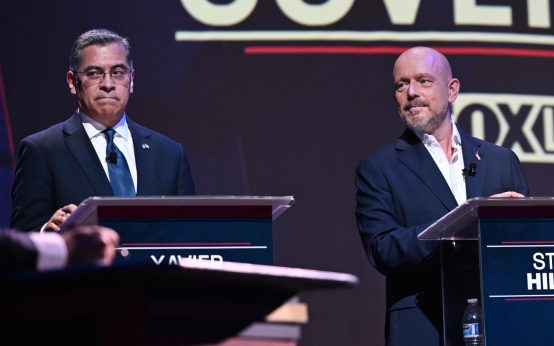 Xavier Becerra and Steve Hilton Debate on California’s Future
 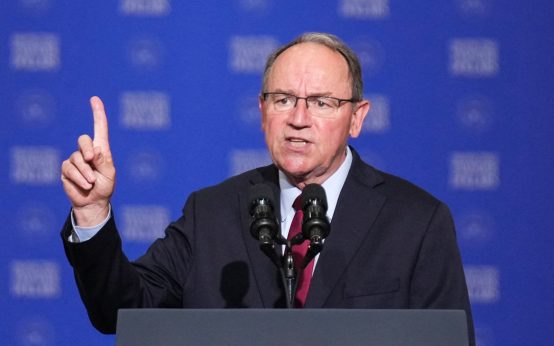 Wisconsin Gubernatorial Race: Tiffany vs. Crowley in a Tight Contest
 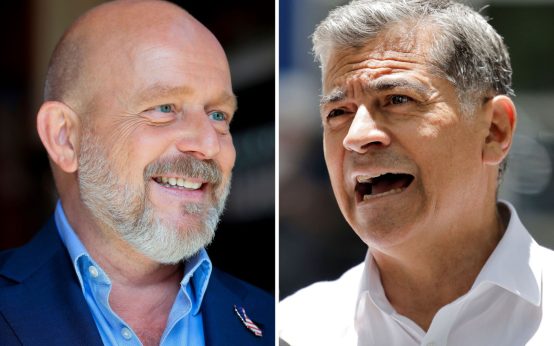 California Gubernatorial Debate: Becerra vs Hilton
 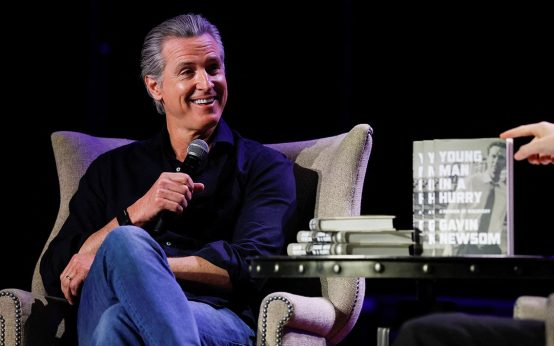 Gavin Newsom Seeks Inspiration from Bill Clinton for Potential Presidential Run
  California Superintendent Candidate Stands Firm Against Teachers Union Criticism