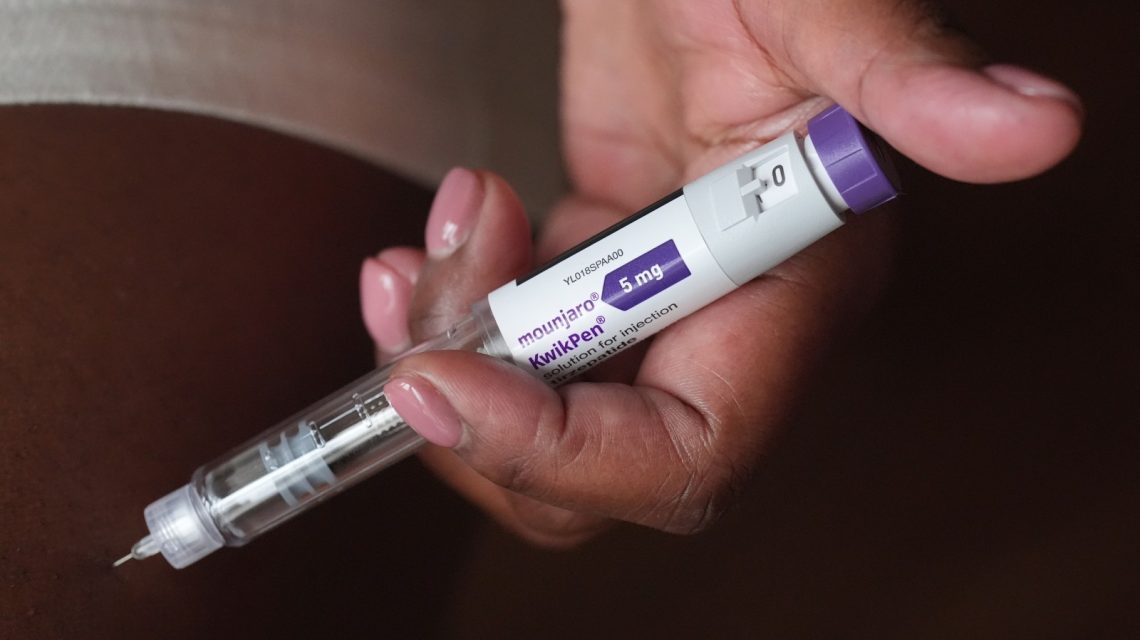
As the use of weight loss drugs such as GLP-1s to manage type 2 diabetes and obesity becomes more common, pharmacists and experts have emphasized the importance of maintaining proper nutrition. Popular drugs like Ozempic and Wegovy have seen one in eight Americans using them by March 2026, according to Statista. Although obesity rates have declined, factors beyond medication may contribute to these changes.
These medications work by reducing appetite significantly, which can lead to nutritional concerns. Dr. Fatima Cody Stanford from Harvard University highlights the risk of undernutrition if dietary habits are not carefully managed. Patients may consume insufficient protein, risking lean muscle mass loss during weight reduction. Key micronutrients like vitamin D, calcium, iron, and B vitamins might also be deficient due to decreased food intake.
The physical effects of undernutrition, such as fatigue or dizziness, can occur if patients miss meals or fast for extended periods. Dr. Stanford also notes concerns over bone density and muscle mass loss if protein intake and resistance exercise are lacking. As the medications do not differentiate between fat and lean mass, proper nutrition is essential to avoid losing both. Potential gastrointestinal side effects can further limit food consumption, exacerbating nutritional gaps.
Despite their effectiveness, experts urge attention to diet and overall health when using GLP-1 medication. Pharmacist Sobia Qasim from the online U.K. pharmacy Curely reiterates that consuming smaller meal portions means each meal carries more significance. The goal should focus on losing body fat while preserving muscle and strength.
What Foods Should You Eat While Using GLP-1s?
Dr. Stanford outlines several principles for patients on GLP-1s:
- Prioritize protein to maintain muscle mass
- Eat small, regular meals to avoid undernutrition
- Stay well-hydrated
- Limit highly processed and sugary foods
- Consider supplementing certain vitamins
- Combine nutrition with resistance training for muscle and metabolic health
GLP-1 medications should be part of a comprehensive treatment plan including nutrition, physical activity, and behavioral support. Stanford agrees with pharmacists at Curely on focusing on nutrient-dense, protein-rich foods. Suggested foods include edamame, fish, yogurt, seeds, and legumes, providing high nutritional value in small portions.
Dr. John Batsis from the University of North Carolina adds recommendations such as eggs, cottage cheese, Greek yogurt, milk or fortified soy milk, fish, poultry, lean meats, beans, and nut butters. Dietary preferences, medical conditions, and gastrointestinal tolerance will influence the best choices, emphasizing the importance of working with a dietitian.
Everyday Food Substitutions for GLP-1 Users
Pharmacists at Curely suggest everyday food substitutions to maximize nutrient intake for GLP-1 users. Viewing weight-loss medication as part of a broader lifestyle approach, a varied, nutrient-rich diet combined with physical activity enhances long-term treatment benefits.
Broader Dietary Advice
Dr. Stanford advises patients to consider overall dietary patterns in addition to specific foods. Each meal should include a lean protein source, such as fish, poultry, eggs, dairy, or plant proteins. A varied diet of fruits and vegetables provides essential fiber, vitamins, and minerals.
Whole grains and legumes offer sustained energy and improve gut health. Healthy fats from nuts, seeds, and olive oil contribute to satiety and nutrient absorption. Patients should build balanced eating patterns that consistently meet protein and micronutrient needs.
Dr. Batsis echoes the importance of focusing on dietary patterns over specific foods. Smaller meals may be easier to tolerate when nausea or early fullness occurs. Avoiding foods with little nutritional value and incorporating resistance exercise helps preserve muscle.
Persistent vomiting, inability to maintain hydration, or severely limited food intake should prompt discussions with prescribing clinicians or dietitians.
 Increased Funding Needed for Psychiatric Hospitals
  Trump Administration Distributes ACA Refund Checks
  Higher Consumption of Ultra-Processed Foods Linked to Increased Health Risks
  Understanding Inflammation: Myths and Facts
  Calm Parenting: Strategies to Manage Stress
  Trump’s Executive Order to Combat Mosquitoes and Ticks in D.C.