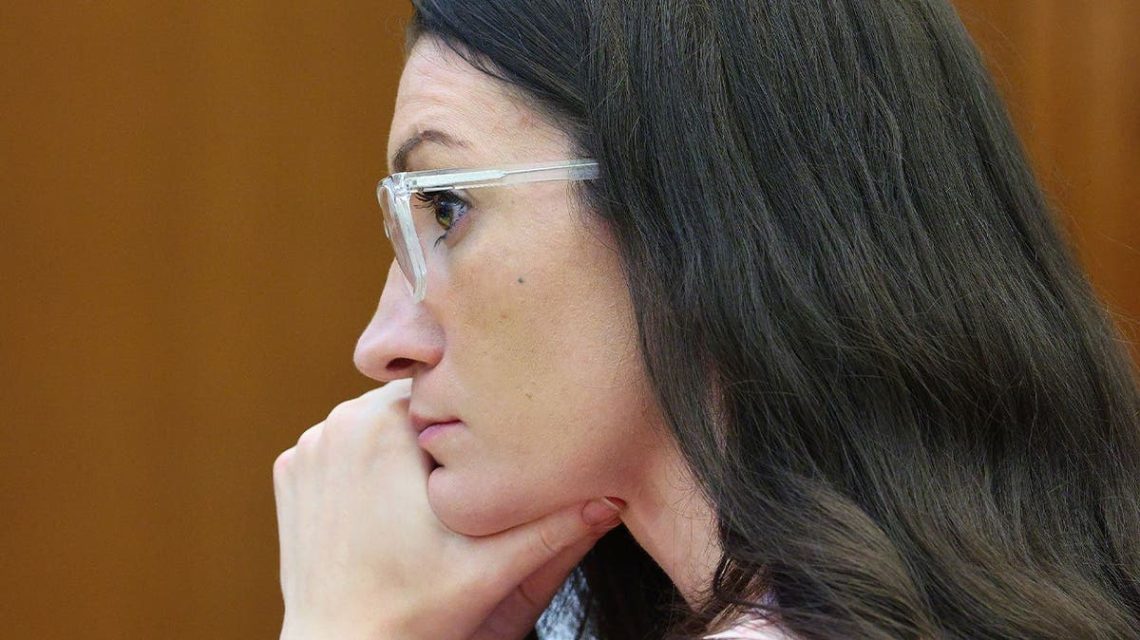
A legal debate has escalated in Lindsay Clancy’s murder trial, centered around a TikTok video. Clancy’s defense team has petitioned to add a former staff member from a mental hospital to the witness list. This person publicly accused other witnesses of delivering inaccurate statements about the psychiatric facility where Clancy obtained treatment weeks before the tragic incident involving her three children.
Defense attorney Kevin Reddington requested Judge William Sullivan to include Emily Thorndike, a former clinical social worker at McLean Hospital, as a witness. Reddington contends Thorndike’s experience in the same short-term unit challenges perceptions of McLean as a luxurious facility with abundant treatment options, implying Clancy declined unnecessary care.
Thorndike’s remarks arose after a prosecutor suggested McLean resembles a five-star institution. This depiction involved numerous professionals allegedly trying to reach Clancy, who was perceived to refuse treatment, which Reddington disputes.
Clancy faces charges of first-degree murder for the deaths of her three children. Her defense seeks to provide a realistic picture of the hospital’s services.
Reddington tracked Thorndike via TikTok after she criticized alleged false portrayals from the witness stand. Prosecutors argue Thorndike left McLean a year before Clancy’s stay, and lacks direct knowledge of her treatment.
Judge Sullivan voiced skepticism about allowing a debate over McLean’s ratings, referencing the dispute as unsuitable for a platform like Tripadvisor. However, the judge acknowledged that staffing and available programs merit further consideration, leaving Thorndike’s potential testimony undecided.
The witness debate unfolded before jurors heard Lindsay Clancy’s messages to psychiatric nurse practitioner Rebecca Jollotta. These messages reflect Clancy’s struggle with medication, insomnia, and intrusive thoughts.
On November 30, Clancy expressed deepening depression and feelings of hopelessness, though she clarified not being suicidal. By December 1, she reported experiencing alarming intrusive thoughts and sought adjustments to her medication.
Additional messages demonstrate Clancy’s intensified fear during medication changes. On December 2, Clancy shared waking with troubling thoughts and a willingness to explore any remedy, while noting a sense of numbness.
December 3 messages reveal Clancy’s experience without Ativan, detailing severe intrusive thoughts and profound depression. Conversely, upon resuming Ativan, Clancy reported an absence of such distress.
Jollotta interpreted Clancy’s communications as indicators of depression and inability to feel pleasure, rather than suicidal intent, and did not advise visiting the emergency room.
 Lindsay Clancy Faces Potential Retrial After Mistrial
  Tennessee Prepares for Rare Execution of Woman on Death Row
  Mistrial in Lindsay Clancy Case: Juror Speaks Out
  Utah Judge Orders Release of Man on Death Row After DNA Evidence Emerges
  Kurt Olsen Resigns from the Justice Department Amid Investigation
  New Developments in Cornell University Fraternity House Assault Case