DuPage and Cook County officials have unveiled a major project designed to shift the control of Lake Michigan water supply to suburban areas. The collaboration between the DuPage Water Commission and the Northwest Suburban Municipal Joint Action Water Agency plans to construct a water intake, purification station, and tunnel system across two counties. This initiative, called the Lake Michigan Regional Water Supply Initiative, is expected to take 15 years and cost up to $6 billion, benefiting more than 30 communities.
Jim Zay, the commission board Chair, highlighted the plan as a significant step forward. He described it as a modern water system that will ensure a reliable, sustainable water supply. Despite these announcements, Chicago city officials expressed skepticism. A representative for Mayor Brandon Johnson noted that any changes would necessitate new state legislation, an extensive permitting process, and additional public funding.
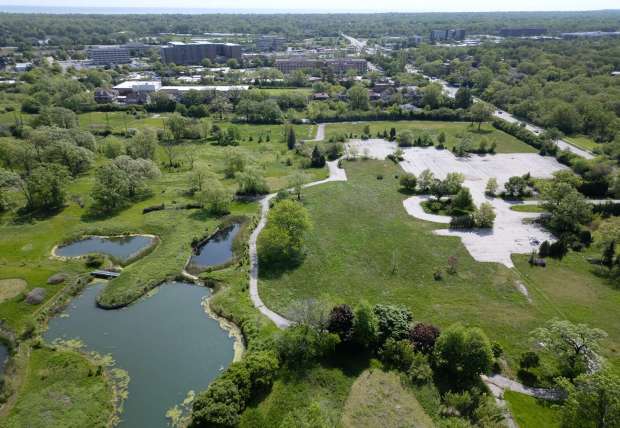
The mayor’s office emphasized ongoing discussions with stakeholders about maintaining a dependable water supply. The project also received a $1 million Community Project Funding award with the support of U.S. Rep. Raja Krishnamoorthi. The commission had previously acquired the former Green Acres Golf Club in Northbrook, which will now play a pivotal role in the new water supply plan.
Schaumburg Democrat Krishnamoorthi stressed the need for safe drinking water, free of contaminants like microplastics and chemicals such as PFAS and lead. The updated purification system will employ advanced technology to treat water from Lake Michigan. Under the preliminary plans, water will be drawn from Lake Michigan east of Glencoe, treated at a facility in Northbrook, and then delivered via underground tunnels through areas like O’Hare International Airport to the commission’s headquarters in Elmhurst.
Project completion is slated for 2041, aligning with the expiration of the commission’s contract with Chicago. Paul May, General Manager, explained that this infrastructure is designed for future generations and will allow inter-agency support during emergencies. The current water supply is extracted from Lake Michigan and treated at the Jardine Water Purification Plant before reaching the commission.
Zay expressed concerns about current system reliability, citing recent power-related disruptions. He criticized the lack of infrastructure investment by Chicago despite significant payments, including $130 million this year. Local control over the water system could stabilize rates, which have previously seen sharp increases under former Mayor Rahm Emanuel.
Hanover Park Mayor Rod Craig recalled the difficulties caused by past rate hikes. Paul May anticipates competitive pricing based on current rates adjusted for inflation. Looking ahead, the infrastructure may extend services to 20 more communities. This proposal represents a strategic shift in regional water management, promising benefits beyond initial participants.
 Concerns Over Changes to Voter-Registration Form for Americans Abroad
  Trump’s 2024 Campaign Targets Young Men Through Cryptocurrency
  Trump’s White House Visitor Center Proposal Gains Bipartisan Support
  State Department Simplifies Passport Process with Online Applications
  Swiss Glaciers Show Effects of Ice Loss Amid Global Warming
  Climate-Resistant Rock Glaciers: Hidden Water Resources