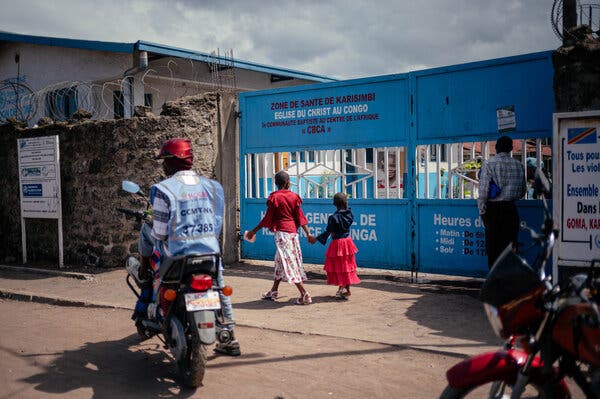
The World Health Organization has declared a global health emergency following an outbreak of the Ebola virus in the Democratic Republic of Congo and Uganda. This declaration comes after approximately 80 fatalities occurred due to the virus in Congo.
On Sunday, the Centers for Disease Control and Prevention (C.D.C.) reported more than 330 suspected cases, with nearly 90 deaths in Congo. The outbreak originated in the northeastern Ituri Province. Laboratory tests confirmed only 10 cases as Ebola, while Uganda reported two confirmed cases.
The World Health Organization classified the outbreak as a ‘public health emergency of international concern.’ Efforts are underway to evacuate a small group of Americans directly affected by the outbreak, according to C.D.C. officials.
The Ebola virus type involved in this outbreak is identified as Bundibugyo. It poses a challenge due to limited field tests and the absence of a targeted vaccine or treatment, heightening the barriers to effectively managing the situation.
Understanding Ebola
Ebola is a disease caused by a group of viruses known as orthoebolaviruses. The virus was first identified in 1976 in regions of present-day South Sudan and the Democratic Republic of Congo, near the Ebola River. The Zaire Ebola virus species is the most prevalent type.
 Increased Funding Needed for Psychiatric Hospitals
  Trump Administration Distributes ACA Refund Checks
  Higher Consumption of Ultra-Processed Foods Linked to Increased Health Risks
  Understanding Inflammation: Myths and Facts
  Calm Parenting: Strategies to Manage Stress
 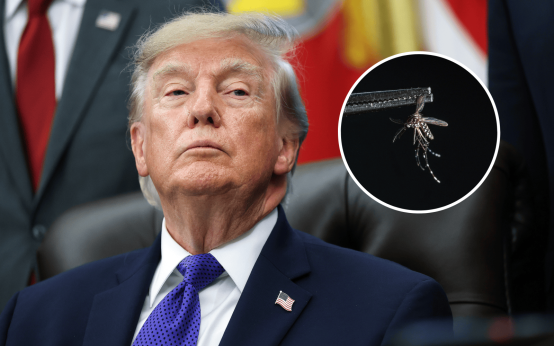 Trump’s Executive Order to Combat Mosquitoes and Ticks in D.C.