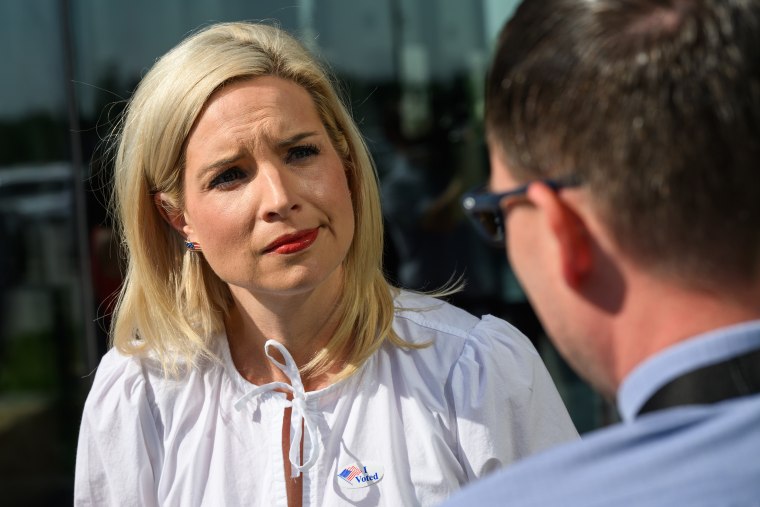
Economic concerns dominate the discussions among undecided voters in Iowa and Georgia. These states play a crucial role in the upcoming Senate races as Election Day approaches. Patty O., a Georgia Republican who supported Donald Trump in 2024, expressed dissatisfaction with the rising cost of living. “Nothing has improved regarding inflation or the price of essentials like food and gas,” she noted.
Syracuse University, along with research firms Engagious and Sago, conducted focus groups with a mix of independents, Republicans, and one Democrat. Out of the twelve participants, nine had voted for Trump previously. However, only three felt less anxious about the economy under his recent administration.
Focus Group Insights
The participants aired their economic worries, reflecting broader polling trends that highlight concerns over the state of the economy and Trump’s management of it. Rich Thau of Engagious, who led the focus groups, emphasized that economic anxiety was a key issue, overshadowing other topics like international conflicts or immigration.
Economic Anxiety
“It feels like the economy is the main issue on our minds this election,” noted one voter.
Eight of the 12 undecided voters expressed disapproval of Trump’s performance, despite many having supported him previously. Criticisms largely centered on economic management. Jamie G., an Iowa independent, voiced disillusionment with Trump’s lack of conflict resolution and the perceived impact of tariffs on prices.
Not all sentiments were negative. Tyler R., a 24-year-old Republican from Iowa, appreciated Trump’s immigration policies and efforts to engage diplomatically with Russia but remained frustrated by rising tariffs and the economic impact of conflicts.
Mixed Views on Trump’s Policies
While some voters noted personal financial gains from stock market increases under Trump’s administration, they also felt these did not balance out broader economic issues. Jennifer B., an Iowa independent, voiced frustration over Trump’s economic focus, citing unfulfilled promises.
Economic challenges pervaded daily life for these voters. They mentioned rising costs for healthcare, utilities, and food. Reduced discretionary spending and lifestyle changes illustrate the economic strain. Sarah M., an Iowa independent formerly aligned with Democrats, lamented increased taxes and grocery prices.
Voters expressed broader concerns, like escalating utility bills and the impact of international conflicts on supply chains. Drew G. from Georgia pointed to the Strait of Hormuz’s closure affecting gas prices. Others underscored the link between international conflicts and economic hardship.
Midterm Election Decisions
The groups exhibited a range of views on the upcoming midterms. Although a majority disapproved of Trump and expressed economic anxiety, there was no clear indication that these sentiments would shift the balance of power towards Democrats. Margaret Talev from Syracuse University highlighted frustrations with Trump but cautioned against assuming anti-Trump sentiment would translate to Democratic victories.
Tyler R., although generally supportive of Trump, was open to Democratic candidates, citing political polarization as a problem. Despite potential inclinations towards collaboration, Tyler and others struggled to identify key Democratic figures in their races.
For the governor’s race in Iowa, some panelists voiced support for Democratic candidate Rob Sand, highlighting perceived bipartisanship. Conversely, concerns about deeply liberal policies tempered enthusiasm for the wider Democratic agenda.
In Georgia, voters remained undecided between candidates in the Senate race, with limited knowledge of Republican and Democratic candidates. However, the economic priority was evident, with a Republican gubernatorial candidate and businessman, Rick Jackson, gaining interest due to his business success story.
Issues like the environment and data center infrastructures emerged in voters’ considerations, reflecting diverse economic impacts in the state. Despite this, economic considerations remained paramount for voters like Alice N., a Georgia Republican. “I’m inclined to support leaders who aim to tackle economic challenges,” she asserted.
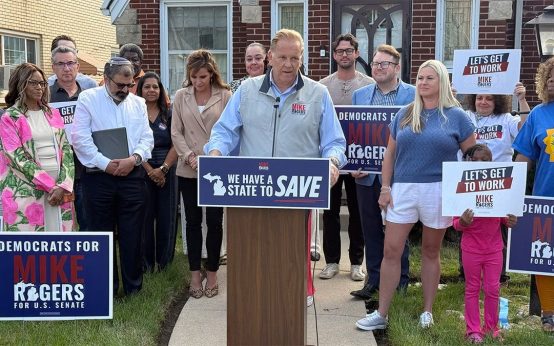 Republican Mike Rogers Courts Disenchanted Michigan Democrats in Senate Race
  Angel Dad Joins ICE to Advocate for Victims of Immigration Crimes
 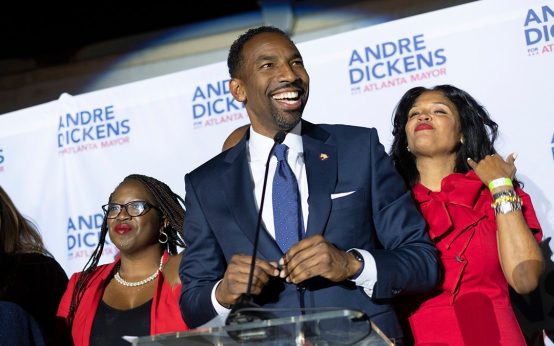 Atlanta Mayor Faces Criticism Over Social Media Exchange
  Expert Insights on Vaccine Guidelines and Health Concerns
 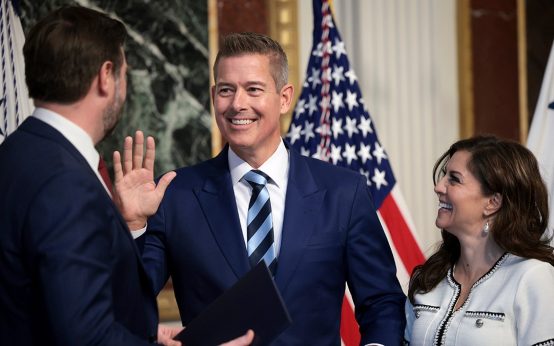 Transportation Secretary Raises Concerns Over Daughter’s Potential Harvard Enrollment
  GSA Opposes Bill Granting Judiciary Property Control