
Two Democratic legislators introduced a bill aimed at reversing the decision made by the Trump administration to terminate a subsidy program related to Medicare prescription drugs. This initiative intends to extend the program until 2029. Representatives Kathy Castor of Florida and Terri Sewell from Alabama presented the Affordable Premiums for Seniors Act recently. The legislation seeks to prolong the Medicare Part D Premium Stabilization Demonstration beyond 2026.
The Centers for Medicare & Medicaid Services (CMS) had announced earlier that they would end the program by the end of next year. Castor expressed concerns, noting that increasing prescription drug costs add to the financial burden on older residents.
“Every trip to the grocery store and every monthly bill is increasingly painful for my older neighbors. The added strain of higher prescription drug costs is the last thing they need, so I will fight to reverse a recent HHS scheme to increase Medicare prescription drug costs for seniors and people with disabilities,” Castor said in a statement.
She emphasized that the legislation would help maintain affordable premiums, ensuring health care costs remain predictable for seniors who have worked hard for their benefits.
Why It Matters
Roughly 25 million people were registered in standalone Medicare Part D drug plans in 2026, based on data from the Kaiser Family Foundation. Without the stabilization program, some beneficiaries could face substantial premium increases in 2027. Many retirees, already struggling with rising living costs, could find medication coverage less affordable.
CMS established the subsidy in 2025 following modifications introduced by the Inflation Reduction Act. This act reformed the Medicare prescription drug benefit by implementing a $2,000 annual cap on out-of-pocket prescription drug costs and making other adjustments.
“This is about what they pay each month for standalone Part D drug coverage. The stabilization program absorbed some of the shock while insurers adjusted to major changes in Medicare Part D. Ending it removes that cushion,” explained Michael Ryan, a finance expert.
Supporters of the extension argue that the program has helped stabilize premiums, offering seniors consistent costs. For people on fixed incomes, even a small increase of $10 to $20 monthly is significant.
What the Bill Would Do
If passed, the Affordable Premiums for Seniors Act would:
- Extend the Medicare Part D Premium Stabilization Demonstration to 2029.
- Preserve federal premium assistance for standalone Medicare Part D plans.
- Aim to maintain lower prescription drug premiums for beneficiaries.
- Reverse the decision to terminate the program after 2026.
“Lowering premiums for people at the lower end of the income spectrum, particularly those who rely heavily on prescription drugs, is a definite benefit for beneficiaries living on fixed incomes,” stated Kevin Thompson, CEO of 9i Capital Group.
MedPAC reports that the subsidy saved seniors an average of $312 in 2026. With seniors already facing increasing costs for essentials, the act seeks to prevent higher premiums and ensure financial stability.
How the Medicare Part D Premium Stabilization Program Worked
CMS announced in July that they would conclude the demonstration program, citing that insurers had enough experience with the redesigned Part D benefit. Mehmet Oz, the CMS administrator, defended the decision, noting that the subsidies were an unnecessary bailout for insurers.
“We are stabilizing the market so this bailout is no longer needed,” Oz remarked, mentioning that premiums would slightly rise for most Medicare recipients.
What Happens Next
The legislation faces challenges in a Republican-controlled Congress and requires approval from both chambers. Medicare beneficiaries are awaiting announcements regarding final 2027 Part D premiums to assess potential cost changes.
“Democrats simply don’t have the votes, and Republicans currently hold congressional power. Without bipartisan support, extending the subsidy will be difficult,” noted Thompson.
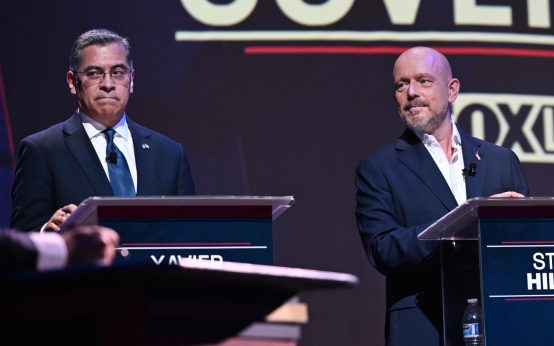 Xavier Becerra and Steve Hilton Debate on California’s Future
 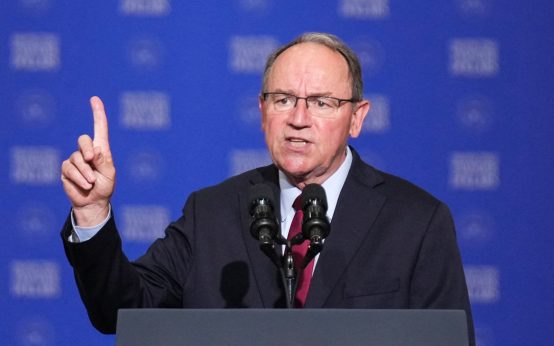 Wisconsin Gubernatorial Race: Tiffany vs. Crowley in a Tight Contest
 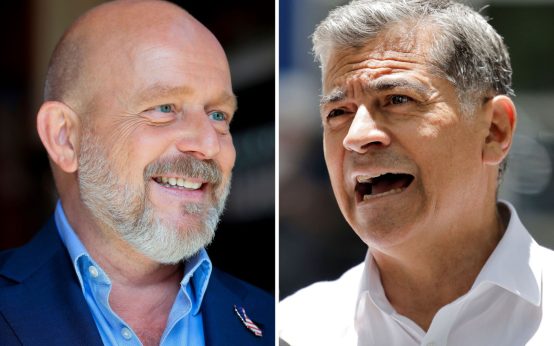 California Gubernatorial Debate: Becerra vs Hilton
 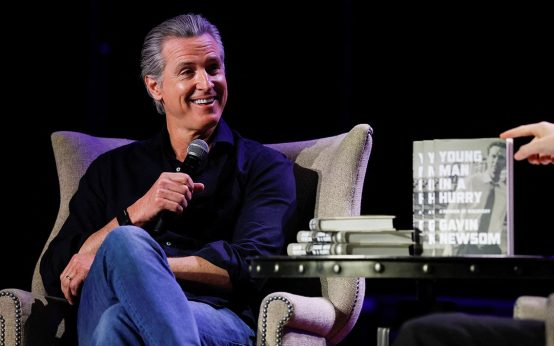 Gavin Newsom Seeks Inspiration from Bill Clinton for Potential Presidential Run
  California Superintendent Candidate Stands Firm Against Teachers Union Criticism
  Trump Highlights Investment Amid Economic Concerns