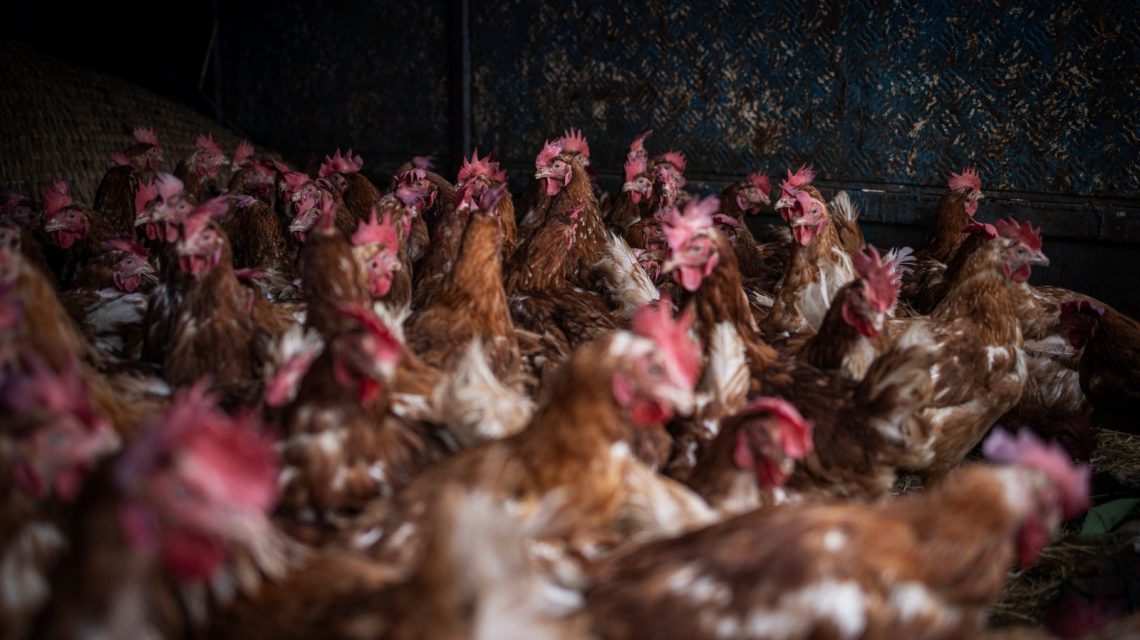
Kalkidan Nigussie, dedicated to enhancing poultry farming in Africa, highlights a dual-focused approach: both chickens and eggs bear importance. Since launching the ‘Egg Hub’ initiative in Malawi in 2018, Nigussie has collaborated with small-scale farmers across Africa, training nearly 190 individuals to produce over 15 million eggs in Malawi and Ethiopia. The initiative is set to expand into Rwanda and Senegal.
In a phone interview from Malawi, Nigussie shared insights into the program’s impact. Supported by Sight and Life, a Swiss-based think tank, the initiative provides essential resources. Farmers receive training, quality feed, at least 500 birds, and interest-free loans. Notably, half of these farmers are women with basic poultry experience.
Eggs offer a nutrient-rich, cost-effective source of protein. They play a vital role in addressing nutrition gaps, particularly in Africa, where the United Nations reports over half the population faces moderate or severe food insecurity. The U.N. projects that by 2025, approximately 67 percent of Africans might struggle to afford a nutritious diet.
Conflicts, global aid reductions, and extreme weather events, predicted for 2026 and 2027, are expected to exacerbate hunger and food insecurity, particularly in sub-Saharan Africa.
According to a European Commission report in September, by 2030, up to 520 million people could face hunger, with over half residing in Africa.
Moving Towards Long-Term Solutions
Sustainable approaches to resilience against climate shocks or conflict-driven food price fluctuations are essential, stated Sufia Askari, Sight and Life’s managing director. She emphasized the importance of long-term solutions over quick fixes. The foundation partners with local authorities and U.N. entities, striving to expand Malawi’s program from 12 farms to 63 this year. Recruitment of poultry farmers in Senegal and Rwanda has commenced.
Nigussie noted the transformation: farmers now raise birds that lay up to 300 eggs annually, compared to previous yields of 40 eggs. The effects on livelihoods and food security in affiliated villages are profound. Egg consumption among women and children in Malawi has risen; egg prices have decreased, and farmer earnings have tripled.
Nigussie described a farmer’s journey from survival mode to thriving business, empowered by structured knowledge and support. This farmer successfully repaid her loan, completed three production cycles, and doubled her income. She reinvested earnings in building additional sheds and acquired small vehicles for egg transportation.
Such stories have made a lasting impression on Nigussie, witnessing farmers repay financing, bolster household support, and reinvest in growth opportunities.
For further inquiries, contact Newsweek editor Mike Hirst regarding this story.