
President Donald Trump announced that Middle East allies are on the verge of finalizing a peace agreement to end the ongoing conflict with Iran. In a social media post on Saturday evening, Trump stated that he would postpone ordering new strikes in the months-old war.
Trump emphasized that the proposed agreement would ensure the complete reopening of the Hormuz Strait and terminate Iran’s nuclear threats. He explained his decision was aimed at benefiting global interests and ensuring prosperous relations with Iran. He remarked, “Based on this request, I have agreed, for the future benefit of the WORLD and, likewise, the survival of a successful and prosperous Iran, to cancel the attack, subject to being able to rapidly make a DEAL.”
Israel has committed to joining the U.S. to finalize the peace deal with Iran. As of the announcement, Iran has yet to publicly respond to Trump’s statements, highlighting a significant shift in the five-month conflict.
The surprise disclosure follows Trump’s recent comments suggesting a readiness to intensify military strikes to push Iran into negotiations. The conflict began with joint U.S. and Israeli attacks on February 28, aimed at disabling Iran’s missile capabilities, curbing nuclear ambitions, and ending support for militant groups.
An interim truce in mid-June paused hostilities, intended to pave the way for a permanent solution. However, it quickly fell apart when Iran resumed attacks in the Strait of Hormuz.
Earlier Saturday, Saudi Crown Prince Mohammed bin Salman expressed concerns to Trump over potential escalations in the conflict. Axios first reported the discussion, which reflected hesitations around launching strikes on Iran’s infrastructure, fearing retaliatory actions on Gulf countries.
The Saudi official sought clarity from Trump on possible actions against Iran. A White House representative, anonymously, confirmed the conversation but withheld details.
Saudi Arabia recently joined the U.S. in targeting locations used by Iranian-backed militias in Iraq. The nation is pushing for U.S. and Iran negotiations to resolve the conflict. Defense Minister Khalid bin Salman met separately with Trump to discuss strategies, while Israeli Prime Minister Benjamin Netanyahu advocated for continued action against Iran during a White House meeting.
The conflict’s unpopularity poses significant risks for Trump amid approaching midterm elections. Trump’s recent vow to retaliate against thwarted attacks on a U.S. base in Jordan indicated mounting frustration, asserting that the U.S. will intensify efforts in Iran until victory is secured. White House press secretary Karoline Leavitt highlighted Iran’s breach of a truce memorandum by attacking shipping and U.S. soldiers.
Trump’s latest statement prepared officials for potential military escalation, suggesting unprecedented displays of power. Meanwhile, new security advisories were issued by the U.S. State Department for citizens in ten regional countries, warning about travel disruptions due to increasing tensions.
Recently, Kuwait’s military responded to Iranian drone assaults, striking key northern facilities without casualties. The British Navy confirmed separate incidents of tanker attacks in the Strait of Hormuz. The United Kingdom Maritime Trade Organization reported damage to a vessel’s engine room and subsequent explosions near other tankers.
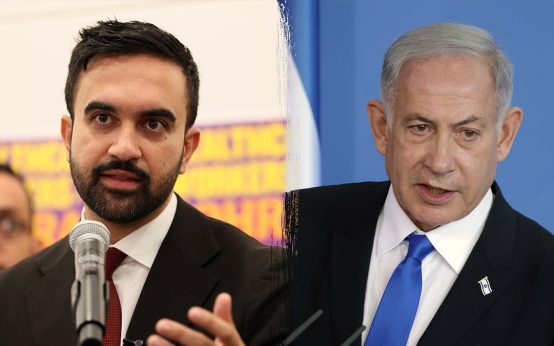 Mayor Mamdani Responds to Netanyahu’s United Nations Speech
 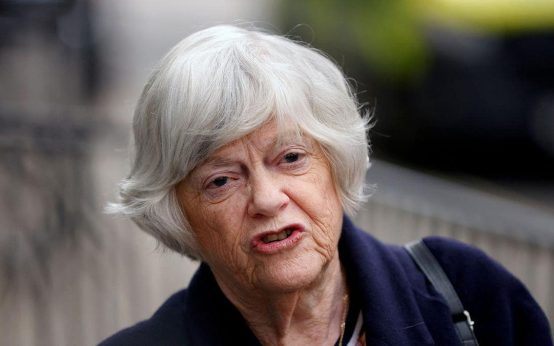 British Prosecutors Charge Man with Terrorism Over Politician’s Murder
 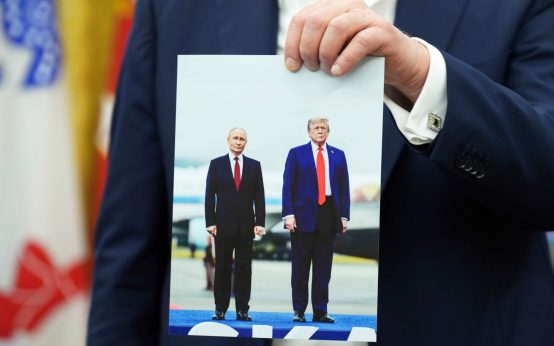 Backlash Against Trump’s White House Photos
 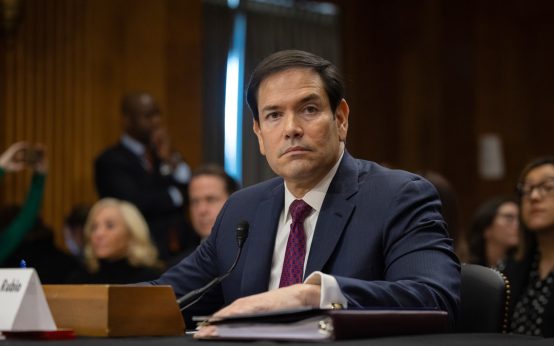 State Department Accuses Senate Democrats of ‘Grandstanding’ Over Venezuela Oil Deal
  EU Plans Deportation of Rejected Asylum Seekers
  British Police Arrest Man Suspected of Terror Plot