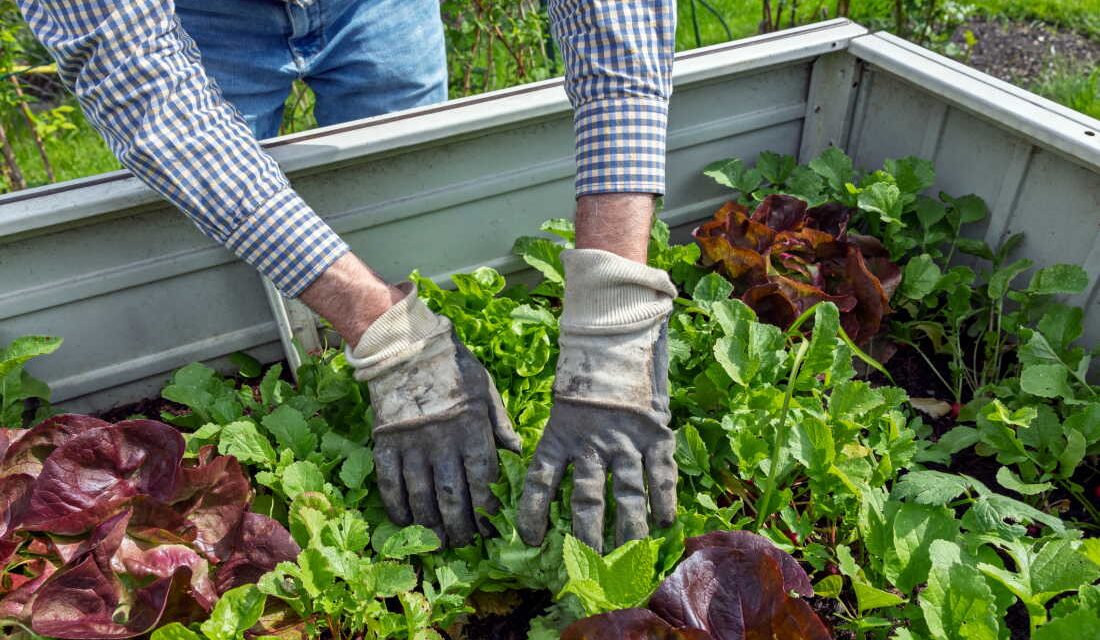
Food safety experts advise washing all fruits and vegetables with water, whether they come from a grocery store or a home garden. Amid rising foodborne illness figures, many consumers turned to local farmers markets or began cultivating their own produce. According to the National Gardening Association, a third of Americans, or 44 million households, now grow some form of fruits or vegetables, marking a steady 4% growth annually over five years.
Is Self-Grown or Locally Sourced Produce Safer?
James Rogers, the director of food safety for Consumer Reports, suggests that safety depends on farming practices more than farm size. Large-scale operations are bound by cleanliness standards and benefit from systems like barcoding to trace contamination efficiently. However, the co-mingling of large volumes of produce can risk widespread contamination if one batch is tainted.
Smaller farms often escape Food and Drug Administration (FDA) regulations regarding irrigation and microorganism testing, resulting in varied farming practices. This variety leads to differing safety approaches, exemplified by gardeners Phil Tocco and Dave Whitinger.
The Cautious Gardener
Phil Tocco, based in Jackson, Michigan, works as an agricultural food safety expert with Michigan State University. His precautions stem from personal experience. His wife acquired amoebic dysentery from small farm-grown lettuce 25 years ago, which continues to affect her health.
Tocco prioritizes keeping his garden free from animals and children, who may introduce pathogens like salmonella, E.coli, or Cyclospora through feces. He avoids using rainwater barrels as they pose a contamination risk. He harvests with sanitized hands and equipment, steers clear of areas with animal droppings, and employs commercial hydroxyacetic acid to sanitize greens. Despite his measures, Tocco believes washing with water alone removes only about 90% of pathogens, potentially leaving enough to cause illness.
An Alternative Perspective
Dave Whitinger from Westlake, Texas, also prioritizes food safety. He chose to grow his lettuce to avoid outbreaks like the one traced to Taylor Farms lettuce in Mexico. This decision aligns with his skepticism towards large agricultural methods, particularly the use of manure.
Whitinger, who manages a family seed business and is the National Gardening Association director, trusts his practices. Without worrying about invisible microbes, he enjoys eating directly from his garden. He avoids washing homegrown lettuce to maintain its texture, highlighting the difficulty of drying it once wet.
General Recommendations for Consumers
Rogers advises consumers to wash all produce with water, regardless of its source. Kitchen contamination from raw meats is another risk. The FDA recommends maintaining clean hands and surfaces, including cutting boards, and ensuring food is cooked to appropriate temperatures to minimize illness risks.
 Understanding Inflammation: Myths and Facts
  Calm Parenting: Strategies to Manage Stress
  Trump’s Executive Order to Combat Mosquitoes and Ticks in D.C.
  Overcoming Weight Loss Challenges: Brain Health and GLP-1 Medications
  Supporting Children’s Mental Health at Home: Practical Steps for Parents
  Abdul El-Sayed’s Strategy to Attract Health-Conscious Voters in Michigan