Escalating U.S. Airstrikes on Iran
The United States has broadened its military operations against Iran after two weeks of intense airstrikes. These recent actions are reminiscent of the early stages of the conflict. A temporary ceasefire agreed upon in June was broken when a battle erupted over control of the Strait of Hormuz, escalating tensions and propelling both nations closer to a larger conflict in the Middle East.
Early Strikes Focus on Coastal Targets
In the initial phase, the U.S. targeted Iran’s navy and coastal defenses. This action aimed to hinder Iran’s capabilities in attacking vessels navigating the critical energy trade route. As the days progressed, U.S. operations expanded to attack infrastructure such as bridges in the south, as well as targets deeper within Iran, reaching the outskirts of Tehran.
The intensity of the recent strikes, while expanded in scope, is not as severe as the campaign at the war’s outset in February. During that time, the U.S., in collaboration with Israel, hit numerous military targets and eliminated key Iranian leaders, including Ayatollah Ali Khamenei.
Casualties and Infrastructure Damage
To date, the Iranian Health Ministry reports 3,434 casualties since hostilities began, with 55 people killed in recent escalations. The latest U.S. operations temporarily disrupted Iran’s transport and communications networks, affecting water services relied upon by thousands.
The U.S. military states its objective is to reduce Iran’s threat to vessels in the Strait of Hormuz. Despite this, Iran has escalated its strikes on ships in the strait and on U.S. bases in nearby Gulf countries. These attacks have resulted in at least four American military deaths and damaged critical infrastructure. Notably, Israel has not been involved in recent U.S. attacks.
Iran Strikes Back
Iran initiated retaliatory strikes shortly after the interim ceasefire was reached. This led to an increase in tit-for-tat attacks. By mid-July, the U.S. had significantly intensified its military actions, implementing a blockade on Iranian ports and deploying advanced weaponry, including naval and sea drones.
The U.S. military’s focus remained on Iran’s coastal provinces such as Khuzestan, Bushehr, and Hormozgan, with Bandar Abbas experiencing the most considerable impact. Strategic locations, including key Gulf islands and naval bases, were targeted to disrupt Iran’s military capabilities.
Further Inland Strikes
The conflict has since moved inland, with U.S. forces targeting military infrastructure believed responsible for assaults on U.S. bases. Facilities in Iranshahr and Khuzestan have been struck, resulting in casualties among Iranian military personnel.
Recent U.S. operations include a strike near Tehran, particularly targeting the Khojir military complex, which plays a crucial role in Iran’s missile production. These strikes serve as a response to Iranian military actions against U.S. interests in the region.
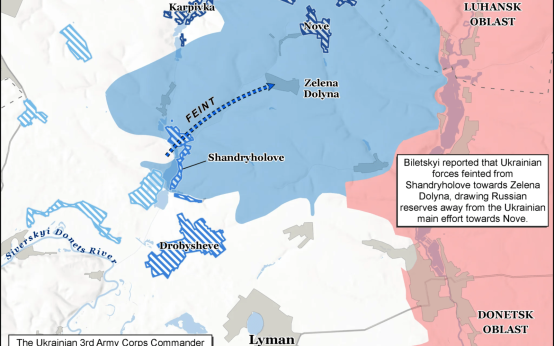 Ukraine Converts APCs to Explosive Devices in Donetsk Offensive
  Dutch Review Board’s Euthanasia Ruling and International Debate
  Israeli PM Commends Heroic Actions in Flight Emergency
  Rabbi and Jewish Leaders Criticize Adam Brody for ‘Genocide’ Comment
  Flydubai’s Emergency Landing Highlights Cockpit Security
  Former Israeli PM Naftali Bennett Commends Passengers and Crew for In-Flight Heroism