For the past fifty years, aspiring U.S. presidents have made a significant diplomatic detour to Jerusalem. This tradition involved visits to symbolic sites like Yad Vashem and meetings with the Israeli prime minister, accompanied by statements endorsing the steadfast U.S.-Israel relationship. In 2008, Barack Obama visited Sderot, discussing local security in terms of his family. In 2012, Mitt Romney left a handwritten prayer in the Western Wall. Such trips signal Jewish and evangelical voters in the U.S. that these politicians support Israel. They also provide politicians without robust foreign policy credentials a chance to appear diplomatic. George W. Bush, the then-Governor of Texas, flew over Israel in a helicopter in 1998 and returned to the U.S. looking more presidential.
Despite Israel being a region of real conflict, it was once considered relatively low-risk for American politicians due to strong bilateral ties. However, there was a notable exception in 1979 when Rev. Jesse Jackson’s public embrace of Yasser Arafat led to long-lasting repercussions for his political career. American Jews were not quick to forget, making it a cautionary tale for others.
“American Jews never forgot the photograph,” the Rev. Jesse Jackson with Yasser Arafat.
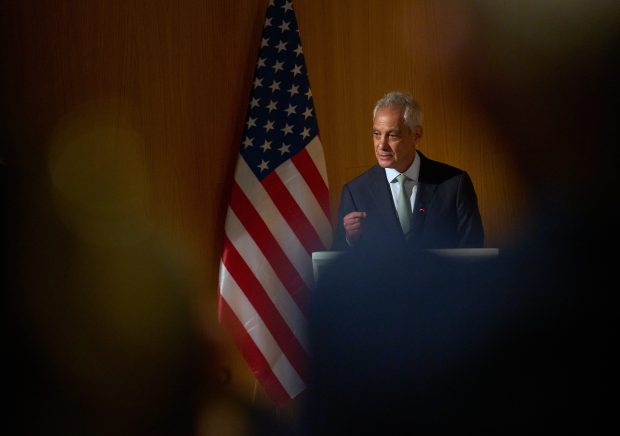
Recent incidents suggest a shift in how U.S. politicians leverage visits to Israel. On July 8, amidst Iranian missile attacks, Rahm Emanuel critiqued Israel’s government at Tel Aviv University. That same day, Rep. Ro Khanna’s visit to a West Bank militarized zone led him to claim captivity by settlers. He used the incident to support his interest in running for president.
Back in Khanna’s district, Israeli-founded companies provide significant economic benefits. Despite this, the district has seen a rise in antisemitic incidents, with local leaders blaming Khanna’s rhetoric. Emanuel’s criticism comes with personal history, as his father participated in Israel’s War of Independence.
Both Emanuel and Khanna seemed influenced by a shift in Democratic primary dynamics. Candidates now often focus on distancing themselves from traditional Israel support to appeal to far-left voters. No major Democratic hopefuls visited Israel in 2020; however, Oct 7, 2023, highlighted Israel as a leading issue.
Neither political figure met with significant Israeli officials during their recent visits, indicating their motives were more about domestic audience relevance than international diplomacy. The role of Israel as a backdrop for political narratives highlights a concerning trend.
Despite current challenges, the U.S.-Israel alliance remains robust, supported by shared strategic interests like the American-funded Iron Dome. This alliance benefits both parties, with the U.S. gaining a reliable ally against regional threats, intelligence sharing, and economic benefits.
Theater, not criticism, threatens this alliance. Politicians are encouraged to explore both Israeli and Palestinian experiences. Visiting diverse places like Haifa University, Hadassah Medical Center, and technology incubators can offer more genuine insights. Such visits should prioritize dialogue over speeches crafted for distant audiences.
 Dutch Review Board’s Euthanasia Ruling and International Debate
  Israeli PM Commends Heroic Actions in Flight Emergency
  Rabbi and Jewish Leaders Criticize Adam Brody for ‘Genocide’ Comment
  Flydubai’s Emergency Landing Highlights Cockpit Security
  Former Israeli PM Naftali Bennett Commends Passengers and Crew for In-Flight Heroism
  Diplomatic Complexities Unfold at U.S. National Archives Visit