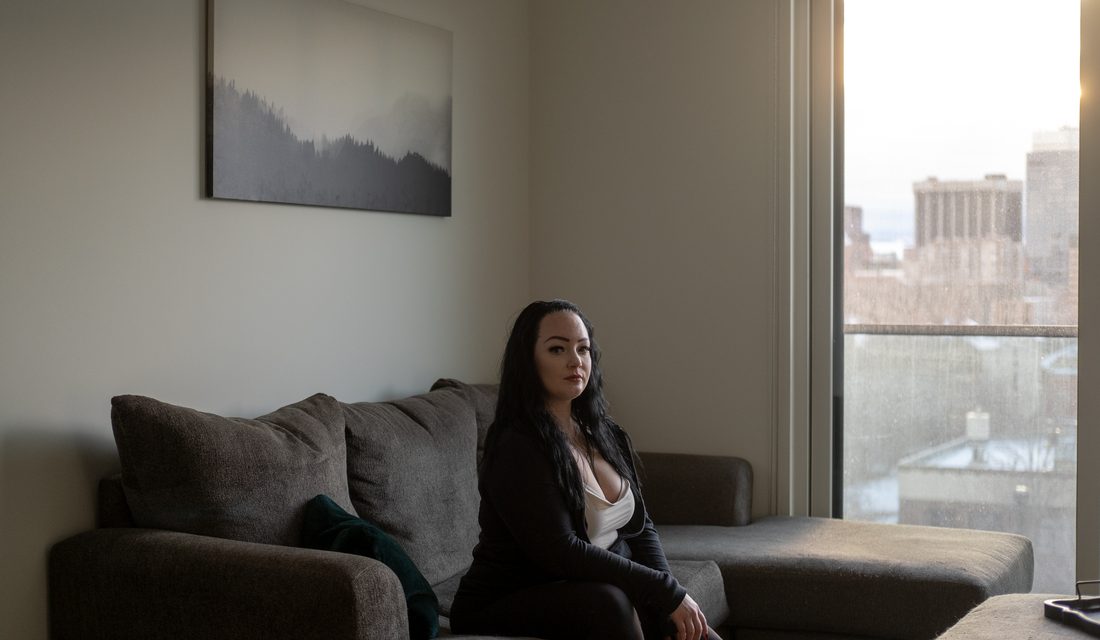
Sara Harper began her career at Denver 911 in 2013. Despite finding the job fulfilling, she often faced long working hours and experienced anxiety. Harper eventually decided to leave. “Nothing prepares you for the moment you put on that 911 headset,” she says. “There’s always an adrenaline rush because you never know what kind of call you’ll get.”
Traditionally, 911 call takers had three main options: dispatching emergency medical responders, fire, or police. Recently, a fourth option is gaining popularity: sending mental health professionals to handle certain situations instead of police. A study this March revealed that 44 of the 50 largest U.S. cities now have an alternative response program not involving police. The responsibility for deciding when to deploy these responders falls on already stressed 911 workers.
Harper describes her job as rewarding, offering real help to people. However, the stress and anxiety ultimately led her to resign. This experience is common, according to Jessica Gillooly, an assistant professor of sociology and criminal justice at Suffolk University. Linda Anderson, an emergency communications technician at Denver 911, echoes this sentiment: “It’s not a great time for 911 systems. Workers are overstressed, understaffed, and underpaid.” A survey last year showed more than 80 percent of 911 professionals reported staffing shortages, with almost the same percentage facing burnout and anxiety.
Carlena Orosco, a criminal justice professor at California State University, Los Angeles, who worked as a dispatcher for nine years, explains, “You’re a voice amidst chaos but out of sight. You’re forgotten after getting resources and officers to the scene without closure, resolution, or acknowledgment as a decisive figure.”
Deciding the suitability of an alternative response adds to the challenge, Gillooly says. “The moment’s information is often incomplete. Call takers must determine whether a call can be diverted to an alternative responder. Their decision shapes the call’s trajectory.” Harper emphasizes the stakes, saying, “You must handle situations as best as possible with your training because if issues arise, you risk lawsuits, job loss, or even accidental harm or death.” The way information is conveyed to police influences their response, including the use of force.
Training plays a crucial role in preparing 911 call takers and dispatchers. Yet, training varies across approximately 6,000 call centers nationwide. Instructor John Shryock leads a three-month training session at Denver 911, followed by three months of on-the-job training alongside a mentor. The STAR program, launched in 2020, is part of this training. It involves eight city vans staffed with medical responders and mental health clinicians.
Shryock emphasizes, “You don’t send a cop to fight a fire, so why send one for a mental health crisis?” However, he also stresses the safety of alternative responders who lack body armor. Calls require specific information such as location, suspect, injuries, incident time, and weapons. Trainees are instructed to involve police only if a weapon is present.
While many 911 calls aren’t violent, Denver’s STAR program only responds to one percent. Director Andrew Dameron reveals, “There are times when a STAR-suitable call gets police or vice versa. We’re working hard on improvements.” Training and employee support are crucial. Denver 911 increased starting wages from $20 to $29 per hour, reducing turnover significantly. “Take care of those who take care of others,” Dameron emphasizes.
Nationwide, efforts aim to reclassify 911 professionals as first responders. While some states have legislated this change, a bill introduced in Congress in December seeks to increase job respect and provide benefits like mental health support. Harper asserts, “Answering phones isn’t clerical. We were non-licensed therapists and medical professionals, doing phone CPR. It was never clerical.” Harper believes this recognition will lead to systemic improvements.