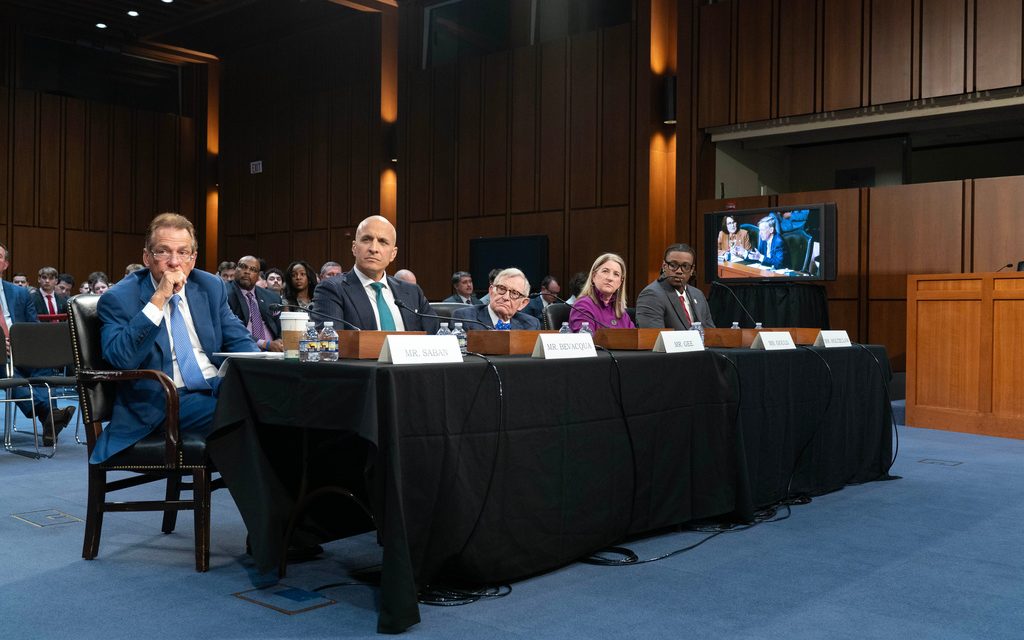
Notable figures, including Nick Saban, Pete Bevacqua, Gordon Gee, Teresa Gould, and Lance Holtzclaw, recently spoke at the Senate Committee on Commerce, Science, and Transportation hearing. The focus of this session was college sports, student-athlete support, and fair competition. Congress is reviewing the Protect College Sports Act, which aims to increase revenue in college athletics by introducing an antitrust exemption allowing universities to collectively negotiate media rights.
The main goal of this exemption is straightforward. Collective bargaining is expected to grant schools more leverage over broadcasters and streaming platforms, potentially increasing revenue. Proponents argue that additional funds could support women’s and Olympic sports amidst industry changes.
However, this approach presents a downside. By reducing competition, broadcasters and streaming platforms would likely pass increased costs to consumers. Fans might face higher subscription fees, affecting both enthusiasts and non-fans who could see rising cable and streaming costs.
Congress must carefully consider this proposal as a centralized television model has been tried before. In the ruling of NCAA v. Board of Regents in 1984, the Supreme Court found that the NCAA’s control over televised games restricted competition. Increased competition led to the current abundance of televised college football.
While preserving women’s and Olympic sports is important, lawmakers must acknowledge the financial trade-off. The proposal suggests no new wealth creation, only a shift of costs to viewers. Financial instability in college sports stems from unrestrained spending rather than lack of revenue. Athletic departments have historically spent incoming revenue on competitive advantages, such as coaching salaries, facilities, and recruiting operations.
To address these issues, Congress could set national standards for athlete compensation, recruitment, and transfers. Financial transparency and discipline should be priorities, alongside incentives for supporting women’s and Olympic sports. Granting an antitrust exemption could increase costs without addressing spending constraints.
Lawmakers must consider whether additional revenue will resolve the existing spending issues in college sports. Nathaniel Grow, a business law professor at Indiana University’s Kelley School of Business, questions the efficacy of more funds in solving these longstanding challenges.
 Penguins Make History with Dominant Season Opener
  Sonny Gray Expresses Frustration After Game Against Yankees
  Upcoming Congressional Elections: Key Districts to Watch
  Colorado Avalanche’s Nathan MacKinnon Shines in Season Opener
  President Trump’s Pre-Midterm Interview on Key Issues
  Yankees Sweep Red Sox in AL Wild Card Series