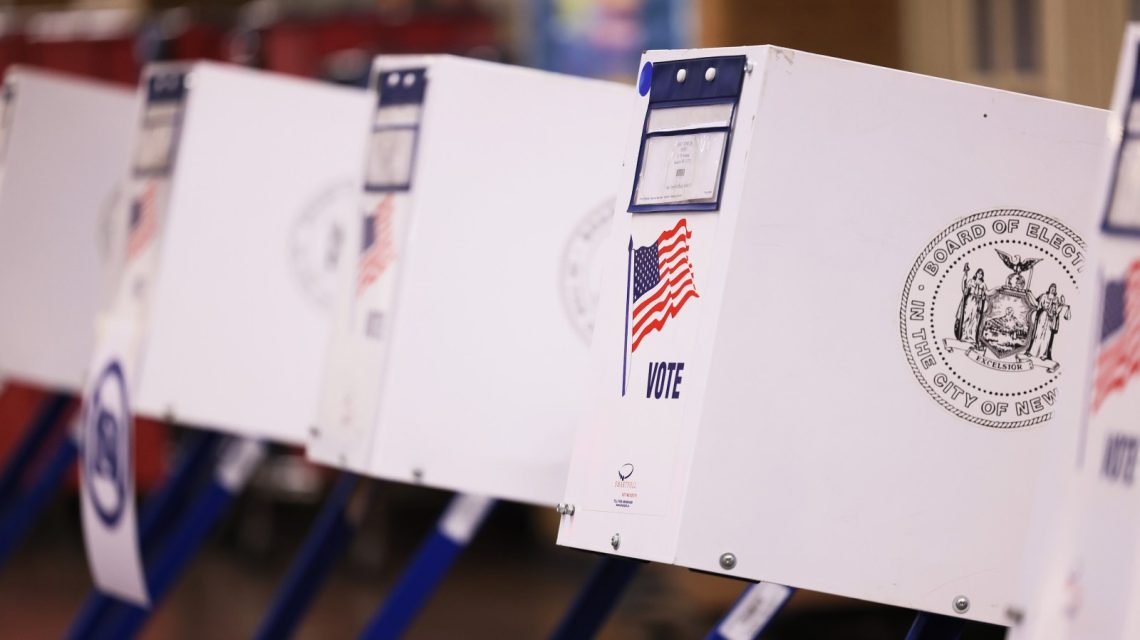
America celebrates its 250th anniversary with reflections on democratic progress and challenges. The central promise that every eligible citizen has an equal vote prompts urgent examination. Barriers to voting are emerging in Congress as protections erode, raising concerns, particularly for Black Americans. Freedom requires continuous protection, reinforcement, and renewal.
This milestone invites us to address where democracy falls short, especially for Black Americans. Securing the right to vote faces renewed attacks. Recent governmental actions attempt to restrict participation under claims of “security” and “integrity.”
The history of African American voting rights shows a cycle of expansion and setbacks. Constitutional amendments were followed by restrictive measures like poll taxes and literacy tests. Even post-Civil Rights Movement, barriers persisted in forms such as ID laws and misinformation campaigns.
Today’s threats continue to affect communities striving to perfect the nation. The Supreme Court facilitated rollbacks of civil rights protections, intensifying racial discrimination and gerrymandering risks in states like Louisiana.
An administration champions the SAVE Act, which imposes restrictive voter registration requirements under false pretenses. This act necessitates difficult-to-access documents, hindering voter registration for many communities.
Black and brown community mayors confront this challenge with limited tools. By investing in modern voting infrastructure and promoting early voting, they foster secure elections. Partnering with grassroots efforts counters misinformation and clarifies voter rights.
Local leadership alone cannot combat these threats. Federal government must standardize, resource, and protect rights.
Firstly, Congress should restore Voting Rights Act protections. Without federal oversight, states risk passing laws that dilute political influence and invite discrimination.
Secondly, election security funding must be consistent. Local areas cannot counter cyber threats or misinformation without federal support. These funds fortify national security and public trust.
Thirdly, rejecting the SAVE Act in favor of reforms easing registration and voting access is essential. Priorities include automatic registration, same-day voting, and protections against purges. Effective election policy should simplify participation.
Mayors commit to safeguarding voter rights within cities, but this responsibility is collective. All government levels, community leaders, and citizens share this duty. Citizens play a crucial role by voting, serving as poll workers, providing accurate information, and supporting voter access organizations.
Active community participation builds trust, reducing space for bad practices. Democracy protection requires relentless effort. As the next 250 years approach, patriotic acts include understanding rights and collectively voting.
This article reflects the views of Mayors Shawyn Patterson-Howard, Vince R. Williams, Alix Desulme, Steven Reed, Phillip Jones, Van R. Johnson, Jr., Kim A. Thomas, and Errick Simmons, representing the African American Mayors Association, which uniquely serves African American Mayors in the U.S.
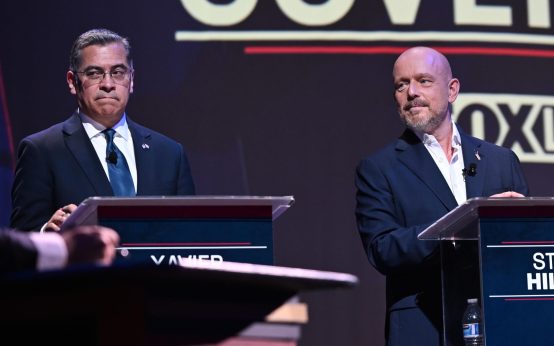 Becerra and Hilton Clash in California Gubernatorial Debate
  California Voters to Decide on $7.5 Billion State Research Fund
 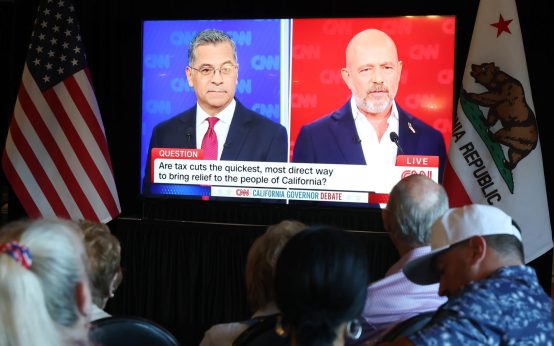 Highlights from the California Gubernatorial Debate: Becerra vs. Hilton
 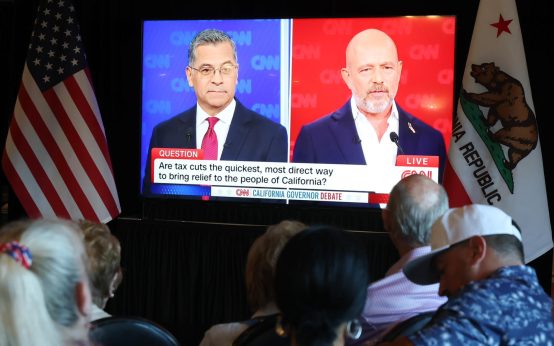 Becerra vs. Hilton: The Debate and Key Issues in the California Governor Race
  Senate Confirms New Labor Secretary
  Hegseth’s Ambitious Military Initiatives to Reshape Warfare