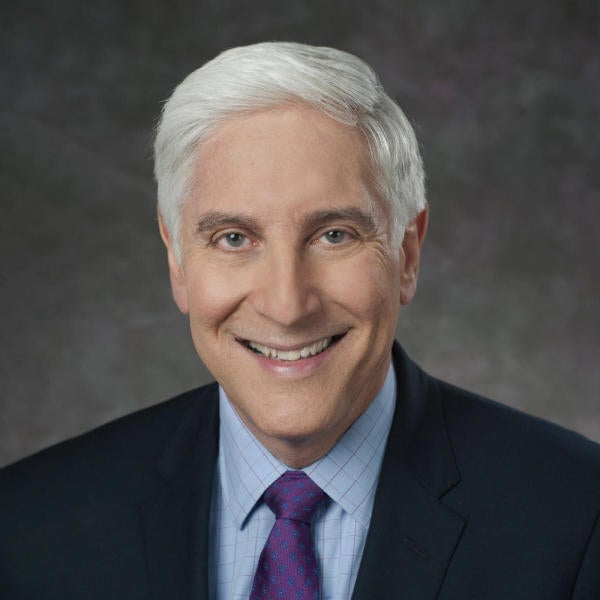
Jon LaPook, M.D., the chief medical correspondent for CBS News, visited a special library in Copenhagen. Unlike typical libraries where quiet is encouraged, this one promotes dialogue. Named The Human Library, it was founded by Ronni Abergel 26 years ago and does not contain traditional books. Instead, visitors interact with volunteers who share their life experiences.
Abergel explained the concept: “It’s a library where we give out human beings on loan, and they’ll be an open book for you and answer any question you have about the topic that they’re offering.” All volunteers willingly share insights on various subjects, engaging in 30-minute sessions to answer questions.
Mental Health Insights
One of the popular “books” at The Human Library covers mental health. Christian Sarner, a volunteer, offered insights on schizophrenia. At 33, Sarner discussed misconceptions about schizophrenia, noting that not all individuals with the condition are dangerous or helpless. Sarner’s own journey involved studying quantum physics and living with anxiety and schizophrenia. He shared experiences, including a period when he questioned the reality of his existence, leading to a significant moment of realization.
Through medication and therapy, Sarner now cherishes family life, feeling positive about the future. Abergel emphasized the importance of letting curiosity guide interactions, encouraging visitors to ask what they truly want to know. The Human Library’s volunteers undergo training to facilitate such conversations.
The Refugee Experience
Another intriguing volunteer is Noura Bitar, a 37-year-old political scientist from Syria. At the age of 20, she came to Denmark, initially facing challenges due to language barriers. Bitar’s narrative included moments from 2011, during pro-democracy protests in Syria, and her complex experiences as a refugee in Denmark. Bitar discussed societal perceptions and personal acceptance of her identity as ‘the refugee,’ highlighting the stigma surrounding appearance and behavior.
Despite becoming more restrictive, Danish immigration policies have not deterred Bitar from seeking Danish citizenship. She continues to cope with a traumatic past but looks forward to remarrying. Her reflections on survival and the loss of loved ones illustrate the emotional struggles she faces. Abergel noted the importance of respecting boundaries during these sessions, allowing volunteers to avoid topics they are uncomfortable discussing.
Perspectives from Greenland
Viva Olsen, a 55-year-old indigenous Greenlander, shared her experiences growing up in nature. Moving to Denmark was seamless for her, given Greenland’s self-governing relationship with Denmark. Now working in psychiatric care, Olsen recalled American soldiers and their interactions in her native country, highlighting positive memories involving community events.
Abergel believes The Human Library has reached millions globally, fostering understanding and potentially changing lives. The overarching goal is to “unjudge” others, ultimately improving the quality of life by promoting empathy and acceptance. Abergel stated, “All of our life quality could go up if we were more understanding and accepting.”
The Human Library continues to expand, engaging participants worldwide in over 80 countries, including the U.S. It serves as a testament to the power of personal stories and dialogue in bridging social divides.
 The Measure of Friendship
  A Honeymoon Safari Turns Into a Fight for Survival
  Facing Terminal Illness: Embracing Life’s Moments
  Journey Through Love and Health Challenges
  Florida Woman Discovers Brain Tumor After Mysterious Symptoms
  Challenges in Prosecuting Sexual Assault Cases Involving Substance Use