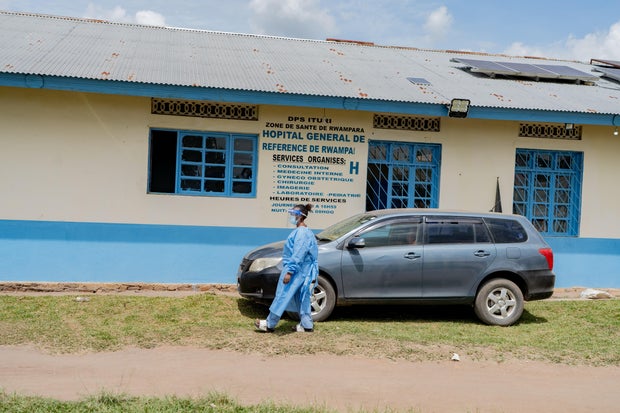
The World Health Organization has declared the Ebola outbreak in Congo and Uganda a public health emergency of international concern. More than 250 suspected cases and 80 suspected deaths have been identified. Officials warn that the outbreak’s true scope might exceed current reports as health workers intensify screening and contact tracing efforts.
The WHO stated that the outbreak does not meet the criteria for a pandemic emergency like COVID-19. The organization advises against closing international borders. The emergency declaration reports eight laboratory-confirmed cases, 246 suspected cases, and 80 suspected deaths in Ituri, Congo’s eastern province. Two laboratory-confirmed cases, including one death, have been reported in Kampala, Uganda. These cases involve individuals who traveled from Congo, with no apparent link between them.
The Africa CDC reports 246 suspected cases and 65 deaths in Congo. However, regional health officials at a news conference announced upwards of 300 probable cases. At least six Americans have been exposed to the Ebola virus in the Democratic Republic of Congo, though infection status is unclear.
Fear is palpable among Ituri’s residents. Jean Marc Asimwe from Bunia expressed concern due to frequent burials, noting, “Every day, people are dying … in a single day, we bury two, three or even more people.” Congolese Health Minister Samuel-Roger Kamba confirmed eight laboratory-confirmed cases with four deaths. Test results indicate the presence of the Bundibugyo virus, a less prominent variant during previous outbreaks.
Ebola, highly contagious, transmits through fluids like vomit, blood, or semen. The condition is rare, severe, and often fatal. CBS News medical correspondent Dr. Céline Gounder highlighted that there are no approved vaccines or treatments for this strain. Concerns grow about containment possibilities.
The index case reportedly involved a nurse who died in Bunia hospital on April 24. Although testing status is uncertain, symptoms suggest Ebola infection. Uganda reported an imported case from Congo, with the affected individual dying at Kibuli Muslim Hospital in Kampala on May 14.
Doctors Without Borders prepared a “large-scale response” and labeled the outbreak’s rapid spread “extremely concerning.”
Congo faces logistical challenges due to its vast land area, often hindering delivery of expertise and supplies in disease outbreaks. Ituri’s distance from Kinshasa and regional conflict further complicate efforts. Dr. Abdi Rahman Mahamud from WHO emphasized the region’s volatility during a news conference. Three health zones in Ituri report confirmed cases, including Bunia, Rwampara, and Mongwalu.
Testing of 13 blood samples confirmed eight Bundibugyo strain cases. Five samples could not be analyzed due to insufficient volume. Bunia’s regular activities seemed unaffected by the outbreak, yet local Adeline Awekonimungu urged government intervention to contain the situation.
U.S. health officials consider Ebola risk to Americans low. The CDC is collaborating with health officials to manage the outbreak and prevent further Ebola spread. Travel advisories warn against close contact with symptomatic individuals in Congo and Uganda. CDC’s Dr. Satish Pillai noted ongoing measures at ports of entry.
Dr. Craig Spencer, a U.S. doctor who survived Ebola, expressed concerns over U.S. response efficiency due to aid agency cuts and WHO withdrawal. He noted potential impacts on the announcement timing of the outbreak compared to past responses. Spencer underscored the U.S.’s current capabilities in managing high-risk pathogens, referencing recent hantavirus responses.
 Increased Funding Needed for Psychiatric Hospitals
 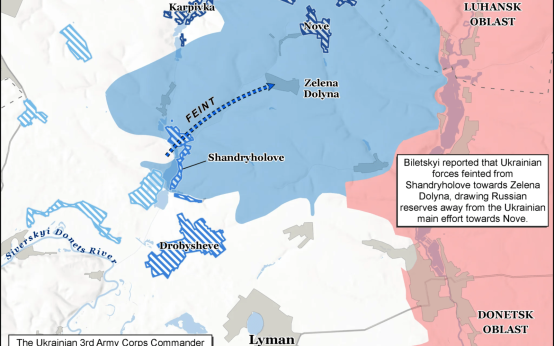 Ukraine Converts APCs to Explosive Devices in Donetsk Offensive
  Trump Administration Distributes ACA Refund Checks
  Higher Consumption of Ultra-Processed Foods Linked to Increased Health Risks
  Understanding Inflammation: Myths and Facts
 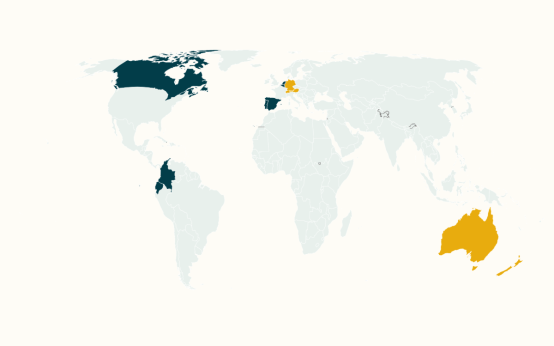 Dutch Review Board’s Euthanasia Ruling and International Debate