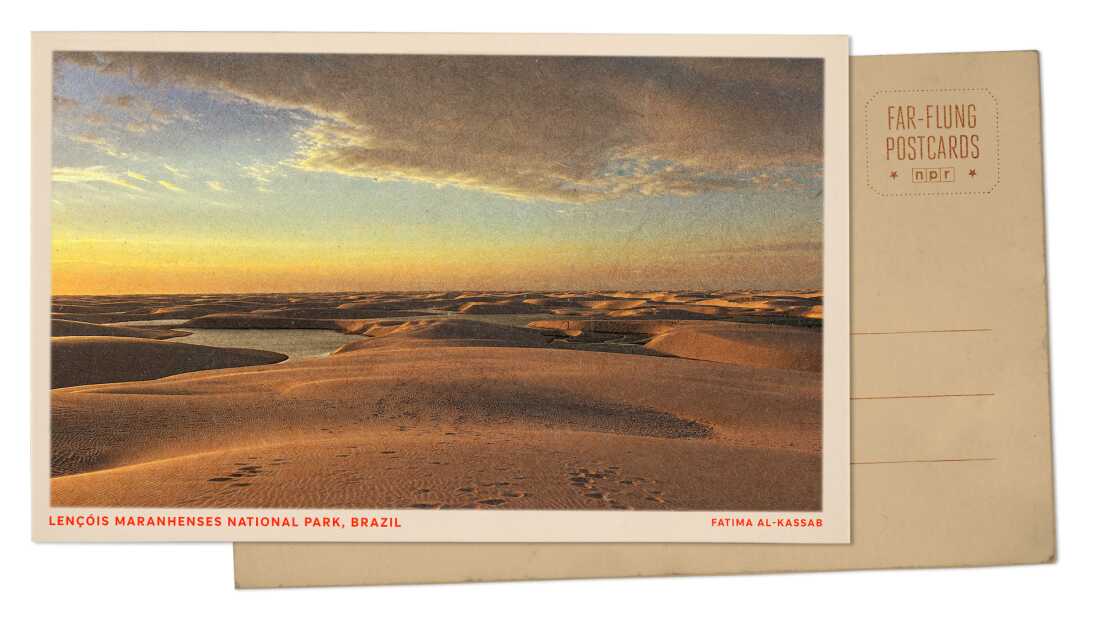
This past summer, I traveled to northeastern Brazil, discovering a place unlike any other I’ve visited. Following a four-hour bus journey from the tropical city of São Luis, I arrived in Barreirinhas, a quaint fishing town. From there, a bumpy ride in a 4×4 vehicle led me to the immaculate white sand dunes of Lençóis Maranhenses National Park.
The park spans hundreds of thousands of acres, flanked by dense jungle on one side and the Atlantic Ocean on the other. The name ‘Lençóis’ translates to ‘bedsheets’ in Portuguese, as the dunes resemble billowing sheets when seen from above.
Climbing these dunes proved challenging for my unprepared feet. Each step sank deeper into the fine sand. Yet, the struggle was worth it for the astonishing views, reminiscent of scenes from a sci-fi movie. During my visit in July, over 35,000 lagoons filled with freshwater after the rainy season, offering refreshing pools for swimming after a day of climbing.
The vast stretch of white sands interrupted by shimmering blue water gave the impression of an alien landscape. Surprisingly, this isn’t a desert. Located near the Amazon rainforest, this UNESCO World Heritage Site receives about 50 inches of rain annually, more than double the amount in my hometown of London.
 Atlantic Ends September Without a Hurricane for First Time Since 1994
  Bobcat Sightings and Conservation Efforts in Illinois
 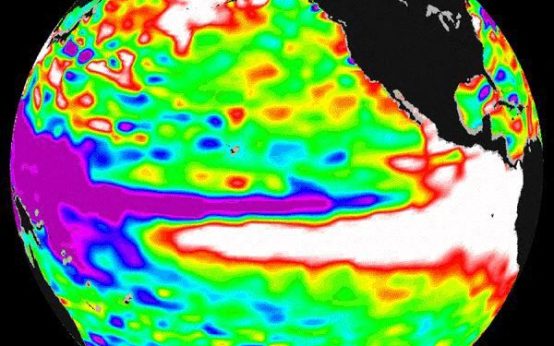 2026 El Niño: A Historical Comparison and Future Projections
  U.S. Records Warmest September in History
  Rising Trend: Solo Travel Gains Popularity
 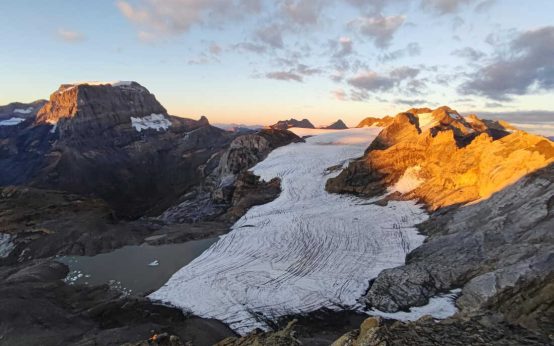 Swiss Glaciers Show Effects of Ice Loss Amid Global Warming