
Cynthia Montoya sits in her Thornton, Colorado home, surrounded by photographs and memories of her daughter, Juliana. Juliana was 13 when she began using AI chatbots, and within a year, she died by suicide. A forensic analysis of Juliana’s phone revealed chat logs showing the bots introduced her to inappropriate content. Initially, she resisted, but eventually began searching the terms and reciprocating.
“Initially, her replies were ‘I don’t know,’ or ‘I’d like it if you stopped,'” Montoya said. “But eventually, Juliana started looking up some of the terms that were being said to her.”
Montoya describes this as “extreme sexual abuse.” Juliana had also confided her mental health struggles to another chatbot. In January 2026, the company Character.AI settled lawsuits with Montoya’s family and others, over claims that its chatbots harmed teens.
Montoya keeps Juliana’s room unchanged. She has turned her grief into advocacy, aiming to create safer chatbot environments for other minors. She approached lawmakers in her home state to legislate safer AI chatbots. Many state bills drafted have involvement from tech companies, resulting in loopholes that exempt popular chatbots from regulations.
NPR reviewed records revealing at least 75 lawsuits against AI developers relating to chatbot harm, many involving minors. For example, Adam Raine and Sewell Setzer III both died by suicide after interactions with AI systems, leading their families to take legal action.
Despite rising concerns, no federal laws govern AI systems. A June 2026 executive order emphasizes innovation over regulation. States like Hawaii and Iowa have introduced safety bills modeled on California’s 2025 law, considered industry-friendly. Similar language has been repeated across multiple states’ bills.
Earlier this year, Colorado’s House Bill 26-1263 was introduced, but without Montoya’s input. It was collaboratively written with Healthier Colorado, a nonprofit focused on health policies, with input from Google. The bill lacks a duty of care for developers, raising concerns about loopholes that could exclude popular chatbots like ChatGPT and Gemini from accountability.
Marjorie Connolly from the Tech Oversight Project notes that Big Tech lobbied heavily on Colorado’s bill, securing exemptions for tools embedded in software applications or those used for business productivity.
Laura Marquez-Garrett, an attorney at the Social Media Victims Law Center, highlights the bill’s vague language, leaving it up to companies to define “technically feasible measures” to prevent abuse. Marquez-Garrett argues that the bill could offer fewer protections than children currently have under existing laws.
Montoya met with Sen. John Carson, a sponsor of the bill, to express her concerns. According to her, he revealed that a tech company lobbyist had approached him about sponsoring the bill. Carson did not respond to requests for comment.
A Republican lawmaker in Colorado, speaking anonymously, said Google lobbied to weaken the proposed legislation, prompting broader efforts to craft exemptions favorable to tech companies.
Camacho, another bill sponsor, said it was necessary to balance commercial AI use and child protection, reflecting input from various stakeholders including Google and Healthier Colorado. Despite the bill passing, concerns over its effectiveness remain.
Montoya continues to push for more comprehensive legislation, although she acknowledges that being perceived as having an existing law could hinder future efforts. Her focus remains on preventing future tragedies by advocating for stronger protections against AI chatbot harms.
 Senate Democrats Block Data Center Bill Over Efficiency Concerns
  Future Cities: Ambitious Projects Aiming for Innovation and Sustainability
 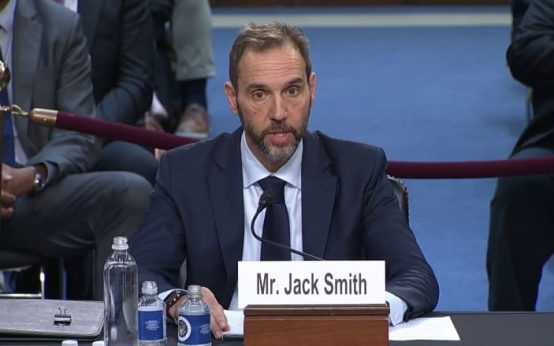 High-Profile Hearing and AI Developments: Key Political Moves
 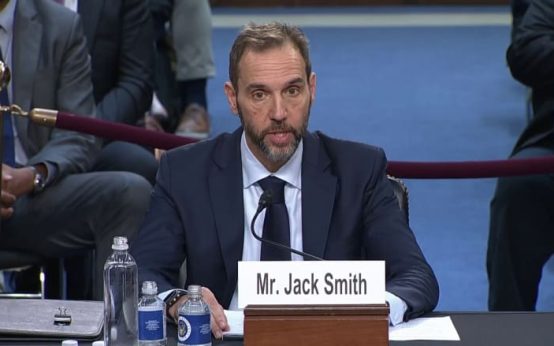 Key Events in Today’s Discussions Involving Jack Smith and President Trump
 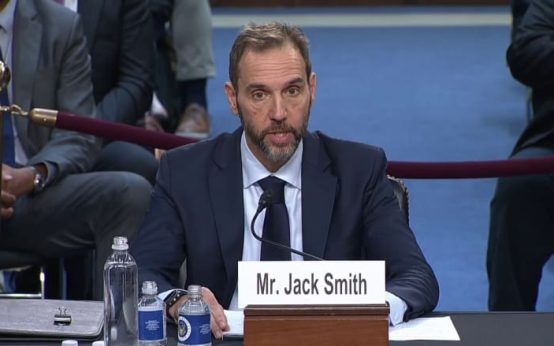 Jack Smith Faces Scrutiny Amid Investigations into Trump
  White House to Promote AI Benefits Amidst Security Concerns