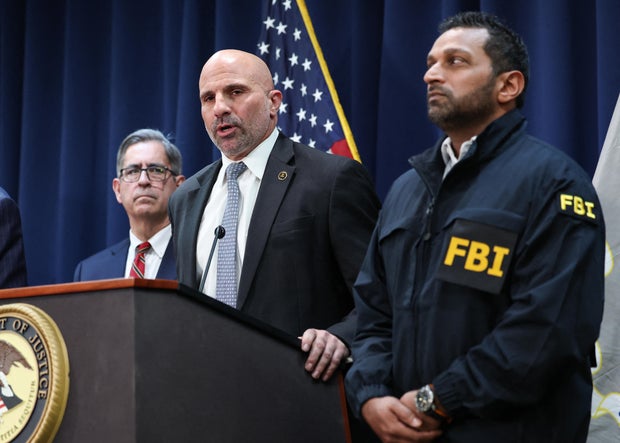
The FBI is embracing artificial intelligence to enhance its capabilities in identifying threats and combating crime. Deputy Director Christopher Raia, a 23-year veteran of the FBI, shared insights with CBS News on how AI has transformed their operations. Raia highlighted AI’s role in targeting transnational criminal organizations and drug cartels, revealing that it significantly reduces the time taken from receiving tips to taking action, from weeks to just hours or minutes.
Recent data from the FBI’s annual crime report indicates a substantial decline in violent crime rates across the United States. The murder rate in 2025 achieved a 20-year low, and overall violent crime experienced the largest recorded one-year decrease. Aggravated assaults dropped by 7.2%, rapes by 7.6%, and robbery by 18.5%. Raia attributes this decline to various factors, including improved cooperation with state and local law enforcement, better border security, and a renewed focus on violent crime.
AI has enabled the FBI to manage a vast amount of information, allowing analysts to concentrate on more pressing threats. Raia noted the challenges faced with numerous tips flowing worldwide daily, stressing the previous limitations in manpower for analysis. The FBI’s National Threat Operations Center has harnessed AI to efficiently prioritize critical threats, thereby optimizing resource deployment.
“We’ve sprinkled in AI and now these tips rise to the top and we can get them out to the field to action,” Raia explained.
AI has already shown tangible benefits, as demonstrated by an incident in March, where a North Carolina man, Zachary Charles Newell, received a two-year federal prison sentence for making online threats. Thanks to AI, the FBI swiftly acted upon the tip, leading to a quick arrest.
When addressing concerns around AI potentially infringing on civil liberties, Raia assured the public of the FBI’s transparency with Congress and oversight boards to safeguard citizens’ rights. He emphasized the importance of accountability and oversight within agencies, noting that the FBI has submitted extensive documentation for review.
The FBI’s collaboration extends to companies like Flock Safety, which provides automated license plate readers. Privacy advocates have raised issues regarding potential rights violations from sharing data with federal entities. Nonetheless, Raia underlined the vital role of such technologies in investigations.
Additionally, the Homeland Security Task Force was established by executive order in January 2025 under the Trump administration. It enhances cooperation between the FBI and other agencies such as Homeland Security Investigations, the DEA, Treasury Department, and Department of Defense. In August, the task force charged 81 alleged members of a violent Puerto Rican gang with drug trafficking and firearm offenses.