A federal judge in Boston has blocked the Trump administration’s plan to impose a $100,000 H-1B visa fee. This fee was deemed an unauthorized tax that lacked congressional approval. Initially, the policy aimed to prioritize American citizens by raising the fee from $2,000-$5,000.
The administration plans to contest the judge’s decision. On Monday, a new proposal was introduced to formalize a fee exceeding $100,000 for cap-subject H-1B petitions. This impacts highly skilled foreign workers, especially those eligible for the advanced-degree exemption.
The H-1B visas play a critical role in the tech, education, and research sectors. These fees cover costs for processing the legal immigration system across several federal departments, including Homeland Security, Justice, State, and Labor.
Details of the Proposed Fee
The Department of Homeland Security (DHS) suggested a permanent $103,265 fee following a temporary increase blocked in June. A spokesperson stated the fee intends to recover federal costs incurred from immigration programs, which would otherwise use taxpayer money.
Further legal evaluations are ongoing, with an appeals court reviewing the judge’s decision and another assessing a related challenge. The temporary fee increment is set to lapse soon. Meanwhile, the DHS proposal is open for public inspection and is expected to be publicly announced soon.
Context of H-1B Program
U.S. companies employ H-1B visas to recruit foreign workers in specialized fields. Annually, 65,000 visas are available under the regular cap, alongside 20,000 for those with advanced degrees from U.S. institutions. The visa duration is generally three years, extendable up to six.
The new rule would apply to cap-subject H-1B petitions, covering certain foreign students transitioning to H-1B status. However, it excludes cap-exempt petitions and standard extensions not tied to the cap. Previously, fees ranged from $2,000 to $5,000.
There is an ongoing debate about the program’s impact. While critics claim misuse when American workers are replaced with less expensive foreign labor, supporters stress its necessity due to a shortage of qualified workers.
Challenging the Fee
The $100,000 fee faced backlash from the U.S. Chamber of Commerce, labor unions, and employer coalitions. They may adjust their objection to challenge the finalized proposal.
Additionally, the administration has stepped up vetting processes for H-1B applicants. An alternative visa selection process has been proposed that would benefit higher-skilled, higher-paid workers.
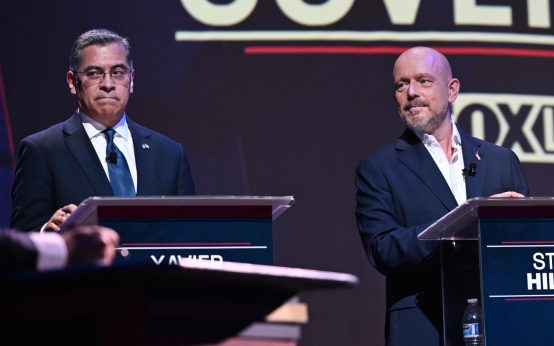 Xavier Becerra and Steve Hilton Debate on California’s Future
 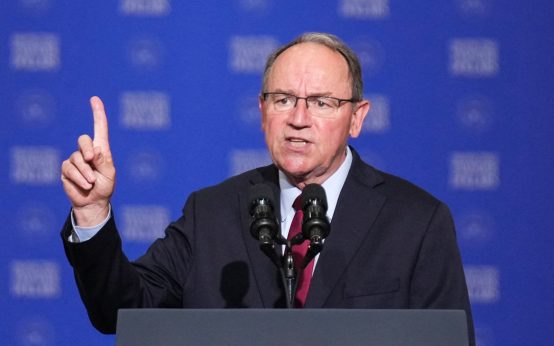 Wisconsin Gubernatorial Race: Tiffany vs. Crowley in a Tight Contest
 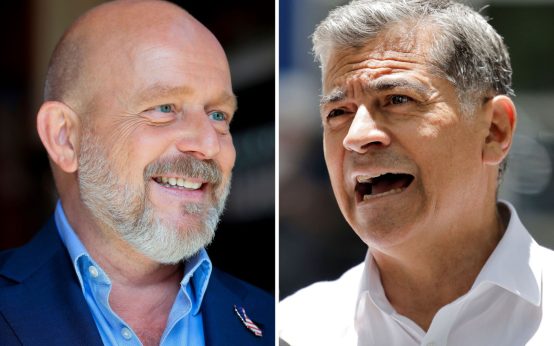 California Gubernatorial Debate: Becerra vs Hilton
  Gavin Newsom Seeks Inspiration from Bill Clinton for Potential Presidential Run
  California Superintendent Candidate Stands Firm Against Teachers Union Criticism
  Trump Highlights Investment Amid Economic Concerns