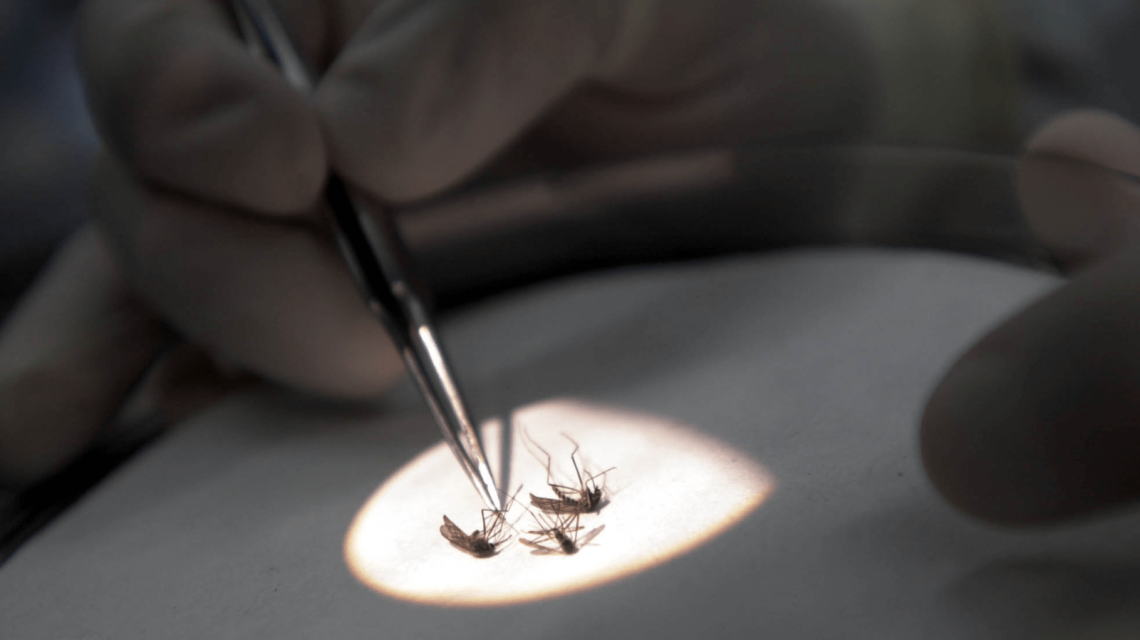
Health officials in New York City have confirmed the first human case of West Nile virus (WNV) for 2026. This has prompted renewed warnings for residents to take protective measures against mosquito bites, especially during the peak summer season. The New York City Department of Health revealed that the infected individual had spent time outdoors both within and outside the city. Mosquitoes carrying the virus have been identified in all five boroughs since June, with over 1,000 mosquito pools testing positive citywide this year.
Understanding West Nile Virus
West Nile virus is a disease spread by mosquitoes. Humans contract it through the bites of infected mosquitoes. The virus does not transmit from person to person. It is the leading cause of mosquito-borne illness in the continental United States and circulates during the warmer months when mosquitoes are more active. In New York City, mosquitoes with the virus are typically present from June to October, with activity peaking in August and September.
West Nile Cases Across the U.S.
The Centers for Disease Control and Prevention (CDC) reports 222 human cases nationally in 2026, across 32 states. New York now joins this list, bringing the total to 33. Arizona, Texas, and California account for the majority of cases reported.
Symptoms of West Nile Virus
Most people with West Nile virus show no symptoms. Some develop mild symptoms, including:
- Fever
- Headache
- Muscle aches
- Fatigue
- Skin rash
These symptoms may last days to weeks and resemble those of other viral infections. Between 2012 and 2021, New York averaged 16 cases of West Nile neuroinvasive disease annually. From 2022 to 2025, the average rose to 31 cases. A small percentage of people develop a severe form that impacts the brain and spinal cord, known as West Nile neuroinvasive disease. The CDC cites 156 neuroinvasive cases in 2026 so far. Approximately one in 150 people infected with West Nile virus can develop this serious illness, potentially causing life-threatening conditions requiring hospitalization.
Mortality is possible, though many patients recover fully. Some may experience long-term health issues or permanent disabilities.
At-Risk Populations
The elderly and those with weakened immune systems have the highest risk of severe illness. The Health Department states that people 65 and older are three times more likely to develop neurologic repercussions from West Nile virus than younger populations. Chronic conditions like cancer, diabetes, hypertension, and kidney disease also elevate risk levels.
Seeking Medical Attention
The NYC Health Department recommends anyone with symptoms consistent with West Nile virus should contact a healthcare provider. Those experiencing serious symptoms, such as confusion or severe weakness, must seek immediate medical attention. Early evaluation can eliminate other illnesses and provide necessary supportive care.
Preventive Measures
There is no specific treatment or vaccine for West Nile virus; hence, prevention is the best approach. Health officials suggest the following:
- Use EPA-registered insect repellents with DEET, picaridin, IR3535, or oil of lemon eucalyptus.
- Wear long-sleeved shirts, long pants, socks, and shoes outdoors.
- Limit outdoor activities around dawn and dusk when mosquitoes are most active.
- Install and repair door and window screens to keep mosquitoes out.
- Eliminate standing water in containers like buckets, birdbaths, and gutters to prevent mosquito breeding.
- Maintain swimming pools, hot tubs, and ponds to curb mosquito reproduction.
“West Nile virus spreads through mosquito bites and does not spread from person to person. It’s preventable,” emphasized NYC Health Commissioner Dr. Alister F. Martin, urging residents to be cautious as summer ends.
This recent case serves as a reminder of the potential severity of the virus, highlighting the importance of preventing mosquito bites to protect vulnerable individuals. Newsweek has contacted the New York Department of Health for further comments.
 U.S. Monitors Russian Plague Scare
  Guide to Choosing the Best Probiotic Powder for Gut Health
  2026 Nobel Prize in Physiology or Medicine Awarded for Optogenetics Research
  Trump’s Daily Aspirin Habit and Its Implications
  Grudges and Forgiveness: The Impact on Mental Health
  Crackdown on Fraudulent Obamacare Enrollments