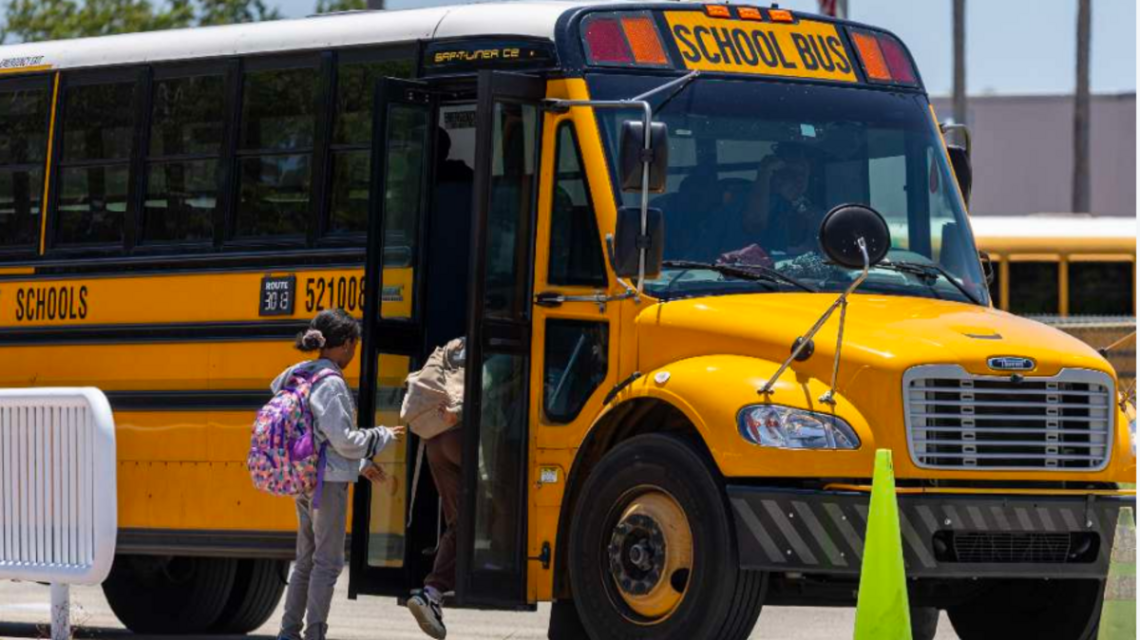
In Florida, more students are attending schools outside their designated attendance zones. At Moreland’s Alternative Educational Academy in Pompano Beach, kindergartners express confidence in their education. This confidence stems from efforts by Karen Moreland-Alford, a local educator, who expanded the Christian K-12 school from a small group to nearly 200 students. Many parents report their children have moved from unsafe, underperforming schools to thrive in this environment, with some considering college for the first time. Moreland-Alford credits Florida’s education choice scholarships for the school’s existence.
These scholarships provide families with options and grant educators like Moreland-Alford the freedom to establish schools. Protecting and expanding these opportunities involves opening public buildings to new schools, offering start-up support, and reducing bureaucratic hurdles. This allows educators to create schools that best serve their students.
Over two decades, many public school teachers and principals have started their own schools, particularly in low-income and rural areas. Some seek to teach in faith-based settings, others to cater to specific student needs, and some to innovate teaching methods. Funding that follows the student makes these initiatives feasible, giving lower-income families educational choices previously only available to wealthier families.
However, these school founders often face challenges in securing facilities, relying on church classrooms or mall storefronts due to limited access to taxpayer facilities. Critics cite these modest beginnings as low-quality indicators, but parents choose these schools for trusted educators and excellent instruction. Utilizing vacant public buildings can enhance these schools’ growth.
The Urban Institute reports that low-income students using Florida’s tax credit scholarship enroll in college at higher rates than their peers in traditional public schools. Parents have the flexibility to leave ineffective schools, a pressure district schools do not face annually. Even districts recognize the benefits of competition; some partner with innovative schools like Wonderhere, a Montessori micro-school.
Currently, the James Madison Institute indicates that over 50% of Florida’s publicly funded K-12 students attend non-zoned schools. School choice is an integral aspect of Florida’s educational landscape.
There is, however, concern over the future of educational choice scholarships. Eliminating these would reduce options for families with limited means and restrict educators’ ability to innovate. For two decades, Florida has demonstrated that trusting parents and empowering educators improves student outcomes. Expansion, not contraction, is necessary to continue this positive trend.
Ask the kindergartners in Pompano Beach. They already understand the value.
Erika Donalds is a mother, former Collier County School Board member, education entrepreneur, and CEO of Education Freedom Foundation. She is married to Byron Donalds, a Republican gubernatorial candidate.
 Cornell University Allegations Spark Nationwide Protests
 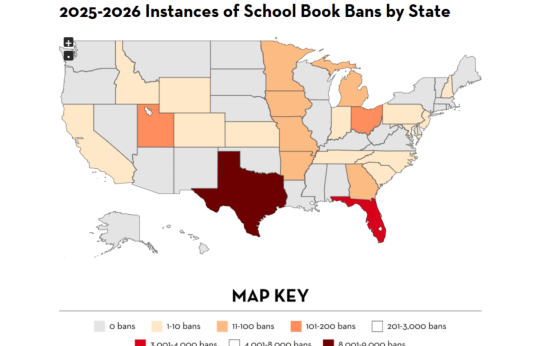 Record Book Bans in U.S. Schools Amid Debate
  French Students Lead Massive Protests Demanding More Education Funding
  University of Arizona Suspends Fraternities Amid Misconduct Investigations
  Independent Review of Sexual Misconduct Handling at Cornell University
  Cornell University Appoints Sally Yates for Investigation