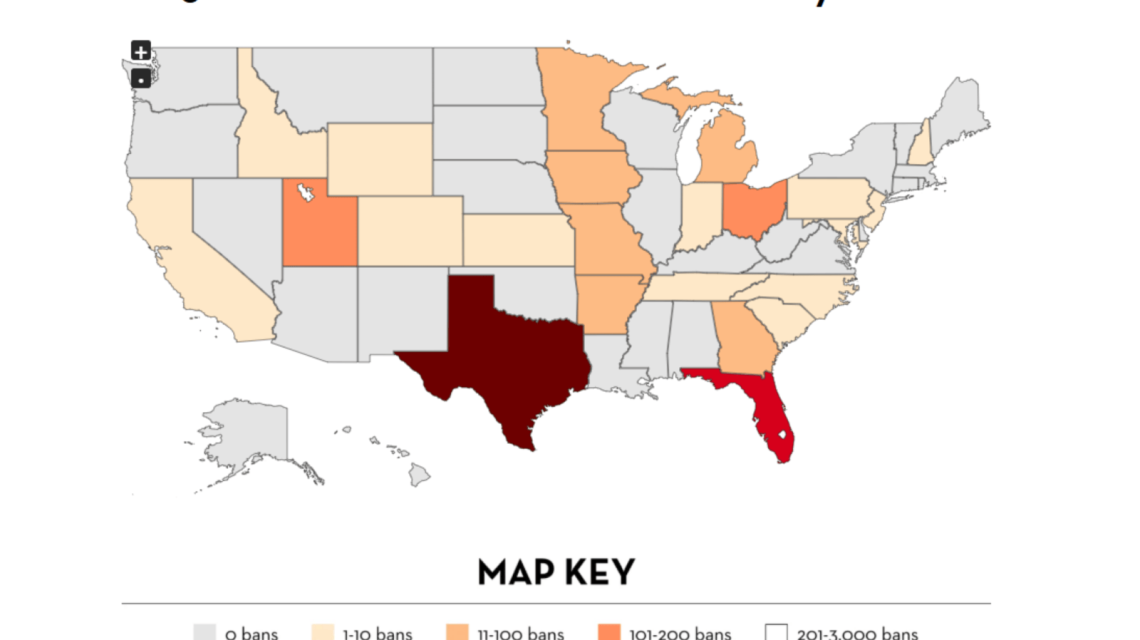
During the 2025-26 school year, nearly 12,000 books were removed from public schools in the U.S., according to a report by PEN America. This marks the highest number of recorded bans since the organization began tracking in 2021. A total of 11,982 books were banned, including 7,370 unique titles. Classic novels like Jane Eyre by Charlotte Brontë, Lessons in Chemistry by Bonnie Garmus, and the manga series Tokyo Ghoul by Sui Ishida were among those banned.
Texas and Florida recorded the most bans, with Texas banning over 8,000 books and Florida over 3,000. Supporters of these bans reject the notion of censorship and argue for more parental and community control over school materials. They emphasize age appropriateness, particularly concerning books with sexual content, graphic imagery, or mature themes.
The Role of Legislation and Advocacy
PEN America reports that legislation and advocacy pressure from state officials and groups drive many removals. In specifically 72 percent of districts, bans linked to state laws or policies. A review shows targeting of books with LGBTQ+ characters, people of color, and themes on race and sexuality.
The organization notes an increase in bans on manga and graphic novels. Critics focus on isolated illustrations depicting sex, violence, or gender identity, often out of context rather than as part of a broader narrative. Authors like Hajime Isayama, Atsushi Ohkubo, and Rumiko Takahashi see their works frequently removed.
AI and the Review Process
The report highlights the controversial use of AI in the book-review process. Some districts use AI to evaluate books for compliance with laws. Records show AI systems recommend books for removal based on bans in other districts rather than content review. This could cause a ‘snowball effect’, where bans spread without proper content assessment.
Supporters’ Views
Supporters claim schools need systems to review content they deem sexually explicit or inappropriate, especially for younger students. Texas’ SB 13 law requires a review for ‘indecent’ or ‘profane’ content. PEN America opposes these methods, stating they limit literary access and exposure to diverse viewpoints. The organization stresses that school libraries should offer a wide range of perspectives.
Debate and Broader Impact
The increase in book bans has led to national debates on censorship and free expression. Illinois Governor JB Pritzker, a critic of bans, supported a state law preventing public library bans. He insists on young people’s exposure to diverse ideas for critical thinking. Authors like Margaret Atwood and Judy Blume have also criticized these bans. Atwood likened bans to broader censorship attempts, citing The Handmaid’s Tale and historical book burnings. Blume, facing bans on her books, expressed concern over growing intolerance in the U.S.
The ongoing clash between free speech advocates and those favoring strict library oversight continues to escalate, placing book access as a prominent issue in American education.
 Memphis City Council Meeting Turns Chaotic Over Data Center Vote
  Advocates Step In as Official Channels Struggle with Family Homelessness
 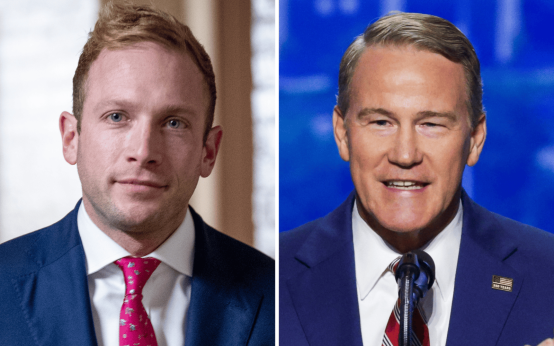 Ohio Senate and House Races Heat Up Amid Controversies
  French Students Lead Massive Protests Demanding More Education Funding
 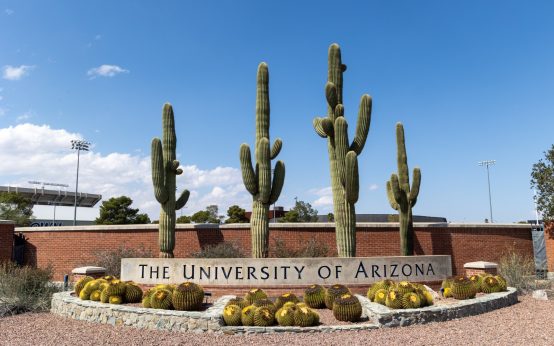 University of Arizona Suspends Fraternities Amid Misconduct Investigations
  U.S. Travelers Advised to Avoid Djerba Amid Terror Threats