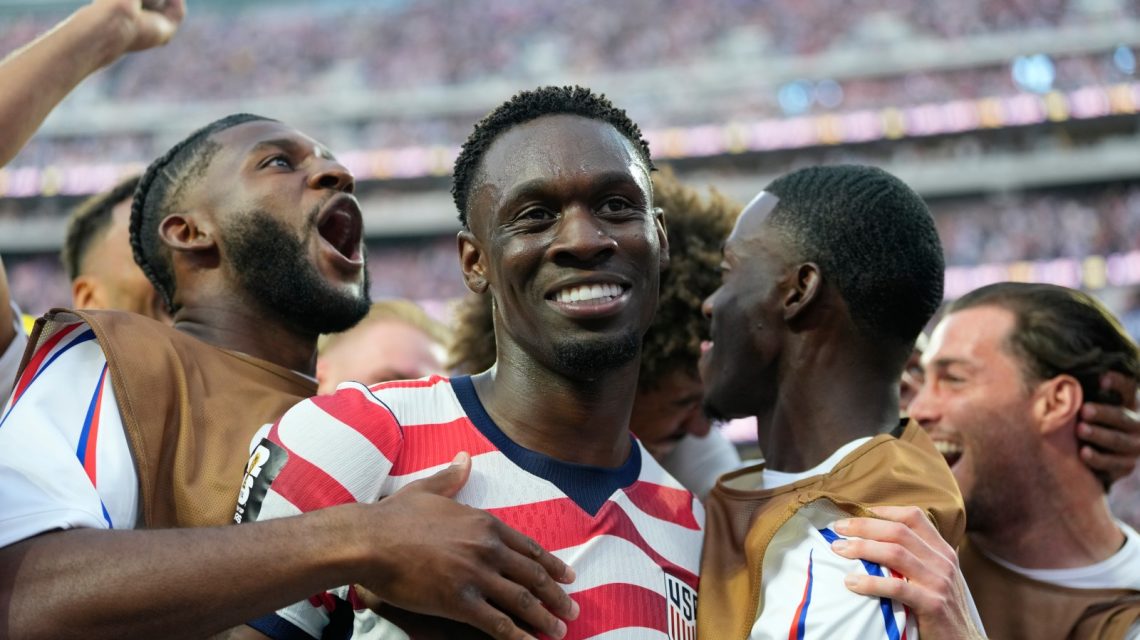
Folarin Balogun: USMNT’s Star Forward
Folarin Balogun, a prominent figure in the U.S. men’s national soccer team (USMNT), recently achieved a remarkable feat. He scored twice in the U.S.’s World Cup 4-1 victory against Paraguay. This achievement makes him the first U.S. men’s player to score more than one goal in a World Cup match since the 1930 tournament.
Balogun was born in Brooklyn, New York, in 2001, while his mother was temporarily visiting the U.S. He automatically became a U.S. citizen under the 14th Amendment, allowing him to represent the USMNT. Raised in England by Nigerian parents, Balogun has eligibility to represent three countries: England, Nigeria, and the U.S. He chose to play for the USMNT in 2023 after participating in a training camp in Florida.
Regarding his decision, Balogun expressed pride and commitment to the USMNT. In a July 2023 social media post, he shared his excitement about representing the U.S., accompanied by a photo of him wrapped in the American flag.
Despite the issues surrounding immigration policies, Balogun’s eligibility to play on the team stems from his birthright citizenship. Online discussions have highlighted his story, emphasizing the impact of birthright citizenship on his career.
Understanding Birthright Citizenship
Birthright citizenship is a constitutional right granting U.S. citizenship to all children born in the country, established in 1868. Section 1 of the 14th Amendment states: “All persons born or naturalized in the United States, and subject to the jurisdiction thereof, are citizens of the United States and of the State wherein they reside.” This provision does not require a child’s parents to be U.S. citizens.
Trump’s Challenge to Birthright Citizenship
President Donald Trump aims to end birthright citizenship in his second term, having issued an executive order to ban it moving forward. Citizenship would be granted only if at least one parent is a U.S. citizen or lawful permanent resident, according to Trump’s order. However, courts have prevented the order from taking effect so far.
In April, the Supreme Court heard oral arguments on Trump’s executive order about birthright citizenship. Justices expressed skepticism about narrowing birthright citizenship, questioning historical and legal foundations. Chief Justice John Roberts and other justices discussed the challenges of adapting historical exceptions to contemporary immigration scenarios.
The upcoming court ruling may redefine essential immigration and citizenship principles. Legal experts suggest the outcome may influence presidential power in interpreting existing law and constitutional protections.
Research by the Migration Policy Institute and Penn State University’s Population Research Institute indicates that more than a quarter of a million babies born in the U.S. annually would be affected by the order. The court’s decision is expected by late June.
Trump remains vocal on social media, criticizing the court system and expressing his intent to challenge existing political structures.
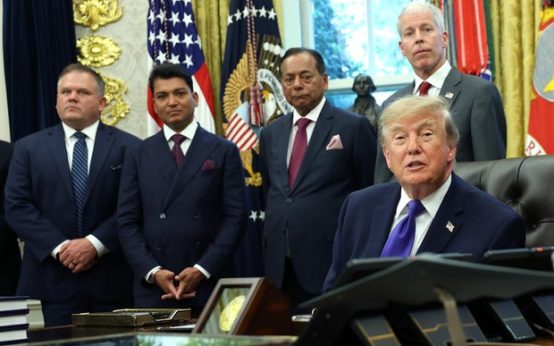 Iowa Steel Plant: Incentives and Political Maneuvering
  Strategies for Democrats Leading Up to Election Day
 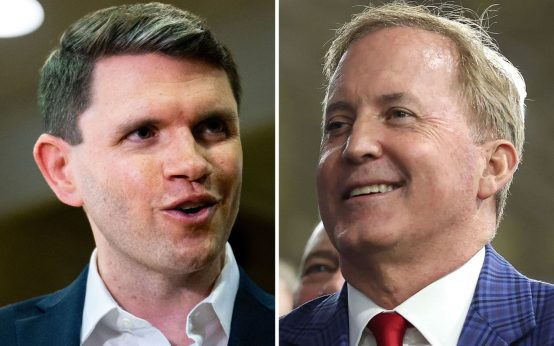 Texas Senate Race: The Impact of Trump on Ken Paxton’s Campaign
 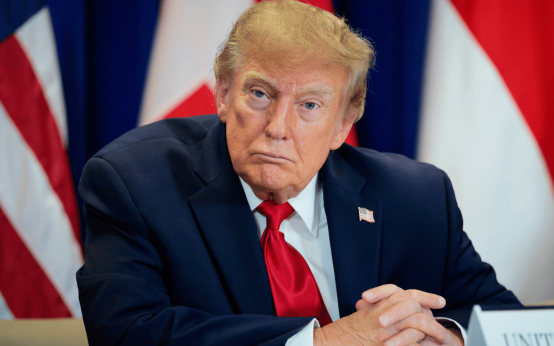 Trump’s Approval Rating Struggles Ahead of Midterms
  Texas Senate Nominee Faces Criticism Over Use of Christian Morals
  Record Number of Native Candidates in Elections