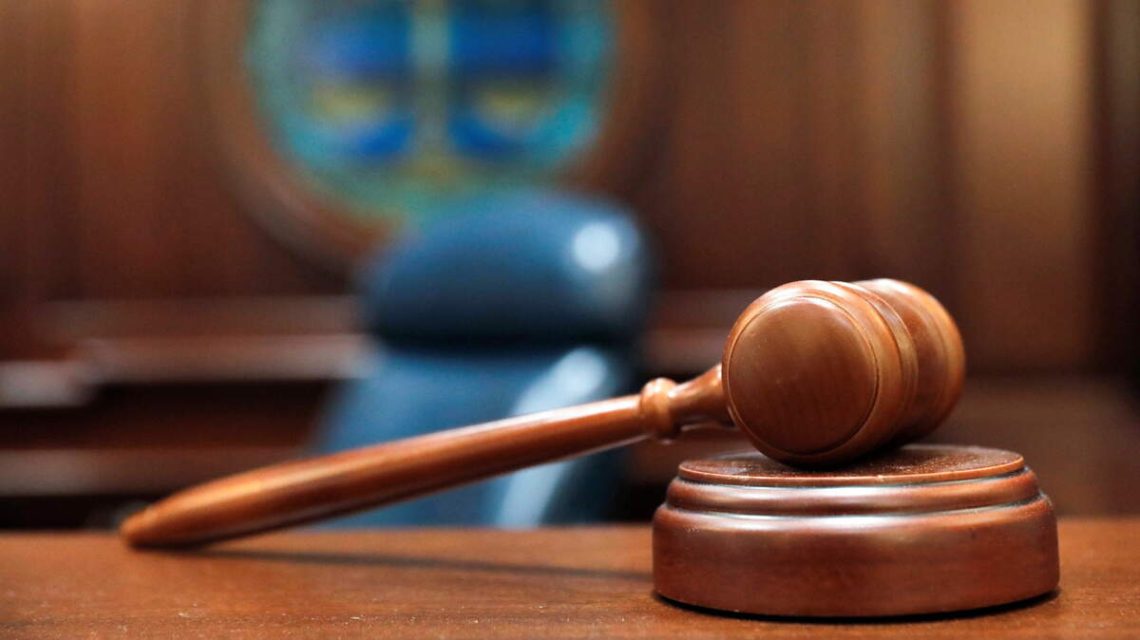
Tomás Niembro Concha, ex-CEO of Nodus International Bank, received a nine-year prison sentence for multimillion-dollar fraud and evasion of sanctions against Venezuela. The case involved siphoning millions from the Puerto Rican bank, which had a substantial Venezuelan clientele, particularly in South Florida.
Concha, a Spanish and Venezuelan national, was sentenced to 112 months in prison and three years of supervised release. Additionally, he must forfeit over $16.9 million representing profits from the conspiracy. U.S. District Judge Kathleen M. Williams delivered the sentence in Florida’s Southern District.
Nodus, founded in San Juan in 2009 and predominantly Venezuelan-run, collapsed in 2023, leaving approximately $80 million frozen in deposits. Hundreds of clients, including many South Florida Venezuelans, faced difficulties recovering their money.
The criminal case involved Miami ties, where Niembro and former Nodus Chairman Juan Francisco Ramirez misused $11 million in bank investments, channeling funds for personal loans. Both men owned Nodus Finance, a Miami company used to extract millions improperly from the bank.
On March 19, Niembro pleaded guilty to conspiracy charges related to wire fraud and the International Emergency Economic Powers Act, a statute supporting U.S. sanctions programs.
Assistant Attorney General A. Tysen Duva stated, “The defendant exploited his role at Nodus Bank for personal gain and sanctions evasion linked to a designated individual.”
Court filings revealed Niembro and associates deceived Nodus board members, executives, and Puerto Rican regulators about investments and loans benefiting them illegally.
Between 2017-2023, they misappropriated $11 million via a Miami lender for their benefit, concealing these actions as investments. Through Nodus Finance, they further extracted wealth, inducing the bank’s purchase of 47 promissory notes worth around $25.3 million.
Transactions funded personal expenses, including mortgages and credit-card bills. By March 2023, Puerto Rico’s financial regulator started liquidating Nodus, with Niembro and Ramirez accepting a loan portfolio to offset debts.
Ramirez also pleaded guilty but has yet to be sentenced, having agreed to forfeit $13.6 million. He cooperated with prosecutors, negotiating sentencing schedules.
Sanctions Evasion Scheme
Niembro’s misconduct extended to violating U.S. sanctions on Venezuela. Between 2021-2023, he facilitated illegal financial transactions with an individual designated by the Treasury Department’s OFAC for supporting Venezuela’s PDVSA oil company.
Although OFAC approved property foreclosure in Southampton, New York, Niembro brokered a prohibited resale deal through a front company.
Acting special agent Charles Miller of IRS Criminal Investigation stated, “The fraudulent scheme extended into intentions to evade sanctions safeguarding national security.”
Impact on Depositors
Nodus depositors faced long periods of uncertainty over trapped funds. The bank appealed to Venezuelans seeking financial services amid tightening U.S. sanctions. Many conventional banks withdrew services, leaving clients to rely on Nodus.
According to the Miami Herald, $80 million in deposits remained trapped by 2024, impacting Venezuelan clients globally. Lack of federal insurance exacerbated losses. Adelaida Cedeño, a Venezuelan businesswoman residing in Spain, described her experience as fraudulent, risking her trade operations.
Nodus also had a Miami presence through Nodus Finance, offering loans from Brickell Avenue headquarters. Treasury Department findings of sanctions violations triggered the bank’s financial challenges, leading to liquidation under Puerto Rican regulators.
Regulators identified dubious payments made to directors, shareholders, and affiliates, presenting conflicts and risks to Nodus’s financial position. Ultimately, shareholders lost engagement in the liquidation process, with regulators contemplating remedies for depositors.
Many depositors anticipated recovering limited sums. Attorney Carlos Calderon, representing affected Venezuelans, stated, “Account holders emerged as the main losers.”
 Dutch Review Board’s Euthanasia Ruling and International Debate
  Israeli PM Commends Heroic Actions in Flight Emergency
  Rabbi and Jewish Leaders Criticize Adam Brody for ‘Genocide’ Comment
  Flydubai’s Emergency Landing Highlights Cockpit Security
 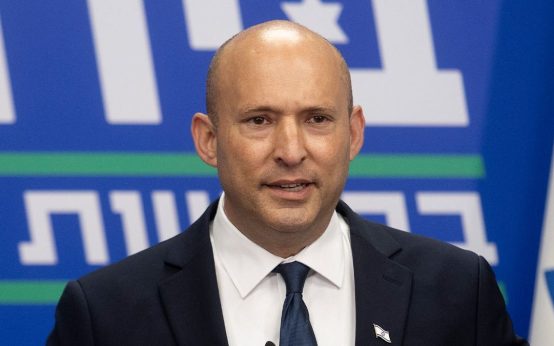 Former Israeli PM Naftali Bennett Commends Passengers and Crew for In-Flight Heroism
 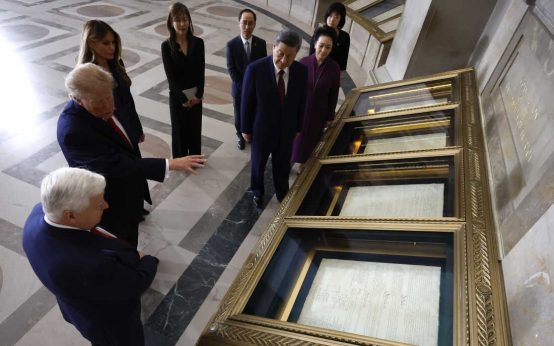 Diplomatic Complexities Unfold at U.S. National Archives Visit