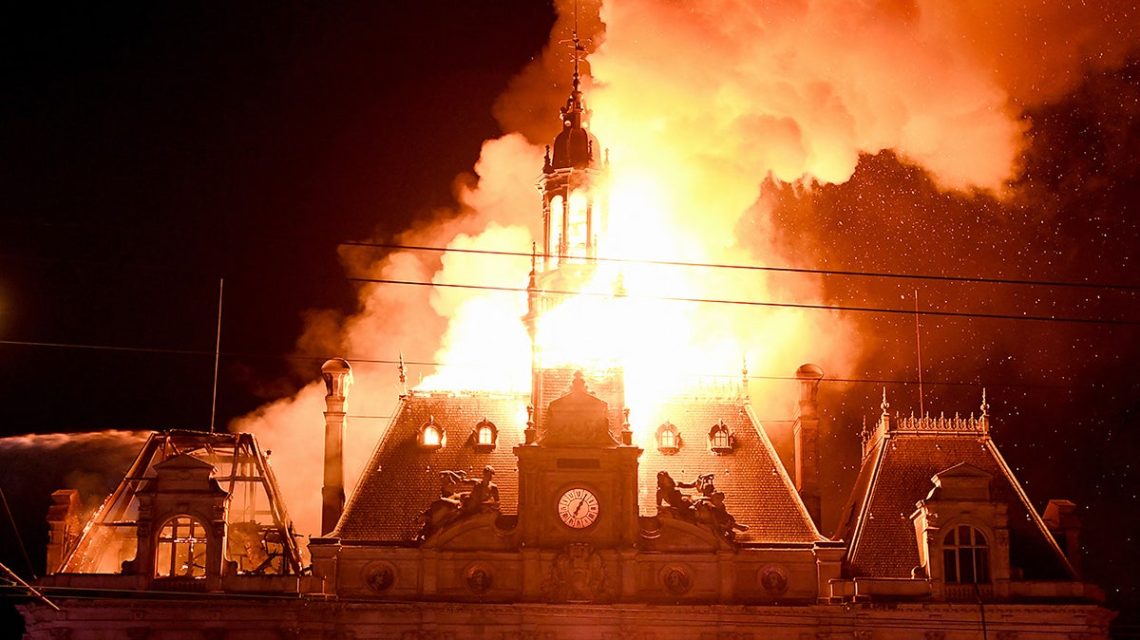
France faces scrutiny over a significant intelligence shortfall after underestimating the vast scale of protests that erupted into riots and looting nationwide. The disorder prompted President Emmanuel Macron to call for a security evaluation as officials admitted to losing control in major urban areas. Some senior officials offered to resign due to the misjudgment of the chaos level.
The Interior Ministry reported 550,000 participants in 110 marches on a single Saturday, far exceeding an intelligence forecast of 200,000 demonstrators. Organizers claimed the turnout reached 800,000. Streets saw burning cars, over 1,500 ransacked or destroyed stores, and assaults on public buildings. In Limoges, a 19th-century city hall that withstood both world wars was set ablaze, its roof collapsing in the aftermath.
By Monday, Paris’s Louvre Museum remained closed as student protesters blocked entrances, prolonging the disruption. The image of flames and destruction continues to dominate news as the situation threatens to extend into a protracted period of unrest, coinciding with an upcoming presidential election.
The protests point to various societal grievances, such as economic strain and political discontent, emerging from the ongoing high cost of living issues.
The turmoil overpowered the 60,000 police and security personnel deployed nationwide. Nearly 1,000 officers and firefighters sustained injuries, 2,400 arrests were made, and about 3,000 businesses reported damage. Crowds overwhelmed multiple flashpoints as masked rioters attacked stores, set fires, and clashed with security forces. In many areas, police struggled to prevent further looting and violence.
Interior Minister Laurent Nuñez acknowledged the state of affairs, admitting the authorities ‘lost control’ in key cities during the protests. He cited a ‘lack of anticipation’ and a failure to predict the number and aggressiveness of demonstrators. Nuñez offered his resignation, but it was refused by President Macron, who ordered a comprehensive review of the planning and intelligence strategies.
Justice Minister Gérald Darmanin noted a specific failure in managing intelligence and addressing ultra-left groups known to exploit such unrest. Warning signs hinted at escalating tensions since September, beginning with high school student protests over education issues. The movement soon involved broader groups expressing dissatisfaction with rising costs and declining services.
Intelligence officials had observed the movement’s potential to shift from educational grievances to broader societal violence. Despite early warnings, authorities were unprepared for the scale of the street confrontations.
The protests united various groups, including students, trade unionists, and former Yellow Vest participants. While the majority marched peacefully, smaller factions initiated violence, intensified by groups with distinct agendas.
The political ramifications of the upheaval have reignited debates around immigration policies. Oppositional figures, including former President Donald Trump, have criticized France’s approach, though local authorities attribute the central issues to leftist extremist manipulation rather than immigration.
Marine Le Pen’s National Rally has curated the situation to highlight perceived failures in governance and public safety under Macron’s administration, aligning with other right-wing narratives advocating for stricter policing and immigration reforms. Images of destruction emphasize Macron’s administration’s challenges as public confidence wanes.
As Macron’s presidency nears its end, leaving the 2027 election field open, his government faces pressure to address the root causes of unrest and reform policy responses. The political discourse will likely evolve around complex economic, social, and security tensions, shaping the national narrative beyond immediate cosmetic solutions.
This ongoing issue also questions the effectiveness of existing policing strategies and probes deeper into unresolved economic grievances and policies tied to immigration and integration.
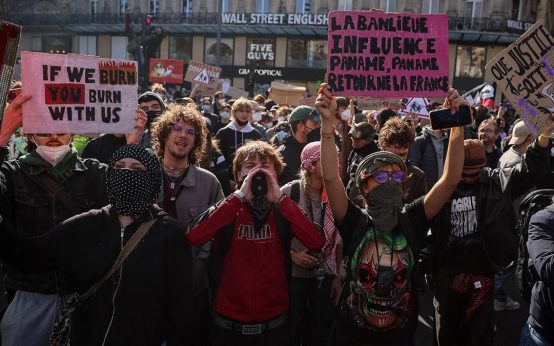 Unrest in France: Macron Blames External Factors and Faces Criticism
 Princess Diana’s Concerns for Her Sons and the New Documentary
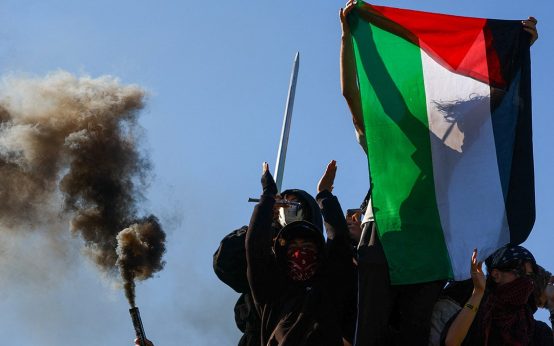 French Jews Face Concerns Amid Nationwide Unrest
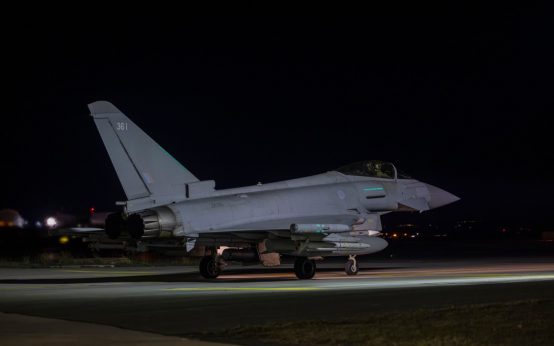 UK to Deploy RAF Jets to Saudi Arabia for Defensive Operations
 Alberta Stays in Canada After Referendum
 UK to Deploy Fighter Jets to Saudi Arabia Amid Houthi Attacks