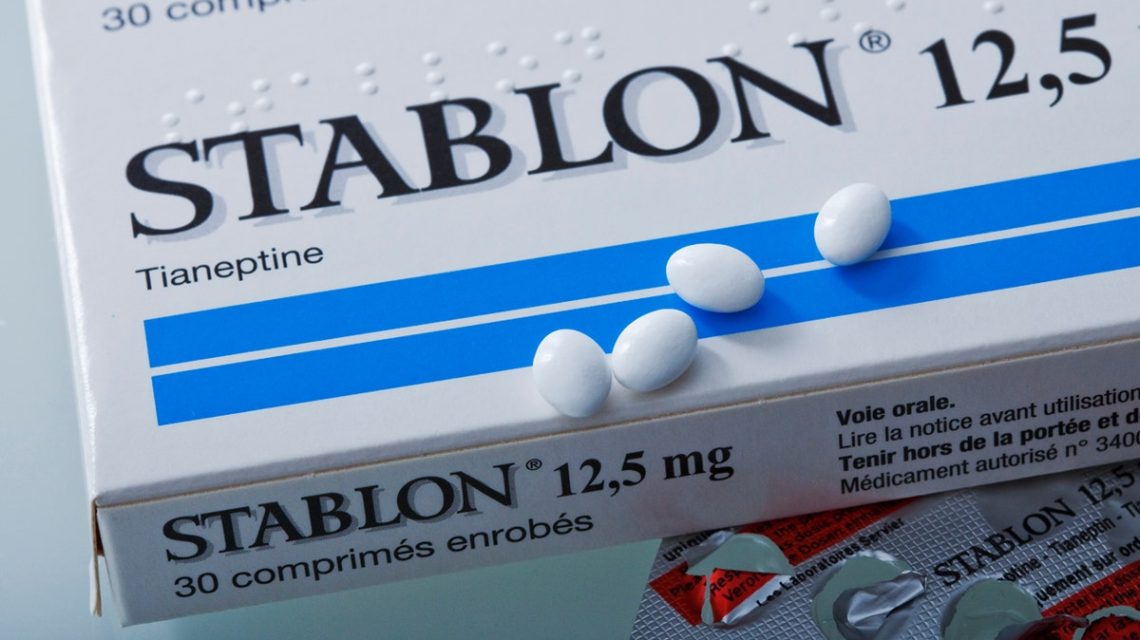
Medical experts are increasingly concerned about a substance known as “gas station heroin,” also called tianeptine. As a result, more states are acting to limit or prohibit its use. Fourteen states have categorized tianeptine, a tricyclic antidepressant, as a Schedule I controlled substance. The most recent state to impose a ban is Connecticut, effective as of Wednesday.
Tianeptine Risks
Tianeptine, when taken in higher doses, can induce euphoria. According to the U.S. Food and Drug Administration (FDA), it has the potential to be more potent than morphine and can be as addictive as opioids. Some countries have begun to restrict how this substance is prescribed or dispensed. Labels have also been updated to inform the public about its addictive properties.
The Drug Enforcement Administration (DEA) warns that misuse of tianeptine can lead to severe health issues, including respiratory depression, heavy sedation, and death. Despite this, some companies promote the drug as a remedy for pain, anxiety, depression or as a cognitive enhancer. It is available in pill, powder, salt, or liquid form.
Availability and Marketing
These products are commonly sold at convenience stores and gas stations, as well as vape shops and online. Names for tianeptine products include Tianaa, ZaZa, Neptune’s Fix, Pegasus, and TD Red.
Connecticut Lt. Gov. Susan Bysiewicz stated that reclassifying tianeptine as a controlled substance is essential in fighting addiction. She emphasized the danger of deceptive marketing, which falsely portrays the products as safe and appeals to young people with enticing flavors.
Connecticut has also added Mitragyna speciosa (kratom), 7-hydroxymitragynine, Bromazolam, Flubromazolam, Nitazenes, and Phenibut to its list of controlled substances.
Official Concerns
FDA Commissioner Martin Makary expressed worry about what he described as a “dangerous and growing health trend.” He urged public awareness about the risks posed to young Americans. Dr. Robert Schwaner from Stony Brook Emergency Medicine noted the FDA has not approved tianeptine as a dietary supplement. He warned that stimulation of mu-opioid receptors could lead to loss of respiratory function and cardiac arrest.
Dr. Schwaner advocates for nationwide regulation of tianeptine due to its addictive potential. He explained its effects on opioid receptors can lead to tolerance, dependence, and withdrawal.
Kratom and Addiction Risks
Dr. Marc Siegel, a senior medical analyst at Fox News, commented on the widespread use of kratom alongside tianeptine. He mentioned the substance’s active compound, 7-hydroxymitragynine, is considerably more potent at opioid receptors than morphine, highlighting its high addiction and overdose risk.
Despite the prevalence of these products, they are rarely tested for, even in overdose cases. Dr. Siegel stressed the necessity for tighter controls.
Fox News Digital has reached out to the FDA for comments on this matter.
 Trump Administration Distributes ACA Refund Checks
  Higher Consumption of Ultra-Processed Foods Linked to Increased Health Risks
  Understanding Inflammation: Myths and Facts
  Calm Parenting: Strategies to Manage Stress
  Trump’s Executive Order to Combat Mosquitoes and Ticks in D.C.
  Overcoming Weight Loss Challenges: Brain Health and GLP-1 Medications