A Georgia woman has become a central figure in the debate on AI-driven infrastructure expansion. Ansley Brown, from Coweta County, shared an emotional farewell to her childhood home, which is slated for demolition to make way for a new power transmission project linked to data center growth.
Brown posted on X, stating, “Today is the day we say goodbye to my childhood home. Soon to be demolished by Georgia Power for the data centers.” Along with her message, she released a video expressing her goodbye to the property after a prolonged dispute over its acquisition for a transmission project catering to increased electricity demand in Georgia.
Over the past year, Brown has become a prominent opponent of the Georgia Power project. She utilized social media to document her family’s resistance against the project and to raise awareness about its impact on rural communities.
The Data Center Battle
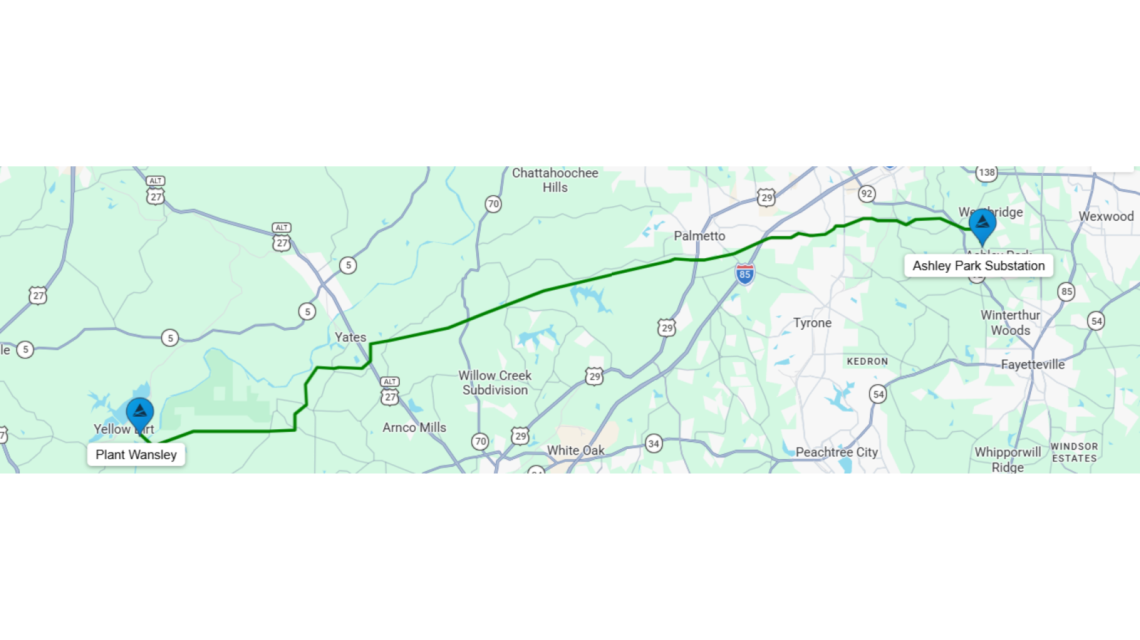
Georgia Power’s Ashley Park-Wansley 500-kilovolt transmission project involves a 35-mile line connecting the Ashley Park Substation in Fayette County and Plant Wansley in Heard County. Georgia Power argues the project is necessary to strengthen the electric grid, support reliability, and handle growing energy needs in the state.
Brown countered the project, stating it would destroy property meant to stay in her family for generations. In an interview on “Life With MTG,” hosted by Marjorie Taylor Greene, Brown expressed that the demolition would erase her family’s heritage and generational wealth. She said, “The whole point for us was generational wealth, which is the American dream. And it’s being taken from us.”
Brown’s interview brought nationwide attention to her campaign and her criticism of the use of “eminent domain” for infrastructure that benefits data centers.
What Is Eminent Domain?
Eminent domain allows governments and certain utilities to acquire private property for public purposes, provided property owners receive fair compensation. Its legal basis is in the Fifth Amendment to the U.S. Constitution, which safeguards property owners against seizure without just compensation.
Under Georgia law, electric utilities can exercise eminent domain for certain transmission-line projects, assuming they follow public notice, routing, and landowner-negotiation processes. This means utilities like Georgia Power can compel the sale of private property needed for specific projects if procedures are followed and compensation is paid.
Brown and other critics argue that infrastructure created mainly to support private-sector data centers does not qualify as a public-use project.
Georgia Power’s Response
Georgia Power has defended the project and its land acquisition efforts. The company describes the transmission line as “critical infrastructure” meant to enhance grid reliability and support the state’s evolving energy needs. The company assures that eminent domain is a last resort. A spokesperson previously told CBS News that eminent domain is “a last resort for us and it’s something we never want to do.”
According to the company’s estimates, about 70 to 80 percent of the new line’s demand will come from data center growth, while the remaining demand will serve residential and commercial customers.
For Brown, the dispute transcends financial compensation. After extensive campaigning, public meetings, and social media advocacy, her latest post signifies the conclusion of a campaign that highlighted the conflicts between AI advancements, power infrastructure growth, and property rights. She now faces the upcoming loss of her childhood home.
 Cargo Plane Crash at Miami International Airport
  Marine Veteran Suing Oregon School District Over Curriculum Reimbursement
  Tennessee Execution Halted as Issues Persist with Lethal Injection Protocol
  Trump Unveils AI-Powered America.gov Platform
  Judge Dismisses Case Against Former Olympian Over Lincoln Memorial Incident
  Minnesota Family Files Civil Rights Lawsuit Over ICE Agent Shooting